
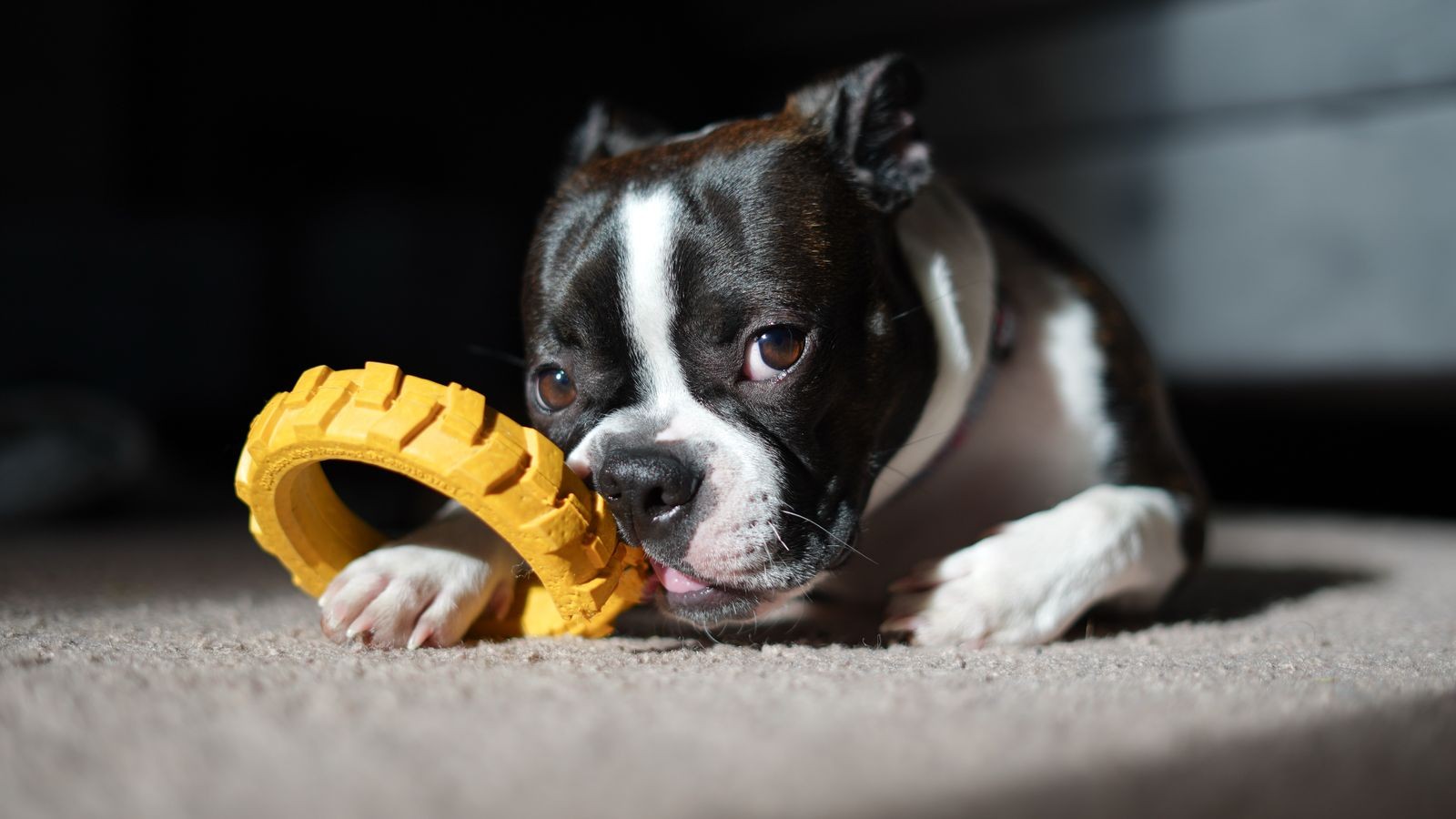
No — cooked bones should never be given to dogs, because cooking makes bones brittle and prone to splintering into sharp fragments that can cause choking or serious internal injury. Raw bones are not risk-free either, which is why many vets steer owners toward purpose-made chew and dental products sized for their dog, always offered with supervision.
Why cooked bones are so dangerous
A leftover roast chicken carcass or chop bone feels like a traditional treat, but heat changes bone structure: it dries and hardens, so instead of flexing it shatters. Sharp splinters can lodge in the throat, puncture the gut, or form a blockage needing surgery. Cooked poultry and pork bones are among the worst offenders. This applies to plate leftovers, barbecue bones, and smoked pet-shop bones too. If your dog does snatch a cooked bone, take away what you safely can without getting bitten, do not induce vomiting, and call your vet for advice, watching closely for choking, gagging, drooling, vomiting, abdominal pain, straining, or blood in stools over the following days.
What about raw bones?
Raw bones are softer, but 'less likely to splinter' is not 'safe'. They still carry bacterial risks, can fracture teeth — slab fractures from hard marrow bones are a common, painful vet presentation — and can cause obstruction if large pieces are swallowed. Marrow is also very fatty and can trigger pancreatitis in susceptible dogs. If you do discuss raw bones with your vet, size matters enormously: the bone should be appropriate to your dog, offered for short supervised periods, and removed once it is small enough to swallow or starts to break up.
Safer ways to satisfy the urge to chew
Chewing is natural, calming, and good for dental health — the goal is to channel it, not ban it. Consider:
- Dental chews accepted by veterinary dental organisations, sized for your dog's weight.
- Durable rubber chew toys designed to be stuffed with food, which keep mouths busy without hard fragments.
- Appropriately sized raw-hide alternatives and digestible chews, offered sparingly and watched for large pieces being torn off.
- Vet-recommended toothbrushing a few times a week, which does more for teeth than any chew.
Every dog chews differently: a gentle Spaniel may keep a chew for days, while a power-chewing Labrador can dismantle 'indestructible' products in minutes. Match the product to the chewer, not the packaging.
Supervision rules for any chew
Never leave a dog alone with a chew. Remove items once pieces small enough to swallow appear, or if they crack or develop sharp edges. Offer chews after a meal, separate dogs in multi-dog homes, and provide water. Puppies need softer, puppy-appropriate options, as baby teeth are fragile.
Record your vet's chew guidance where carers can find it
What your dog may and may not chew is exactly the kind of rule that gets lost between family members, dog walkers, and sitters — usually with a well-meaning bone offered as a treat. KinsLe's Pet Passport is your dog's records packet, holding vaccines, medications, allergies, and key documents in one place you can share with vets and sitters, so you can record your vet's chew guidance there and make sure everyone follows it, not just you. Pet Passport on KinsLe stores that vet-approved chew list where a walker or relative can check it before offering your dog anything to gnaw.