A heatwave does not cancel a dog's day; it rearranges it. The total exercise, company, and mental work a dog needs stay roughly the same, but the hours, the surfaces, and the intensity all change. Owners who plan the rearrangement in advance get through a hot spell calmly, while owners who improvise at noon end up with a restless dog and a frightening margin for error.
Move Walks to the Cool Ends of the Day
Walk early in the morning and again late in the evening, when air and ground have both shed the day's heat. Keep those walks a little shorter and slower than usual, choose routes with grass and shade over exposed pavement, and let the dog set a gentler pace without being hurried along. Midday becomes a toilet break only — out, done, back inside — however pleading the look at the door.
Test the ground before every walk on a hot day: hold the back of a hand flat on the asphalt for a few seconds. If the surface is too hot to keep a hand on comfortably, it is too hot for paws, so choose grass, shaded earth, or wait. Burned pads are painful, slow to heal, and entirely avoidable with that five-second check. Carry water on every outing, even short ones, offer it little and often, and plan the route so a shaded rest is never far away.
Replace Midday Exercise Indoors
A dog denied the midday walk still owns a midday's worth of energy, so spend it inside. Training games — recall down a hallway, settle practice, learning a new trick in short rounds — tire a dog mentally without raising body temperature the way running does. Sniffing games work the same way: treats hidden in boxes, a rolled towel, or around one room give the nose a long, satisfying job. Frozen stuffed toys and lick mats stretch the occupation further. Rotate two or three of these across the hottest hours and the dog ends the afternoon exercised in every way except the dangerous one.
Cooling Done Right, and the Car Rule
Cool a hot dog with cool water, not ice-cold: wet the coat through, especially the neck, chest, and belly, and set the dog in moving air from a fan or a breeze while offering drinking water in small amounts. Ice and freezing water can constrict the skin's blood vessels and slow the very cooling they are meant to speed up.
One rule has no exceptions and no conditions: a dog is never left in a parked car in warm weather, not for five minutes, not with the windows cracked, not in shade that will move. Cars heat far faster than owners expect, and this is the heatwave death that happens to careful people on ordinary errands.
Know the Emergency Signs
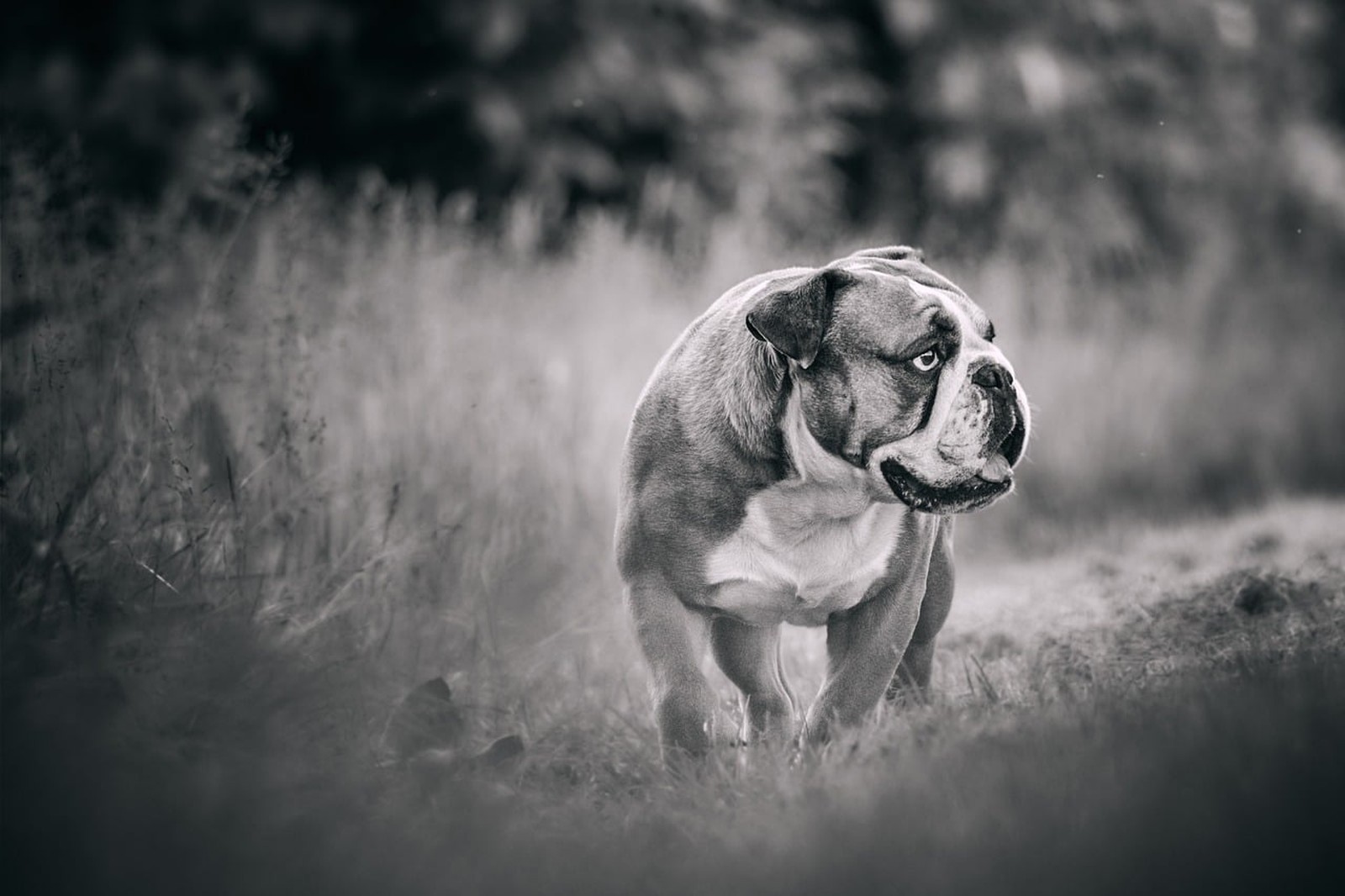
Flat-faced dogs overheat faster than longer-nosed breeds, and old, young, heavy, and thick-coated dogs all run hotter than average, so watch those dogs earliest and closest. Heavy panting that does not settle with rest, staggering, vomiting, thick ropy drool, unusual dullness, or collapse means the situation has left home care behind: begin cooling with cool water and moving air and get to an emergency veterinarian at once, calling ahead if someone can. Minutes matter more than thoroughness at that point.
Share the New Hours Explicitly
Heat rules fail when one person walks at noon out of habit while another assumes the morning walk already happened. Care Teams on KinsLe lets the household write the heatwave version down: Maya takes the early walk and the pavement test, Jordan covers the late outing, and the midday indoor game is named on the plan rather than left to chance. Completed tasks are marked with a timestamp, so the dog is neither double-walked in the heat nor quietly missed.
Care Teams holds the heatwave version of the day together inside KinsLe, so whoever is home can see which shaded outing and indoor game already happened.