
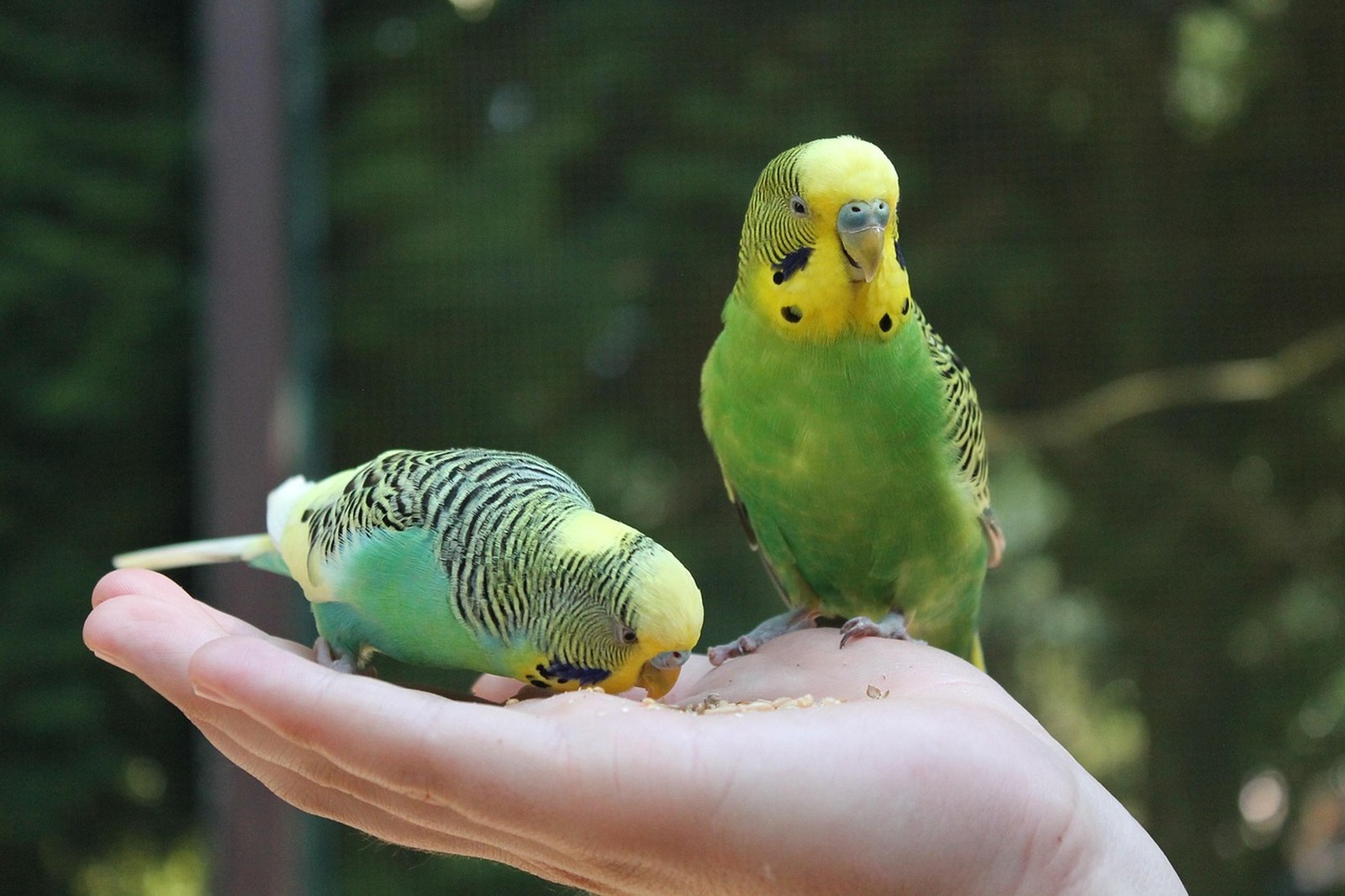
Most hand-shy budgies are not untameable; they are well taught. Somewhere in their past, a hand chased them around a cage, grabbed them for an inspection, or loomed in from above like a predator, and the lesson stuck. Taming a bird like this is a trust-rebuilding exercise measured in weeks, and its first rule runs against every instinct you have: do less with your hands, not more.
Stage One: Become Safe Furniture
For the first several days, keep your hands out of the cage beyond the essentials of food and water changes, done slowly. Sit beside the cage reading or talking in a relaxed voice, at or below the bird's eye level where you can, and let your budgie learn that your presence predicts nothing scary and nothing demanding. Watch for softening signals — eating while you are near, preening, beak grinding, relaxed fluff — before moving on. A budgie that still presses itself to the far bars, pants, or freezes is telling you stage one is not finished, and pushing ahead now costs you more time than patience does.
Stage Two: Let the Budgie Close the Distance
Millet spray is the classic budgie bribe because birds can nibble the far end while keeping their own safe distance. Hold a spray at the open cage door, hand still, and wait. Do not inch it toward the bird, and do not follow when the bird retreats — the retreat must work, or the approach means nothing. At first, reward even a lean toward the millet by leaving the spray where the bird can reach it and withdrawing your hand. Over sessions across days, shorten the spray or move your grip closer to the eating end, so your hand and the good experience gradually become the same picture. Five calm minutes twice a day beats one long session that ends in panic.
Stage Three: A Perch Before a Finger
When your budgie eats millet near your hand without alarm, introduce a handheld perch or spare dowel and teach step-up onto that first, presented gently at lower belly height with a soft cue. A perch carries no history of grabbing and keeps your fingers out of the trust equation while the bird learns that stepping up leads to millet and a safe ride back. Only when perch step-ups are relaxed and routine should you offer a steady finger in the same way — and never wrap a hand around the bird, chase it to make it step up, or grab it to end a session. Ending every session with the bird choosing to return to the cage keeps tomorrow's session welcome.
Wing-clipped or previously grabbed birds, and older budgies rehomed after years in an aviary, may take considerably longer than a young hand-raised bird, and some individuals plateau at "happy to take treats and ride a perch" rather than enjoying handling. That is a perfectly good outcome for the bird. If fear is paired with weight loss, discharge, or laboured breathing, an avian veterinarian comes before any taming plan, since a sick bird's withdrawal is not a behaviour problem.
Short, identical, unhurried sessions from everyone in the home are what rebuild trust fastest, and KinsLe Care Teams lets you assign each day's sitting and millet sessions to different family members, each marked complete so the budgie never gets three eager trainers in one afternoon.