
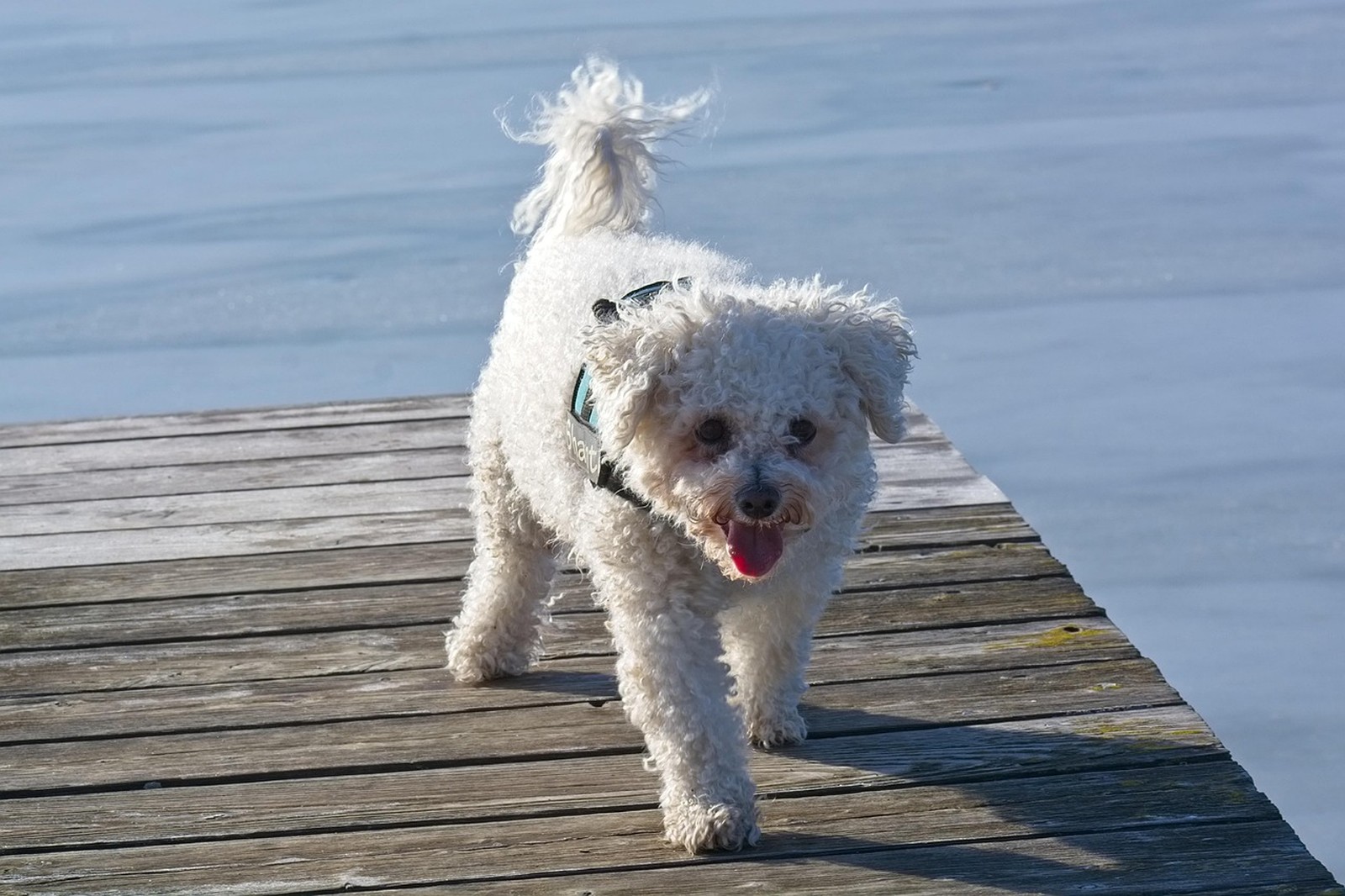
The Coat Sets the Monthly Budget
With a Bichon Frise, the monthly cost conversation starts and ends with the coat. That powder-puff look is not natural and it is not low maintenance. The curly double coat grows continuously, traps loose hair instead of shedding it, and mats quickly, especially in the armpits, behind the ears, around the collar, and anywhere a harness rubs. Keeping a Bichon comfortable means professional grooming on a steady cycle, and that appointment is the anchor expense of most months.
Food, by contrast, is one of the smallest lines. A Bichon is a little dog with a modest appetite, so even a good-quality diet costs far less than feeding a large breed. The mistake new owners make is averaging the two and assuming the whole dog is cheap to run.
Grooming Costs Between Salon Visits
The salon bill is only part of it. Between appointments you will use a slicker brush, a steel comb, detangling spray, and tear-stain wipes, and you will spend short daily sessions brushing down to the skin. Skip them and the next groom becomes a shave-down, which costs the look owners wanted and can cost more in dematting time before the groomer gives up on the coat.
Bathing a white dog is also more frequent than with most breeds. Mud, grass stains, and food discolouration show immediately, so many owners pay for interim baths or do them at home with proper drying, because a Bichon left damp mats faster. Ear care belongs in the same routine, since hair grows in the ear canal and the breed is prone to ear irritation when grooming slips.
Health and Dental Lines to Expect
Bichons are generally sturdy and long-lived, which spreads costs over many years but also means senior care eventually joins the budget. The recurring items most owners notice are dental and skin related. Small mouths crowd teeth, so dental chews, brushing, and periodic professional dental care under veterinary supervision are realistic monthly provisions rather than surprises. Skin sensitivities and allergies are common enough in the breed that some owners face ongoing food trials and veterinary skin checks.
Eyes need watching too. Tear staining is cosmetic, but blocked tear ducts, irritation, or a sudden change in discharge are worth a veterinary look rather than another cosmetic wipe. Bladder stones are a known breed issue, so straining, frequent small urinations, or blood in urine should always trigger a prompt vet visit.
Doing the Maths Honestly
A realistic Bichon month therefore looks like this in shape, if not in exact figures: a modest food line, a substantial and non-negotiable grooming line, a small daily-care spend on brushes and wipes, and a steady health reserve weighted towards teeth and skin. Training and boarding are comparatively light, although a Bichon that hates being left alone may need day care or a sitter more often than independent breeds.
The owners who feel Bichon costs are fair are the ones who priced the grooming first and chose the breed with open eyes, and many start by comparing nearby salons through KinsLe's Pet Services Directory, favouring specialists who maintain coats like this one every day.