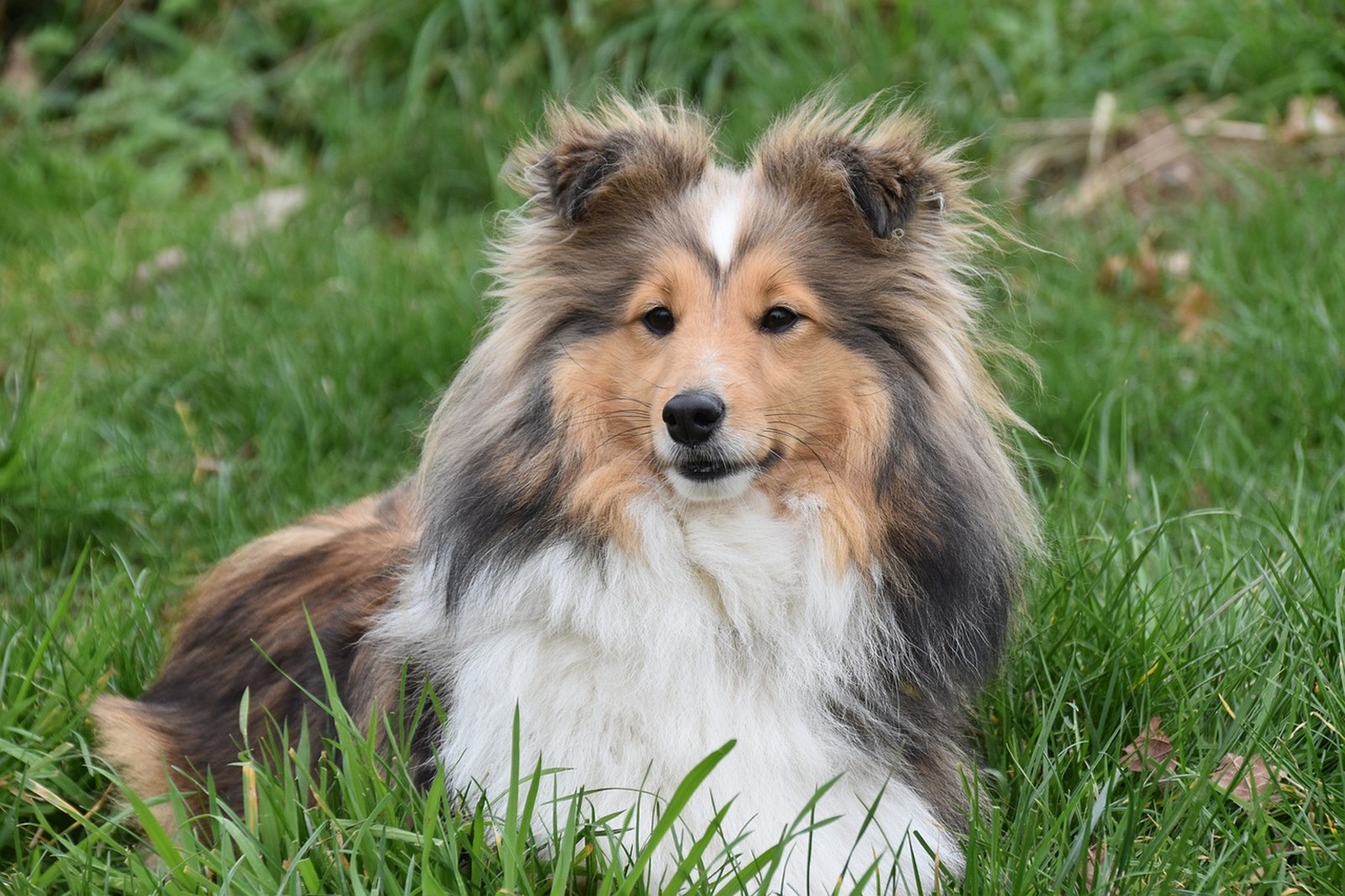
The Sheltie month at a glance
A Shetland Sheepdog is a moderate monthly cost, and its budget has a gentle shape: nothing is extreme, but several things are non-negotiable. The breed is small-to-medium, so food and standard veterinary bands stay kind, yet that glorious rough coat demands a weekly time investment, the herding brain demands occupation, and the Sheltie's sensitive temperament means services must be chosen for kindness as much as price. Owners who enjoy routine tend to find Shelties very manageable, because most of the spend is predictable and much of the coat cost can be paid in time rather than money, provided the time is genuinely given every week.
The double coat: time or money, weekly
A Sheltie's coat is two coats: a dense, soft undercoat beneath long, straight guard hairs, and it sheds seasonally in quantities that surprise first-time owners. The standing rule of the breed is thorough brushing to the skin on a weekly rhythm, working through the thick ruff, trousers and behind-ear softness where mats begin. Skip weeks and the undercoat felts, at which point the bill arrives as professional dematting or a clipped-down coat and uncomfortable skin. Owners who brush at home keep grooming spending low, needing only occasional bathing and tidying, while those who outsource should budget regular appointments and still expect blitzes of home brushing during the seasonal coat blow.
Food, activity and the herding mind
Feeding a Sheltie is inexpensive by volume, though the breed gains weight readily when exercise dips, so measured meals and modest treats protect both waistline and budget. The activity line deserves more imagination than money: Shelties are among the brightest of breeds, historically prized for thinking independently on remote Scottish farms, and they flourish with training, agility, herding games and trick work. Classes and occasional sport entries feature in many Sheltie budgets, and they are money well spent, because an under-occupied Sheltie often becomes a barking Sheltie, and barking is the breed's commonest friction with neighbours. Sensitive by nature, they also respond badly to harsh handling, so choosing gentle trainers and sitters is a quality decision before it is a price one.
Health records and breed sensitivities
Routine veterinary care for a Sheltie covers check-ups, vaccinations, parasite prevention and dental care, with small-breed teeth worth the usual saving habit. Sheltie owners also learn to keep unusually good notes: the breed is known for sensitivities to certain common treatments that vets screen for and record, and eye and thyroid checks form part of breed health conversations, so a Sheltie's paperwork genuinely matters across its lifetime. Any change of vet, groomer or boarder goes better when that history travels complete, and gaps in it can mean repeated tests, repeated costs and slower decisions in a stressful moment.
Predictable spending, carefully kept
The Sheltie budget rewards the organised owner: brushing on schedule so groomers stay occasional, training woven into daily life, weight watched, and medical history kept complete and portable rather than scattered across practices and memory. KinsLe's Pet Passport is designed for exactly that habit, gathering your Shetland Sheepdog's records into one packet that is ready for a vet visit, a groomer or a boarding handoff whenever the month calls for one.