
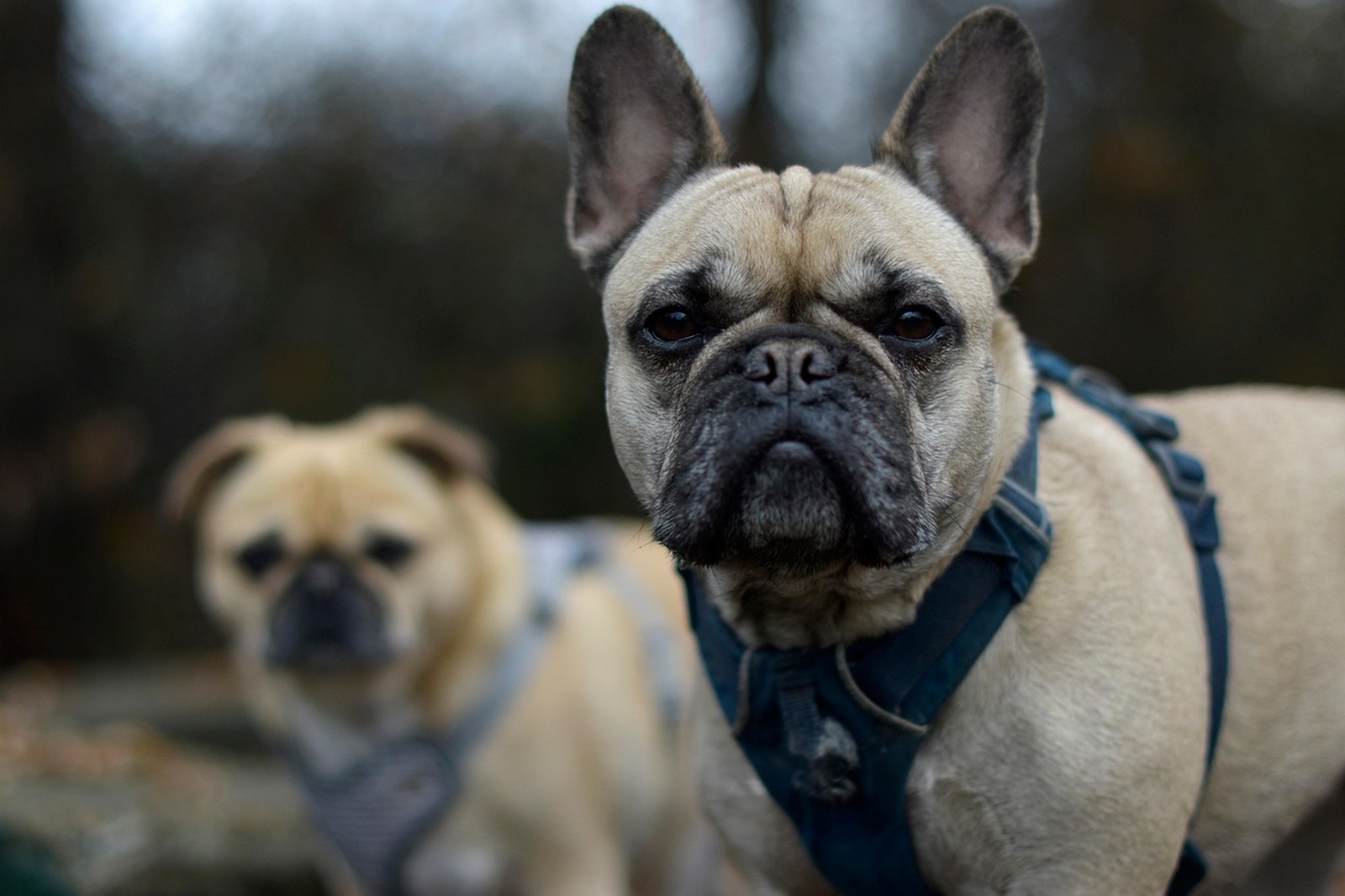
Most healthy adult French Bulldogs do well on 30 to 60 minutes of exercise a day, and the split matters as much as the total: two or three outings of 10 to 25 minutes suit this breed far better than a single hour-long hike. Frenchies were bred as companions, not athletes, and their short muzzles make every breath harder work. A Frenchie who gets the right amount settles calmly at home; one who is pushed too far may take hours to recover.
Why Short and Easy Beats Long and Fast
A flat face narrows the airways, so a French Bulldog cannot cool down by panting as efficiently as a longer-nosed dog. That makes overexertion a genuine safety issue rather than a fitness question. Keep walks at a pace where your dog breathes comfortably and can still pay attention to you. Build play into the day in small doses instead: a few minutes of gentle tug or a slow sniff around the garden counts fully toward the total, and sniffing tires a Frenchie mentally without stressing its breathing. Pavement plodding is rarely what this breed needs most.
Reading the Stop Signals
End the session, move into shade, and offer water if you notice loud, harsh panting, a wide flat tongue, drooling that thickens, wobbling, or a dog who plants its feet and refuses to continue. In warm or humid weather, walk early in the morning and after sunset, choose grass and shade over hot pavement, and skip the outing entirely on very hot days in favour of indoor play and toilet breaks. A cooling rest is never a failed walk; with this breed, stopping early is the skill that keeps exercise safe all summer.
Puppies, Seniors, and Heavier Dogs
Frenchie puppies need short, frequent play rather than structured walks, and their growing joints should not be marched up and down stairs or encouraged to jump off furniture. Seniors and dogs carrying extra weight usually manage the lower end of the range, split into even shorter trips, and weight itself makes breathing harder, so a vet-guided slimming plan often improves exercise tolerance more than extra walking would. Any Frenchie whose breathing sounds worse than usual at rest should see a vet before you increase activity. Splitting those daily outings across the household is where KinsLe's Care Teams earns its place: walks can be assigned to different family members and marked complete with a timestamp, so your Frenchie gets every session it needs and never one too many.