
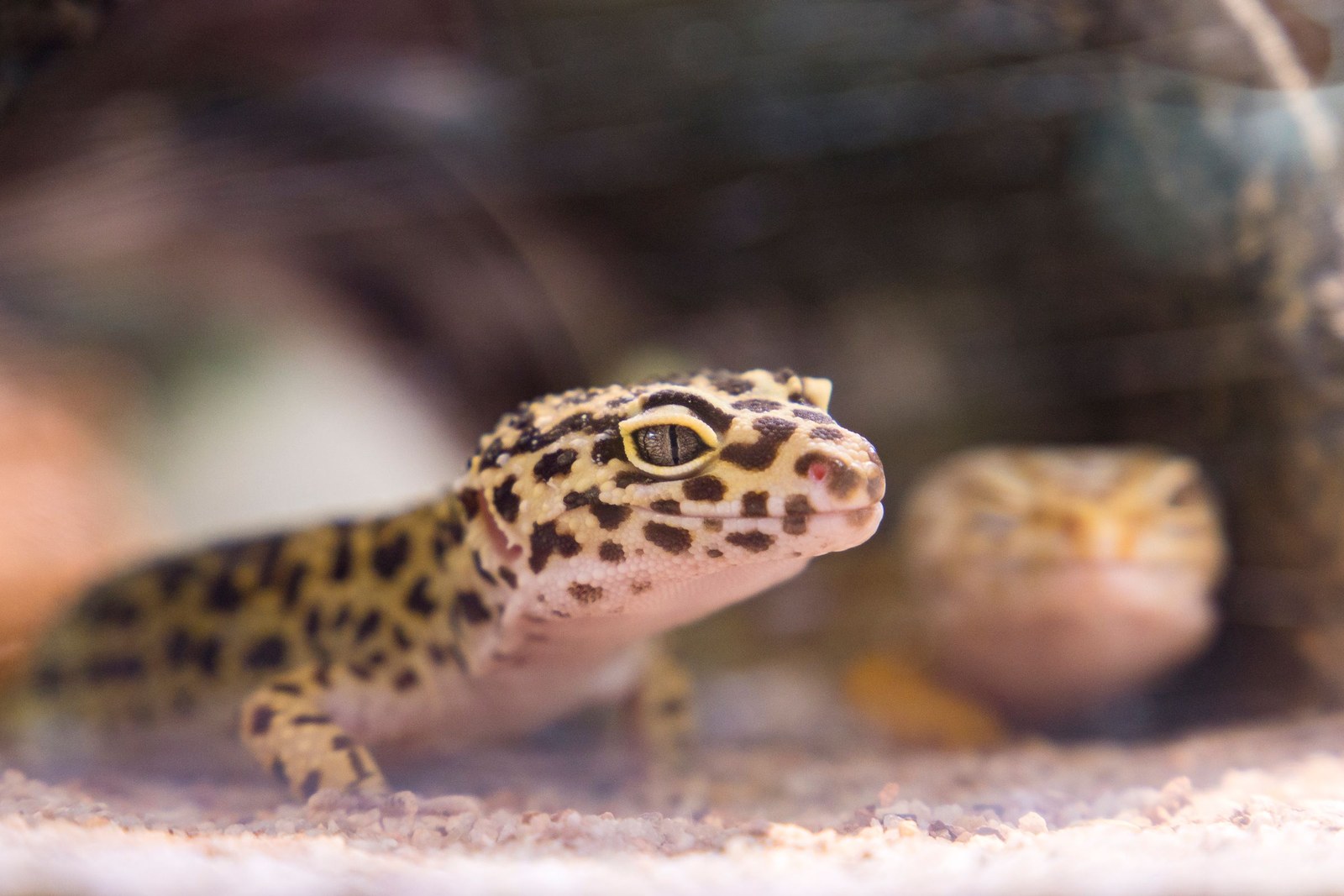
Feeding frequency in leopard geckos is set by age: the young eat daily, and healthy adults thrive on alternate days or a few meals each week. At each feeding, offer as many appropriately sized insects as your gecko will hunt in about ten to fifteen minutes, then remove the leftovers. Because these geckos store fat in their tails, body condition is your best gauge for fine-tuning the schedule between those guideposts.
Babies and juveniles: daily fuel for growth
Hatchlings and young geckos are building bone, muscle, and their first fat reserves, so offer food daily — small crickets, tiny dubia roaches, or small mealworms sized no longer than the width of the gecko's head. A baby that eats five to ten small insects in a sitting is doing fine. Around six months, as growth slows, most keepers shift to every other day and watch the tail: plump and smooth is the goal, never balloon-like.
Adults: a few solid meals a week
A mature leopard gecko — a year old and up — typically eats every other day or on a Monday-Wednesday-Friday rhythm. Offer a varied menu across the week: crickets and dubia roaches as staples, black soldier fly larvae for calcium, and hornworms or silkworms as occasional treats. Waxworms are gecko junk food — fine rarely, but some geckos get hooked and start refusing healthier feeders, so keep them scarce.
Reading the tail and the scales
The tail tells the truth. It should be thick and fleshy — the widest part close to the body's width — without bulging like a sausage or shrinking to a thin point. Pits of fat behind the front legs, sometimes called "bubbles," mean portions or frequency should come down. A thinning tail on an adult that is still eating warrants a vet visit, since parasites and illness can hide behind a normal appetite. Weighing monthly helps you spot the trend early.
Feeding-time details that matter
- Feed at dusk, when leopard geckos naturally wake up and hunt.
- Dust insects with calcium and rotate a multivitamin as part of the routine.
- Use tongs or a steep-sided dish for worms so feeders don't scatter and hide.
- Remove uneaten crickets after the session; loose crickets can bite a sleeping gecko.
- Keep fresh water available at all times, even though many geckos drink droplets more than bowl water.
When feeding turns rotate at home
An every-other-day rhythm is exactly the kind of schedule that gets muddled between partners, kids, and pet sitters — "did anyone feed the gecko tonight?" A shared household note of the last feeding can settle that question, so meals stay consistent no matter who is home. The relatives you pick can open the profile kept for this gecko after it has been shared through KinsLe Family Sharing.