
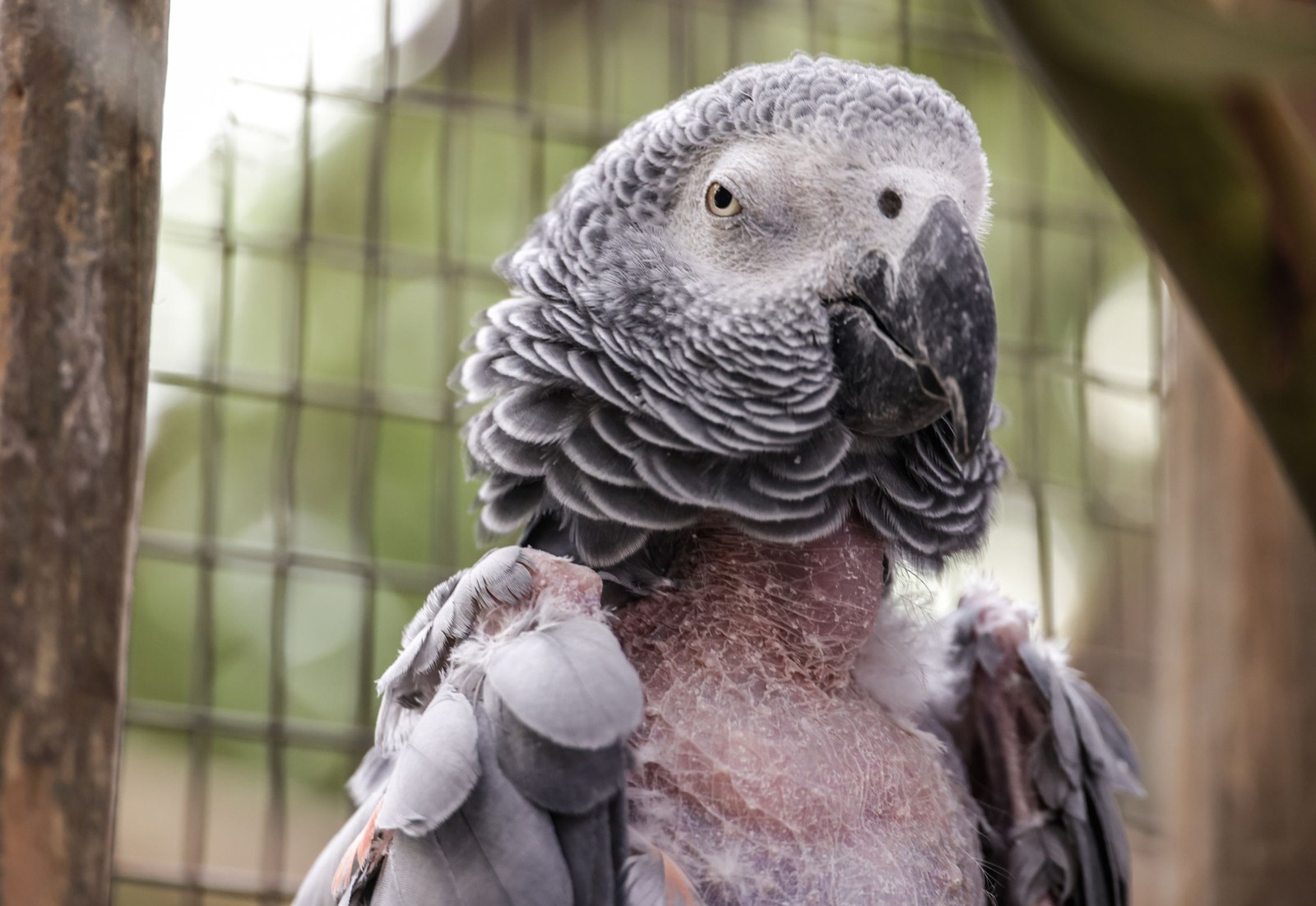
If your parrot is plucking, barbering, or damaging its feathers, the first step is an appointment with an avian veterinarian — not a spray, supplement, or collar bought online. Feather plucking is a symptom, not a diagnosis, and it can have medical, nutritional, environmental, and behavioral roots, sometimes several at once. Owners who start with the vet save time, money, and feathers; owners who guess often watch the habit become entrenched while a treatable cause goes unexamined.
What Your Vet Will Be Looking For
A thorough workup may include a physical exam, weight check, bloodwork, and questions about diet, sleep, bathing, humidity, and household routines, because many different problems can surface in the feathers. Skin and feather issues, nutritional gaps from a mostly-seed diet, low humidity, smoke or aerosol exposure, boredom, anxiety, and hormonal triggers are all on the list of possibilities your vet may explore. Only your veterinarian can sort out which apply to your bird, and they may suggest changes to diet, sleep, enrichment, or humidity based on what they find — follow that plan rather than improvising your own.
Your Job: Become a Pattern Detective
Between booking and the appointment, start a simple log. Note when plucking happens — during alone time, at bedtime, after visitors, during certain seasons — and what your bird was doing before it started. Photograph the pattern of feather damage weekly from the same angles. Record diet honestly, including treats and table food, plus sleep hours, shower frequency, and any new products used near the cage, from candles to cleaning sprays. African greys, cockatoos, and eclectus parrots are among the species commonly seen for this, but any parrot can pluck, and your notes help the vet separate habit from trigger.
Home Changes That Support Recovery
While the medical work proceeds, strengthen the basics your vet is likely to endorse: ten to twelve hours of uninterrupted sleep in a quiet, dark space; daily foraging opportunities so meals take effort; regular misting or shower opportunities if your bird enjoys them; and toys for shredding — balsa, cork, paper — that give the beak a legal job. Keep the air clean: no smoking, scented candles, or aerosol sprays around birds, whose respiratory systems are exceptionally sensitive. Above all, avoid scolding or making a fuss when you see plucking; attention can reinforce it, and punishment adds stress to a bird that is already struggling.
What Not to Do
Do not apply bitter sprays, oils, or home remedies to feathers without your vet's direction, and do not fit a collar unless your veterinarian recommends one — collars have real risks and specific uses. Do not wait months hoping it resolves on its own; the longer plucking continues, the more it can become a self-soothing habit that persists even after the original trigger is treated. And do not accept a single quick answer if things are not improving — follow-up visits and adjustments are a normal part of working through this problem.
How KinsLe Helps
A plucking case is a story told across months, and KinsLe's Pet Passport is designed to hold that story in one place: it is your parrot's records packet — vaccines, medications, allergies, and documents — that you can share directly with vets and sitters. Add your behavior notes, diet history, and weight log, and your vet starts each visit with the full picture instead of fragments. Pet Passport on KinsLe holds that behavior log beside diet history and weight entries, giving your avian vet a checkable plucking record across months.