
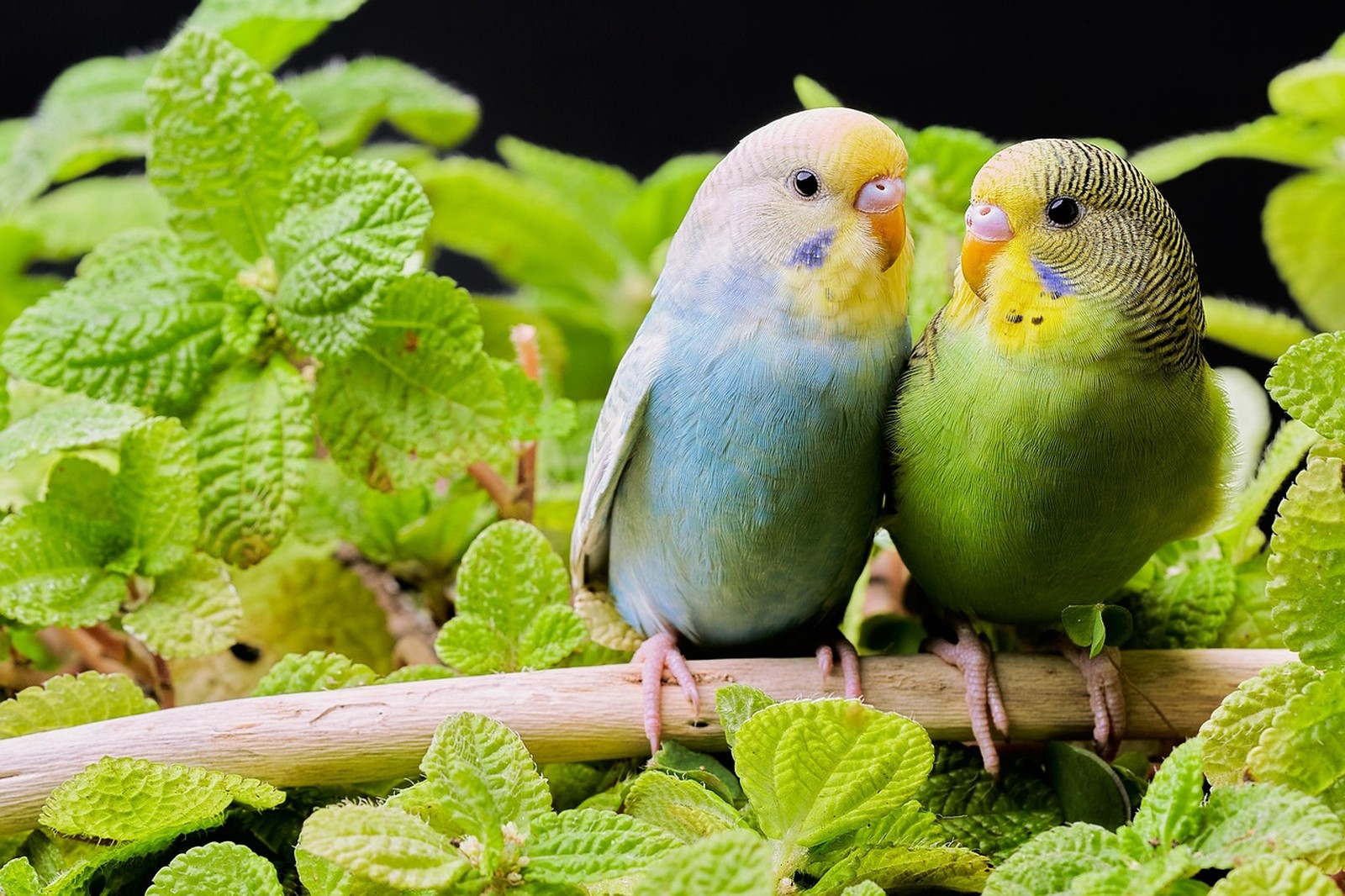
The choice is really between two kinds of companionship. Budgies evolved in flocks that number in the thousands, and company is not entertainment for them — it is a basic need, like food. A pair meets that need between themselves; a single budgie meets it through you, entirely. Neither arrangement is wrong, but they ask very different things of your household, and the bird pays for it when the ask is not met.
The Single Budgie: Deep Bond, Real Time Debt
A lone budgie, handled gently and often, frequently becomes the tamest and most bonded of pets. With no bird companion, your voice is the flock's voice, and singles are the budgies most likely to learn words and phrases, ride a shoulder for hours, and treat their person as the centre of the world. The cost is measured in hours, every day, for a lifespan that can run past a decade: a single budgie left alone through a working day, day after day, is a lonely animal, and loneliness in budgies shows — persistent screaming for the flock, feather plucking, loss of interest in toys and food, a bird who sits fluffed and silent. If your household genuinely has people home and engaged most of the day, a single can thrive; if the honest diary says otherwise, the kind choice is a pair.
Two Budgies: Company Built In
Two budgies entertain, reassure, and occupy each other in ways no toy replicates — the dawn chatter is between themselves, play is social, and a nervous bird calms by watching a relaxed one eat and explore. Owners sometimes fear a pair will want nothing to do with them, and that fear is overstated: the bond to you may be a shade less exclusive, but birds hand-tamed individually, with daily one-to-one time out of the cage for each, stay friendly and handleable while keeping their friendship. Two males, or a male and a female, usually settle well; two females can be more quarrelsome over perches and space, so give any pair a roomy cage with doubled food and water stations so nothing needs defending. Costs and noise rise — more seed husks, more chatter, two sets of vet bills — but not by the leap owners imagine.
Introductions and Housing a Pair
If you start with one and add a second later, do it properly. Keep the newcomer in a separate cage in another room for a quarantine stretch first, watching appetite and droppings, then move the cages side by side so the birds can call and study each other. First meetings happen out of the cage on neutral ground — a play stand, not inside the resident bird's territory — and only when those meetings stay relaxed do the birds share a cage, with duplicate bowls placed apart. Watch the first days for one bird guarding food or chasing the other off every perch; persistent bullying means separate cages side by side, which still gives both birds flock company through the bars.
Which Fits Your Actual Day
Write your real weekday down and choose against it, not against your intentions. Long empty hours argue firmly for two; a home-working owner who wants a close, talkative companion can honour a single bird's needs — provided cover exists for holidays and busy spells, because the debt is daily. Whichever you choose, the care is a rota, not a solo act: KinsLe's Care Teams lets the household split budgie duties — morning uncover and fresh food, the evening social hour, cage cleaning — with each task assigned and timestamped, so your bird's company and care never rest on one person's memory.