
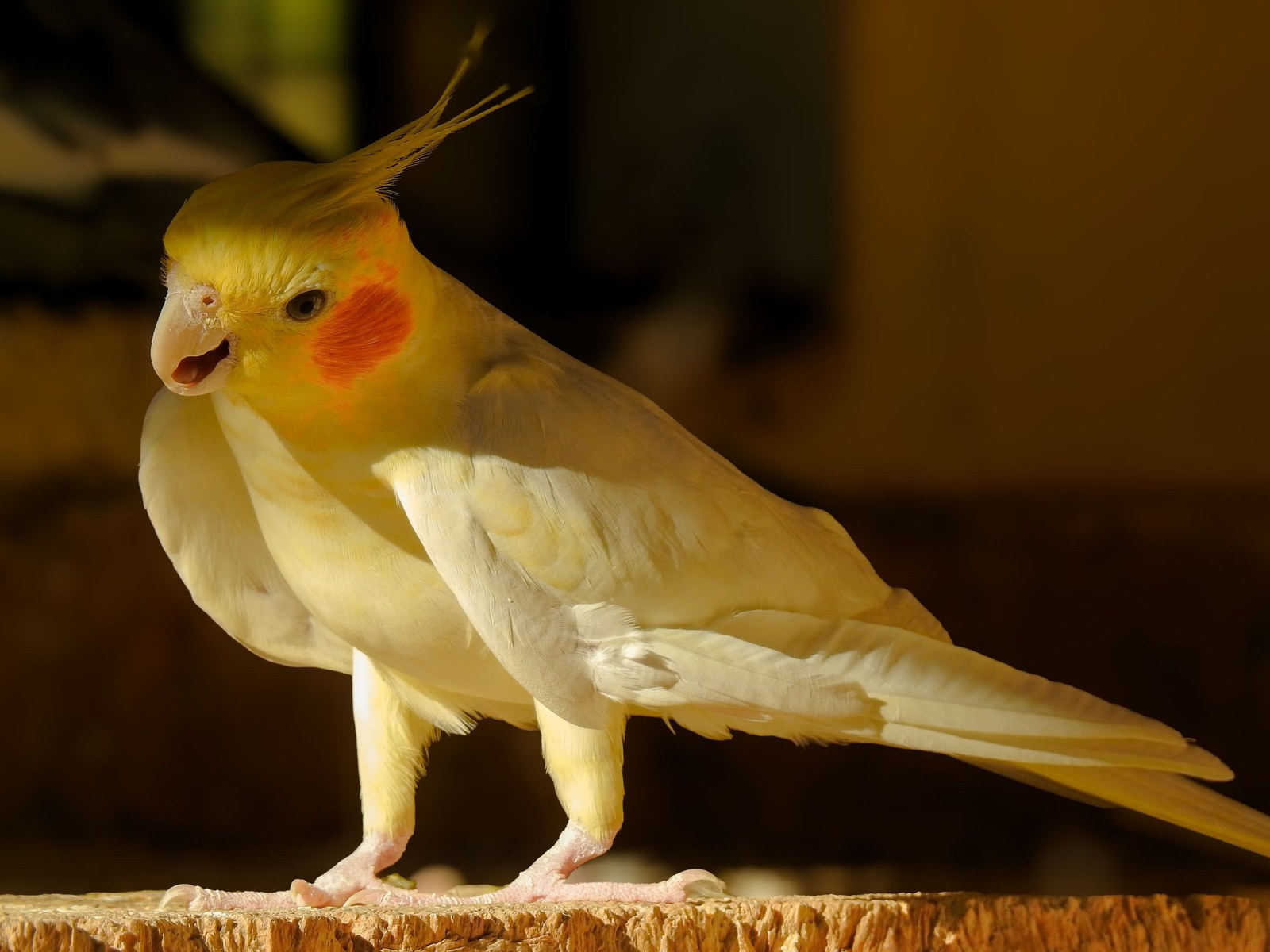
Night frights are sudden episodes of panicked thrashing inside the cage after dark: a sleeping cockatiel startles, launches blindly into the bars, and flaps frantically until it exhausts itself or you turn on the lights. They are commonly triggered by a shadow crossing the cage, a headlight sweep, a noise, or even a small disturbance like another pet moving nearby. They matter because a frightened bird can break blood feathers, injure a wing, or lose tail feathers in seconds — so prevention and a calm response are both essential.
Why Cockatiels Are Prone to Them
Cockatiels are ground-feeding prey birds from open Australian country, wired to explode into flight at the first hint of a predator, and that hair-trigger instinct does not switch off in a living room. Their excellent low-light sensitivity means faint moving shadows register clearly. Young birds and lutino cockatiels are often reported as especially flighty at night, but any individual can develop frights after a real scare — an earthquake tremor, a falling object, a cat brushing the cage — teaches it that darkness is dangerous. Once sensitized, smaller and smaller triggers can set off the same full panic.
Making the Night Safer
A small night light near the cage is the single most effective change for many birds: it provides enough light for a startled cockatiel to orient and land instead of crashing blindly. Keep the sleeping spot consistent — a quiet corner away from windows where headlights sweep, televisions flicker, or doors open suddenly. Some owners use a smaller sleep cage with less room for dangerous momentum and no hanging toys to collide with. A consistent cover routine helps many birds, though a partial cover that lets night-light glow in works better for fright-prone individuals than total blackout darkness.
What to Do During and After a Fright
When a fright happens, turn on a soft light and speak calmly before approaching; sudden hands into a dark cage add terror. Let your bird settle on its own — most stop thrashing once they can see. Then check carefully for damage: a broken blood feather that is actively bleeding needs prompt attention and veterinary guidance, because a broken blood feather can bleed significantly. Note limping, drooping wings, or reluctance to fly the next day, and call your avian vet if anything seems off. Do not punish or scold; your bird panicked, it did not misbehave.
Building Calmer Nights Over Time
Review your bird's whole evening: screen time for the household, a predictable wind-down, and ten to twelve hours of sleep in the darkened, quiet sleep area all support steadier rest. Keep nocturnal pets out of the bird room, secure the cage against accidental bumps, and remove anything that casts moving shadows across it, like a swaying plant in a hallway light. If frights are frequent despite changes, mention them at your next vet visit — pain, vision changes, and other health issues can lower a bird's startle threshold, and frequency is useful information.
How KinsLe Helps
Night-fright prevention is mostly routine — the same calming bedtime sequence, lights dimmed, cover placed, night light on, at the same time every evening. When questions about holding that routine arise — whether a partial cover suits a fright-prone bird better, what to adjust after a fright despite the night light, or when frequent episodes deserve a vet visit — bring them to Kimmy in KinsLe as they come up. Kimmy responds when owners raise further questions in KinsLe on settling a cockatiel after dark, offering replies from the library behind KinsLe Answers.