
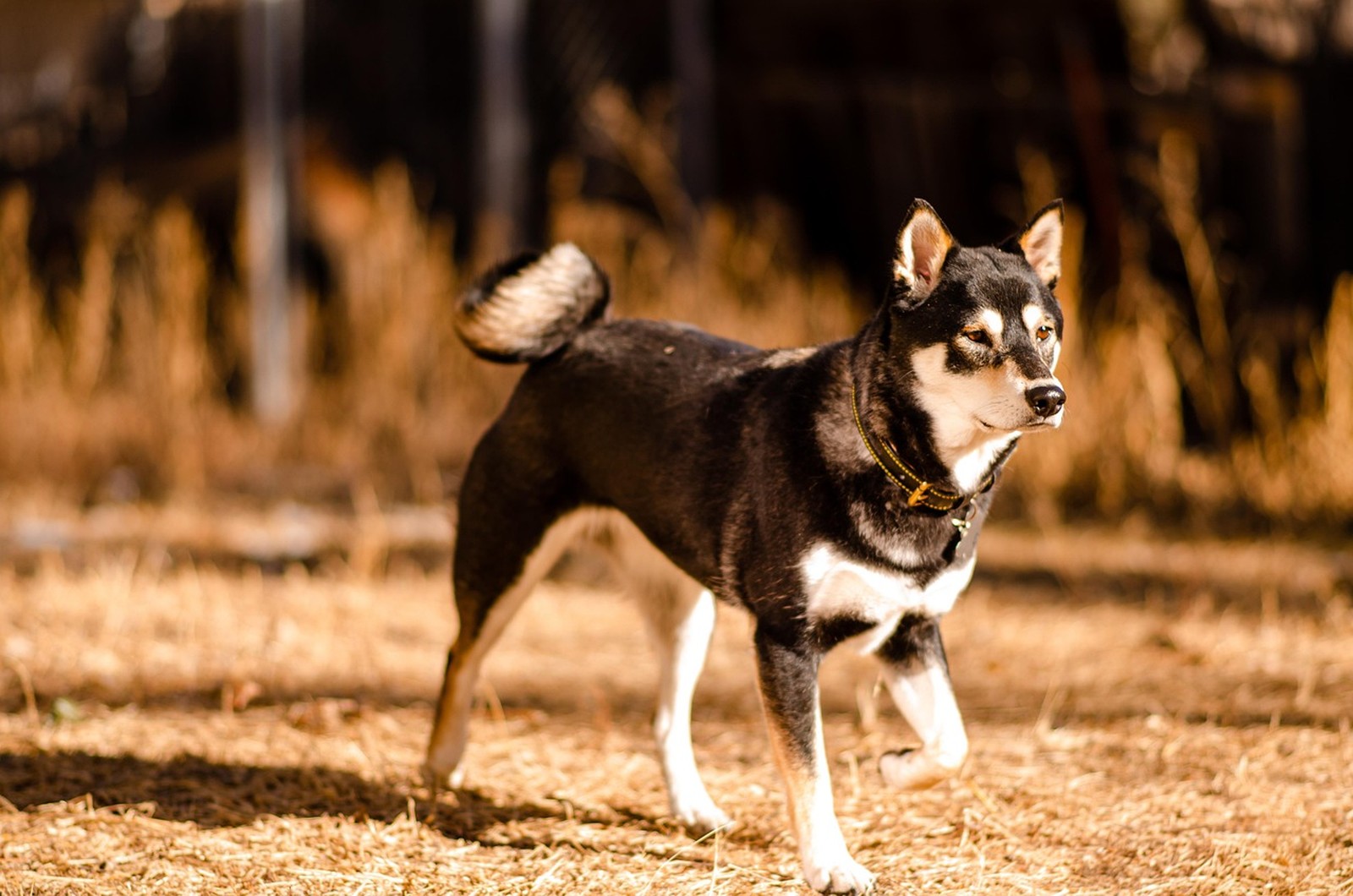
A typical day with a Shiba Inu is calm on the surface and quietly deliberate underneath. This Japanese breed is independent, fastidiously clean, and reserved in its affections — a dog who shares your home on terms of mutual respect rather than constant adoration, and whose daily care is as much about management and trust as about exercise and feeding.
Morning: out on a harness you have double-checked
The day begins with a walk of forty minutes to an hour, on a well-fitted harness and a lead that stays on. Shibas are accomplished escape artists with a strong prey drive and an unreliable recall when something interesting moves, so off-lead freedom is reserved for genuinely secure areas, and gates, doors, and harness straps get the kind of check other breeds' owners reserve for puppies. The Shiba uses the walk thoroughly — sniffing, watching, marking — and typically toilets away from home by preference, keeping the garden and house scrupulously clean.
A self-sufficient middle of the day
Breakfast is eaten neatly and without drama; Shibas are generally moderate eaters, though individuals can be fussy and will skip a food they have decided against rather than eat it resentfully. The middle of the day is where the breed's independence shines: a Shiba settles in a chosen observation post — a windowsill-adjacent chair, a doorway, a sunny patch — and supervises. Play happens on the dog's initiative as often as yours, in short, intense games, and affection is offered in brief, meaningful doses rather than all-day cuddling.
Grooming: the cat-like breed with a seasonal exception
Day to day, a Shiba grooms himself like a cat, licking his coat clean and disliking being dirty, so brushing once a week and rare baths cover ordinary care. Twice a year the dense double coat blows, and for a few weeks the house fills with undercoat and daily brushing becomes the price of keeping it manageable. Handling is built gradually into the routine — paws touched, harness fitted calmly, teeth checked in tiny increments — because a Shiba who is manhandled into care tasks will remember it and make next time harder.
Training that respects the dog's terms
Sessions are short, worthwhile from the dog's point of view, and never a battle of wills; a Shiba pushed will simply opt out, sometimes for days. Owners get furthest by making cooperation pay — a prized treat for a recall, a game for a harness — and by accepting that some days the dog's answer is no, and the plan adjusts. Socialisation is kept steady and positive, since the breed's reserve with strangers and other dogs can harden into suspicion if the world is allowed to become unfamiliar.
Evening, and the standing escape plan
A second walk closes the day, again with the harness check, and evenings are peaceful: the Shiba nearby but not on top of you, alert to household sounds, asleep early. The honest summary is moderate exercise, minimal grooming, and constant low-level vigilance about doors and leads — the day this breed gets loose is usually an ordinary day when someone got casual. A Shiba who stops eating for more than a day, screams and holds up a hind leg after a jump, or shows sudden aggression unlike himself needs a veterinarian rather than patience. As a backstop for the breed's famous slipperiness, KinsLe's Verified QR ID Pet Profiles put a unique QR on your Shiba's collar that any finder can scan to open his profile and contact you directly, without needing to catch and hold a wary dog for long.