
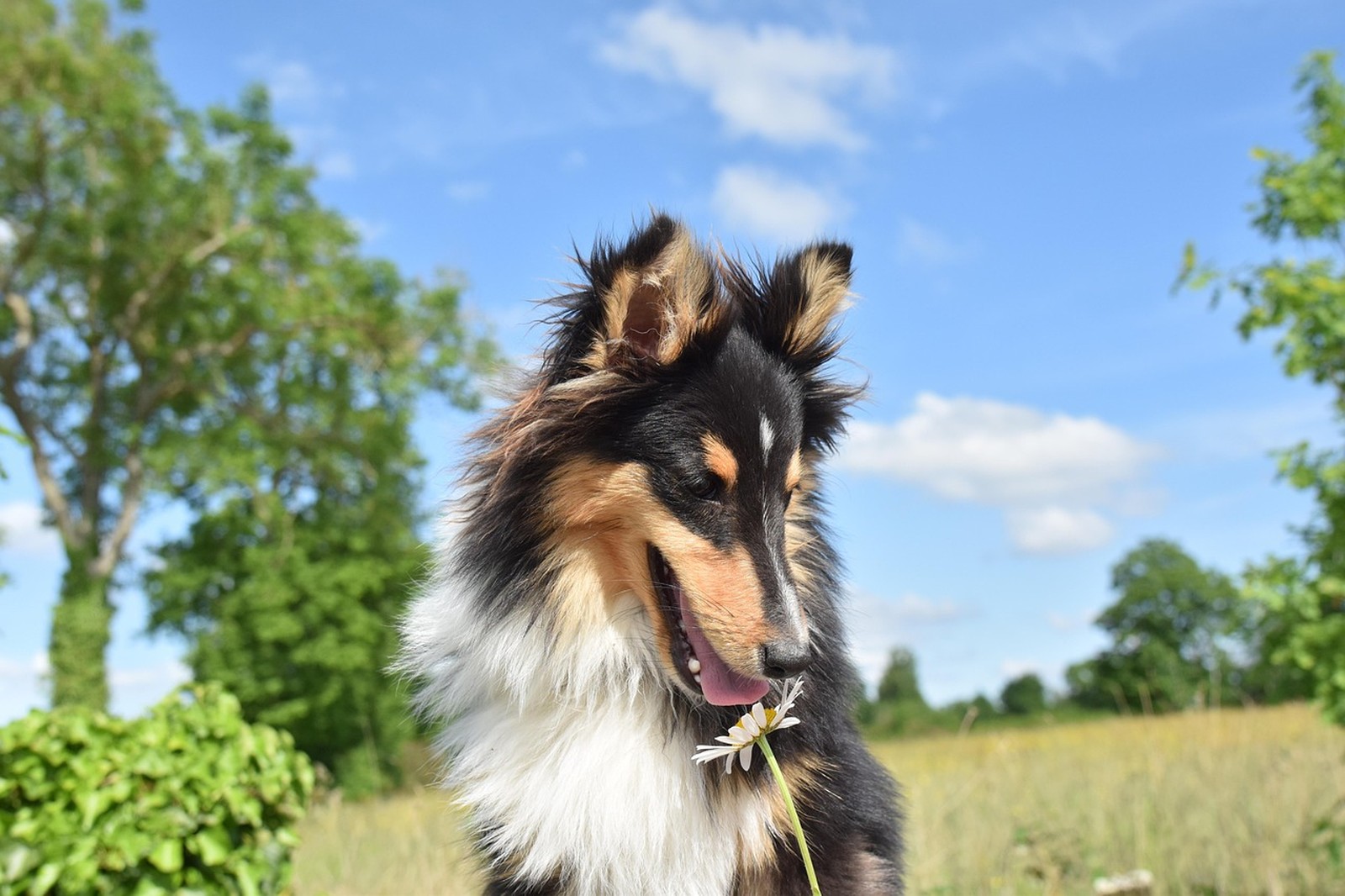
Few comparisons confuse people more, because a Shetland Sheepdog genuinely resembles a Collie shrunk in the wash: same long muzzle, same tipped ears, same glamorous mane. Yet the Sheltie is its own breed, developed on the Shetland Islands for herding small, hardy livestock in harsh weather, while the Collie comes from the larger sheep and cattle work of Scotland and northern England. Shared ancestry explains the looks; different islands and jobs explain the temperaments.
Size is the obvious divider
A Collie is a substantial medium-to-large dog with a long, elegant body under either a full rough coat or a short smooth coat. A Sheltie stands dramatically smaller, roughly lap-to-knee height, and weighs a fraction as much. That difference changes daily life: food quantity, car space, how much dog is underfoot in a small house, and whether the dog can be lifted in an emergency. Anyone choosing a Sheltie expecting a Collie's steadiness in a portable size has the size right but often underestimates everything else that comes in the smaller package.
Temperament and strangers
Most Collies are gentle, steady, and socially relaxed. They tend to accept visitors after a brief appraisal and settle into family life with a calm dignity that suits children well. Shelties bond just as deeply but reserve more of themselves for their own people. Many are shy or watchful with strangers, and that reserve needs early, kind socialisation so it does not harden into nervousness. A Sheltie often shadows one person with near-telepathic attention, reading tiny changes in routine. Where a Collie observes the household, a Sheltie monitors it.
Voice, energy, and the herding brain
Both breeds herd, but the Sheltie's dial is turned higher. Shelties are famously vocal, commenting on doorbells, squirrels, visitors, and departures, and they excel in agility and obedience because they are quick, biddable, and desperate to work with their handler. Collies are intelligent and trainable too, yet typically lower-octane: a good walk, some training, and family time satisfy most. Both breeds may try to herd children, bicycles, or other pets by circling and nipping at heels if their instincts have no outlet, so channel the behaviour into games and training early rather than scolding a hardwired instinct.
That double coat, twice over
Both breeds carry a dense double coat that sheds noticeably, especially during seasonal coat blows, and both need brushing down to the skin to prevent the undercoat packing into felt. The Collie's rough coat is simply more of everything: more hair on furniture, longer grooming sessions, a bigger dog to bathe. The smooth-coated Collie is the low-effort option in this whole comparison. Shelties pack surprising coat volume onto a small frame, and their trousers and mane mat behind the ears and under the elbows if brushing lapses. Neither breed should be shaved; the double coat regulates temperature in both directions.
Making the choice
Pick the Collie if you want a larger, steadier family herder who greets the world calmly and can switch off after exercise. Pick the Sheltie if you live in a smaller space, want a devoted and quick-witted partner for dog sports, and can embrace the barking and reserve as part of the breed rather than faults to train away. Talk to any breeder or rescue about sensitivity to sound and strangers, because lines vary. When your herder comes home, KinsLe supports the move with Transferrable Profiles, handing over their training notes, feeding routine, and health records so nothing learned before is lost.