
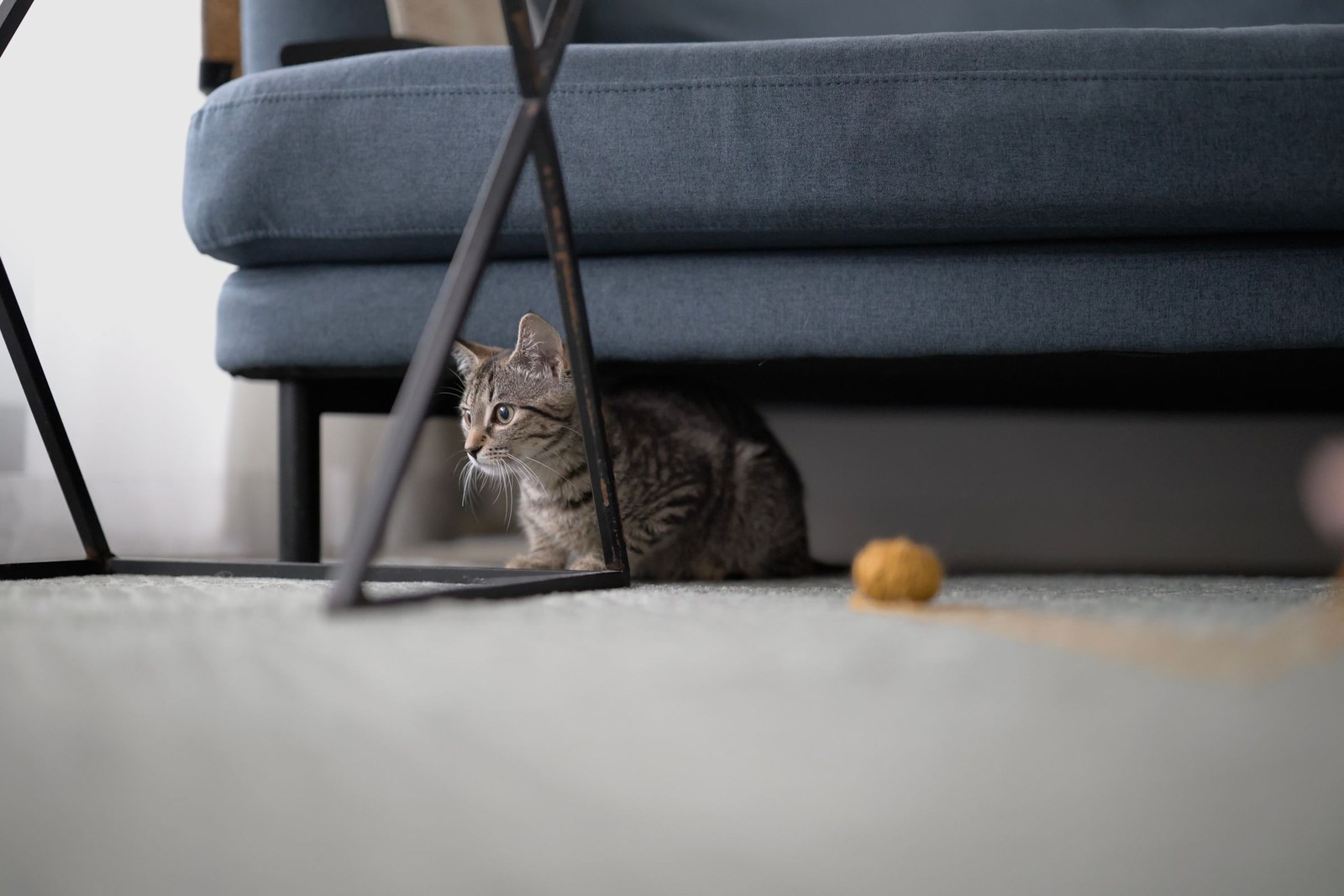
You should worry about hiding when it is a change from your cat's normal pattern — especially sudden, round-the-clock hiding paired with eating less, litter box changes, sensitivity to touch, or withdrawal from people she usually seeks out. Cats hide discomfort instinctively, so a new hiding habit is one of the most common early signs that something physical is wrong and a prompt veterinary visit is the right call.
Know Her Baseline First
Hiding exists on a spectrum, and context is everything. A shy rescue who has always napped inside the wardrobe is showing you her personality, not a symptom. A bold, social cat who has spent three days under the guest bed and skips meals is showing you a red flag. That is why owners are such important observers: you know what 'normal Tuesday' looks like for this particular cat.
Useful questions to ask yourself: When exactly did it start? Did anything change alongside it — a new pet, a move, a fall, a visitor with a dog, a new medication? Is she emerging at night to eat and use the box, or barely moving at all? Your answers form a timeline that genuinely helps your veterinarian narrow possibilities far faster than 'she seems off' alone.
Signs That Mean 'Book the Vet Now'
Some combinations should not wait for a watch-and-see period:
- Hiding plus not eating for more than a day, or drinking noticeably more or less than usual
- Changes in the litter box — straining, crying while urinating, going outside the box, diarrhea, or no urine at all, which in male cats is an emergency
- Hiding after a fall, fight, or possible toxin exposure, or alongside drooling, vomiting, or labored breathing
- Flinching, growling, or crying when picked up or touched in a specific spot, suggesting pain
- Hiding paired with weight loss, dull coat, or a senior cat becoming generally withdrawn
You do not need a diagnosis — that is the vet's job, and guessing at causes or giving human or leftover medication at home can make things worse. Your job is spotting the change early and describing it clearly, which owners consistently underestimate the value of.
What to Track Before the Appointment
For a few days, or as long as you have before the visit, keep simple notes: appetite at each meal, water intake if you can gauge it, litter box visits and anything unusual, where she hides and for how long, and any interaction she still enjoys. A short phone video of her moving, breathing, or reacting to touch can also help, especially if she behaves differently at the clinic.
Bring her vaccination history, current medications, and known allergies if you have them. Clinics can work without paperwork, but complete records speed up decisions and prevent duplicated tests or unsafe drug combinations.
The Stress-Only Cases
Not all increased hiding is illness. A new baby, renovation noise, a visiting dog, or tension with another cat in the home can push a cat into retreat, and the fix there is environmental: separate resources, safe vertical space, predictable routines, and time. Your veterinarian can help you tell stress from sickness — the two can look identical from the outside, which is exactly why a check-up comes first when the change is sudden.
Have Her Records Ready With KinsLe
When a vet visit cannot wait, scrambling for paperwork should not slow you down. KinsLe's Pet Passport keeps your cat's vaccines, medications, allergies, and documents organized as one records packet you can share with vets or sitters, so the timeline and history you have been tracking travel with her. Keep her Pet Passport current in KinsLe and explore more pet answers on KinsLe for spotting health changes early.