
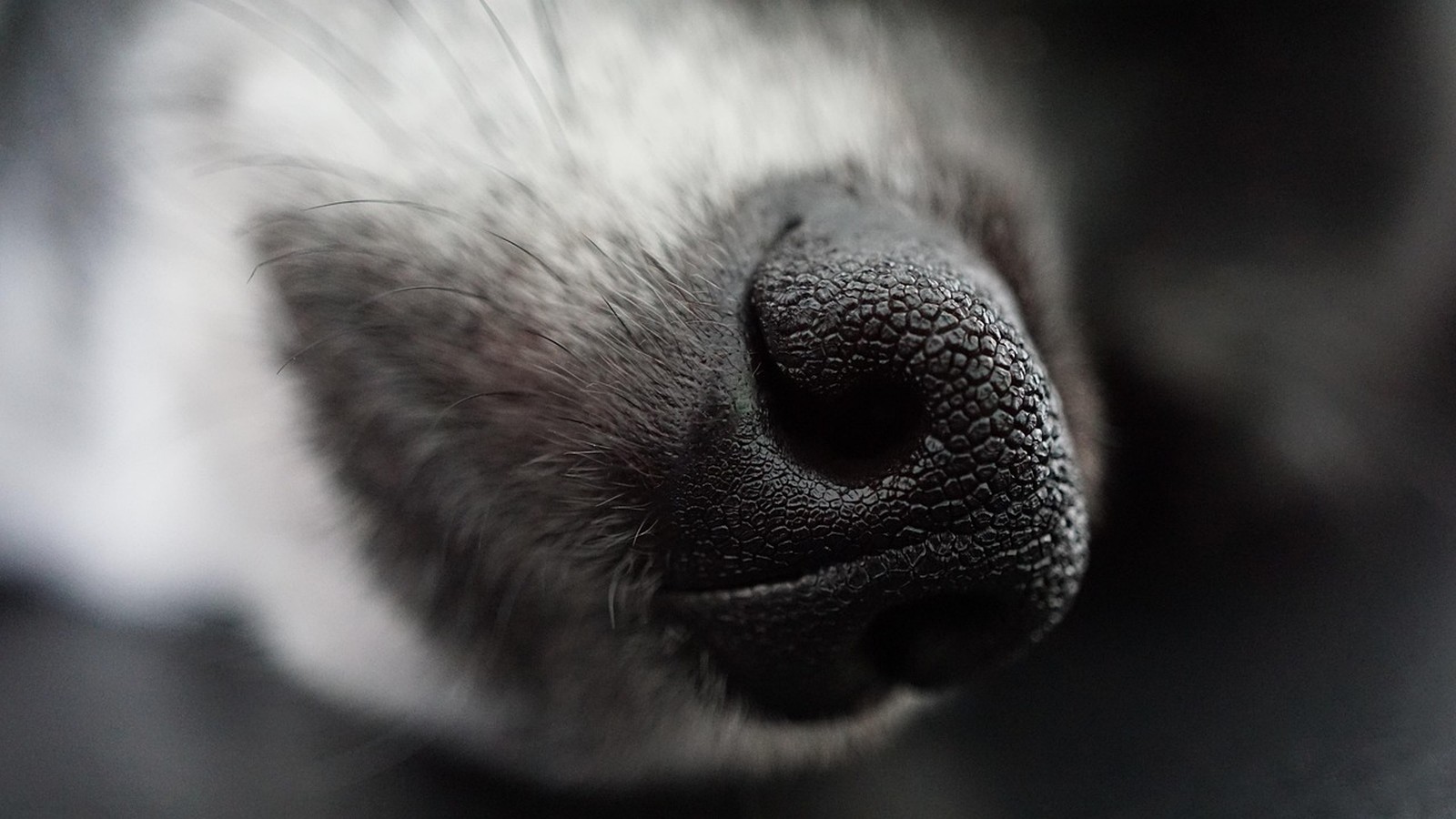
A dry nose alone is a poor illness test
A dry nose by itself does not mean your dog is sick. Nose moisture is not a steady reading like temperature. It shifts hour by hour as your dog sleeps, drinks, licks, sniffs in wind, or dozes in a patch of sun. A nose that feels dry at breakfast can feel damp again after a walk and a drink, without anything being wrong at all.
What matters is the pattern around the dryness. A bright dog who is eating, drinking, playing, and breathing comfortably, and whose nose is simply dry for part of the day, is giving you very little to worry about. A dry nose that arrives alongside a clear change in the whole dog is different, and that combination is what deserves attention.
Why a healthy dog's nose dries out
Sleep is the most common reason. Dogs lick their noses far less while asleep, and they are not drinking or sniffing damp grass either, so the surface dries. Waking with a warm, dry nose after a long nap or an overnight sleep is expected, especially for a dog who sleeps curled in a warm bed away from any draught.
The room matters too. Central heating, a wood stove, a fan blowing across a crate, and a sunny windowsill all pull moisture from the nose leather while a dog rests. Outdoors, wind and strong sun do the same, and a dog who has spent an hour digging, tracking scent through dry ground, or riding with his head near a car vent will often come back with a noticeably drier nose.
What to check besides the nose itself
Start with appetite and thirst. A dog still keen for meals and drinking his usual amount is in a different category from one who has turned away from food and water. Energy counts too: a dog who still greets you, asks for a walk, and settles normally afterwards is showing you that the dry nose is probably a surface detail.
Look closely at the nose leather: merely dry is one thing, but cracked, crusty, sore, bleeding, or steadily losing its dark pigment is another, and broken skin deserves more than watching.
Check for company symptoms too: sneezing fits, thick coloured discharge, coughing, vomiting, diarrhoea, unusual tiredness, or panting at rest build a picture a dry nose alone never does.
When this becomes a vet conversation
Book a visit if the dryness comes with not eating, drinking far more or far less than usual, vomiting or diarrhoea that does not settle, marked tiredness, or trouble breathing. Those signs matter because of what they are, not because the nose happened to be dry at the same time.
Also ask your vet to look at a nose that stays cracked and sore, crusts repeatedly in the same spot, bleeds, changes shape, or steadily loses pigment, even in a dog who otherwise seems well. Skin on the nose can develop its own problems, and a persistent local change deserves eyes on it rather than months of home guessing.
A very young puppy or a frail senior with a dry nose plus poor appetite or weakness should be seen sooner rather than later, because both ends of life have less reserve when something else is going on.
Watching the pattern at home
For a well dog, the useful home step is comparison over a few days, not a single touch test. Feel the nose after a walk, after drinking, and after sleep, and note whether the dry spells line up with naps and warm rooms. Photograph any cracking or colour change so you can tell whether it is actually progressing.
A dated photo whenever the leather cracks, saved in KinsLe's Pet Passport, turns a vague worry about dryness into visible evidence of whether the surface is changing.