
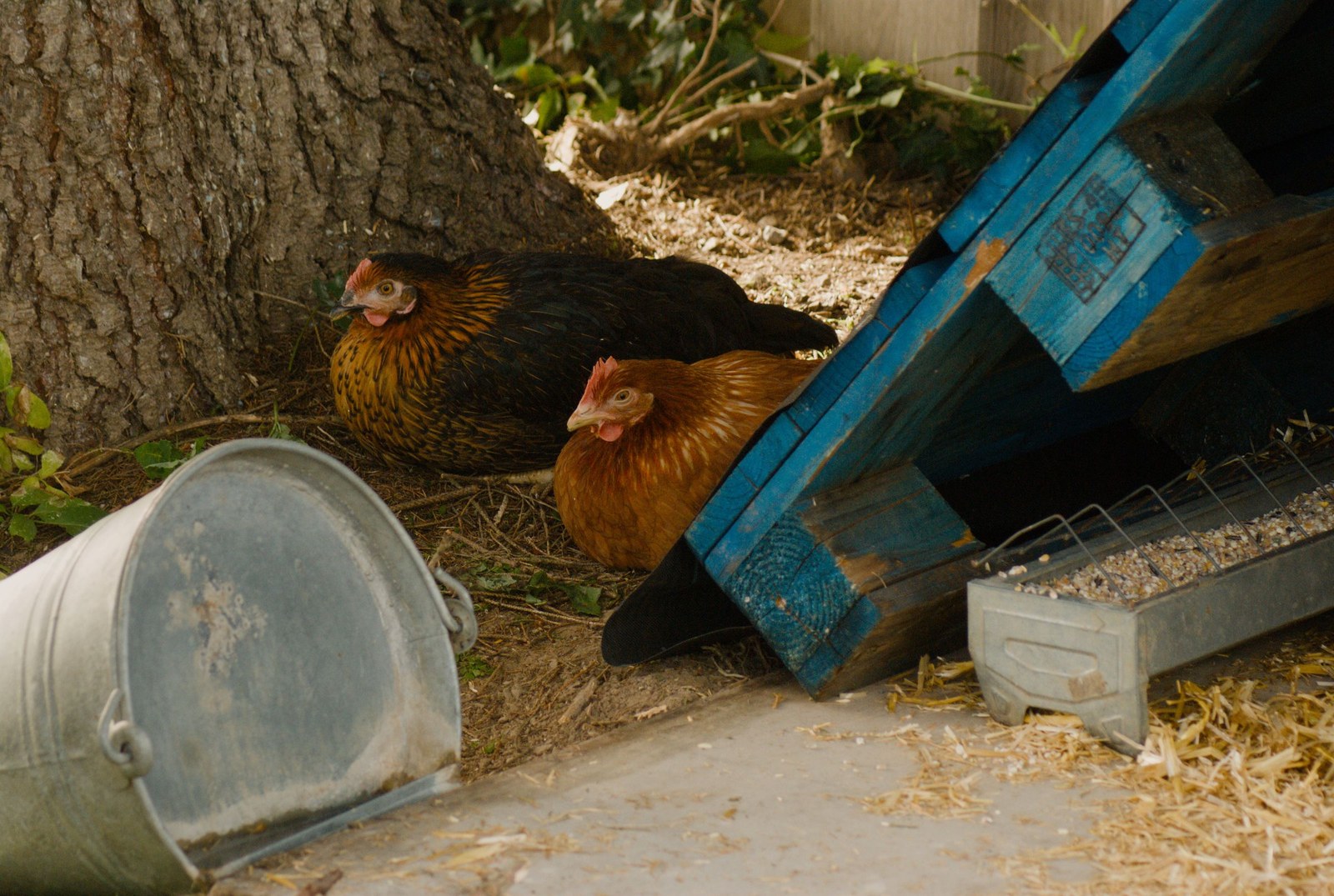
Chickens are usually the gentler starting point for a beginner: they need less space, simpler fencing, and a smaller daily time commitment, and they reward you with eggs. Goats are charming, smart, and deeply entertaining — but they ask considerably more of a first-time keeper from day one.
The honest case for chickens first
A small flock of hens fits in a modest backyard corner with a secure coop and a run. The daily routine is short: let them out, check food and water, collect eggs, lock up at night. Mistakes are mostly forgiving — a beginner who under-builds a chicken run learns and rebuilds without an animal standing in the road. Start-up costs are lower, the learning curve is kinder, and hens are quiet enough that neighbors rarely object. Many keepers also find chickens the best teacher of basic animal rhythms: observation, routine, and noticing small changes early.
What goats actually demand
Goats test everything. They are herd animals, so you cannot keep one alone — a lonely goat is a loud, stressed goat — meaning your commitment starts at two. Fencing has to be serious: goats climb, lean, squeeze, and treat a mediocre fence as a puzzle, so woven wire or well-built panels, not a couple of strands and hope. They need hoof trims every month or two, parasite vigilance, mineral supplementation, and careful feeding — a goat that gets into the chicken feed or a bag of grain can bloat dangerously. None of this is hard forever, but it is a lot to learn all at once while an intelligent animal studies your weaknesses.
Comparing the real commitments
- Space: hens thrive in a compact coop and run; goats need real grazing or browsing room plus shelter.
- Time: chickens ask ten to fifteen minutes twice a day; goats want more presence, handling, and fence patrol.
- Cost: goat fencing, shelter, and feed infrastructure cost several times a basic chicken setup.
- Noise and neighbors: hens cluck; a frustrated goat announces itself to the whole street.
- Payoff: eggs most days from hens; goats offer milk potential (with daily milking commitment), brush clearing, and big personalities.
A sensible path many beginners take
Start with chickens for a season or two. You will build the twice-daily check habit, learn predator-proofing, find your farm vet, and discover whether the livestock lifestyle genuinely fits your days. If it does, add goats with your routines, fencing skills, and support network already in place — and with realistic expectations, because you will have watched goat keepers near you deal with the escapes and the parasite checks. Skipping the learning stage is how goats end up rehomed; the staged approach is kinder to everyone, goats included.
Questions to ask yourself first
Do local rules even allow goats where you live? Do you have someone to cover care when you travel — goat sitters are scarcer than chicken sitters? Is your fencing budget real? And honestly: do you want eggs and gentle routine, or do you want an interactive, demanding animal? Neither answer is wrong, but they lead to different first purchases.
Learning from keepers near you on KinsLe
Before you buy anything, talk to people already doing it on your kind of property. KinsLe's Circle of Love network — the community every free profile joins, the same network that powers Lost Pet Alerts — is a friendly place to connect with nearby keepers, ask beginner questions, and see real setups before your first animals come home. Seasoned chicken and goat keepers nearby swap fencing lessons and beginner warnings through the Circle of Love on KinsLe, giving you real local setups to visit before committing.