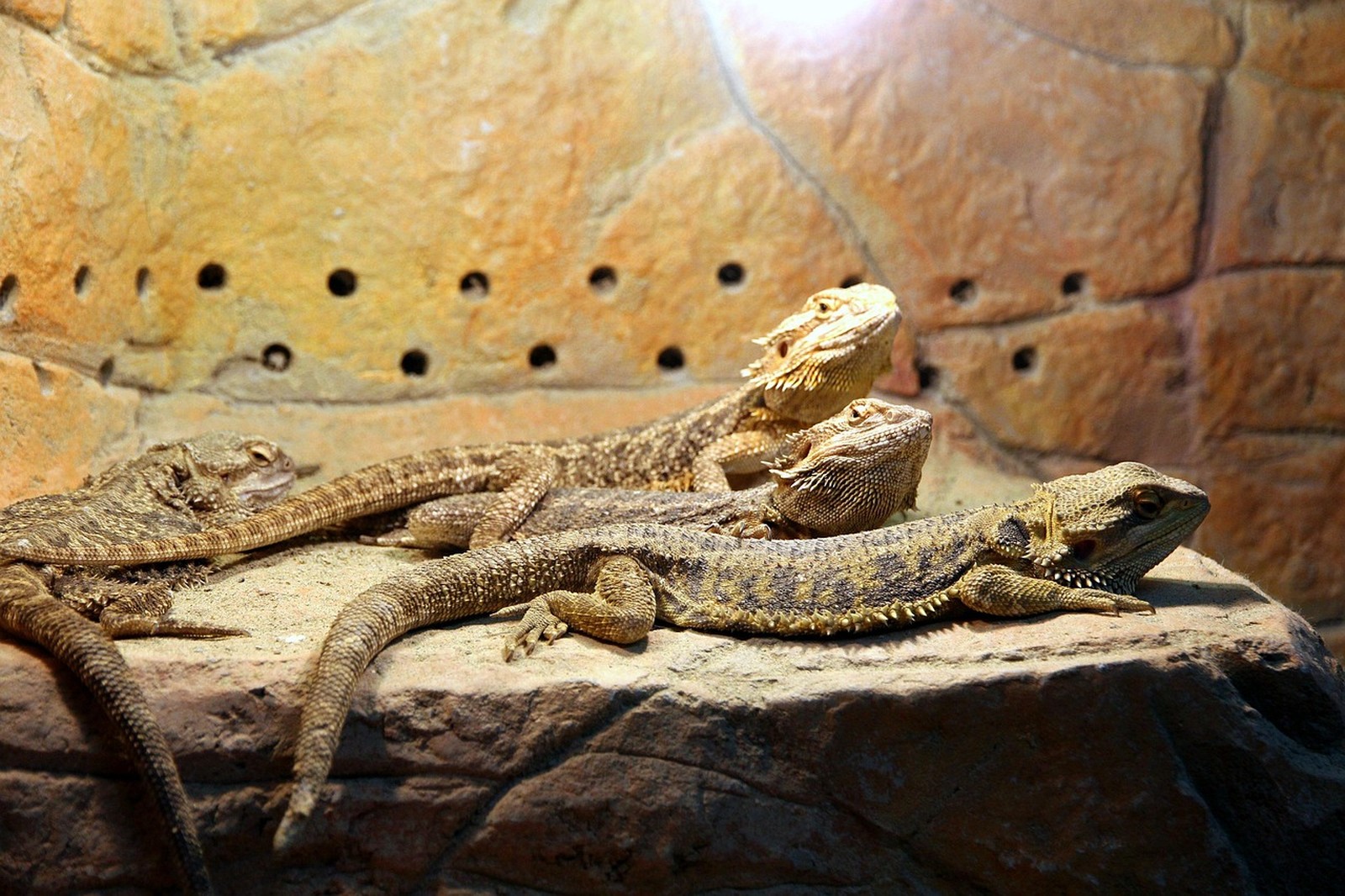
No. A heat rock is not a safe heater for a pet reptile, even when it feels only warm to your hand. Your fingertips judge heat and pull away quickly. A lizard or snake resting with its belly pressed to the surface has no such quick escape signal, and the rock itself does not heat evenly. One area can become much hotter than the rest while the air in the enclosure still feels mild, so the setup can look normal right up until skin is injured.
Why Contact Heat Goes Wrong
A reptile warms and cools by moving between warmer and cooler places. That system works when heat comes from a defined warm zone with a clear gradient toward a cool end, where the animal can leave the heat entirely. A heat rock breaks that choice. The warmest point sits directly under the body, the animal often settles on it for long periods after eating, and there is no cooler part of the same surface to shift onto.
Hot spots make the risk worse. Heating elements inside a rock age unevenly, and a thermostat probe placed in the air, or on a different part of the rock, cannot tell you how hot the patch under your animal's belly has become.
What a Burn Can Look Like
Treat any of these signs as a reason to remove the rock the same day and to seek veterinary advice promptly:
- Pink, darkened, or blistered skin on the belly or on one flank
- A patch of stuck shed that sits over sore-looking skin
- A reptile that stops basking, hides constantly, or refuses food after a setup change
- Dry, cracked scales in one area while the rest of the body looks normal
Do not apply creams, oils, or home remedies to damaged skin, and do not try to peel stuck shed away. Keep the animal on clean, dry paper towel substrate, keep fresh water available, and let a veterinarian who treats reptiles assess the depth of the injury. A shallow mark and a deep burn can look similar on the first day, which is why a plain vet check matters more than watching and hoping.
Safer Ways to Provide Heat
Build heat from outside the animal's resting surface, and control it rather than trusting it:
- Fit an overhead basking lamp or a ceramic heat emitter above one end of the enclosure, guarded so the animal cannot touch the bulb
- Or fit a heat mat outside the glass, under one end only, so the animal can move off the warmed floor area
- Connect the heater to a thermostat, with the probe placed where the animal actually basks or rests
- Place separate probe thermometers at the warm end and at the cool end, and read both daily
- Leave the cool end genuinely cool, with a hide there, so moving away from heat is always an option
If You Already Own a Heat Rock
Unplug it, let it cool fully, and take it out of the enclosure rather than leaving it in place as a decoration. An unplugged rock that is later plugged in by a helper, a child, or a house sitter becomes a hazard again, and a sitter may reasonably assume that equipment left in the enclosure belongs there. Replace it in the same visit with the controlled setup described above, then watch feeding, shedding, and basking behaviour over the following week and note anything that changes.
Write down the heater type, the thermostat setting, the probe positions, and the daily warm-end and cool-end readings for the first week after the change, because that short record shows whether the new gradient holds steady through the day and overnight. Keeping that heating record in KinsLe Pet Passport means the next person who cares for your reptile, and any veterinarian you consult, can see exactly how the enclosure is heated rather than guessing from memory.