
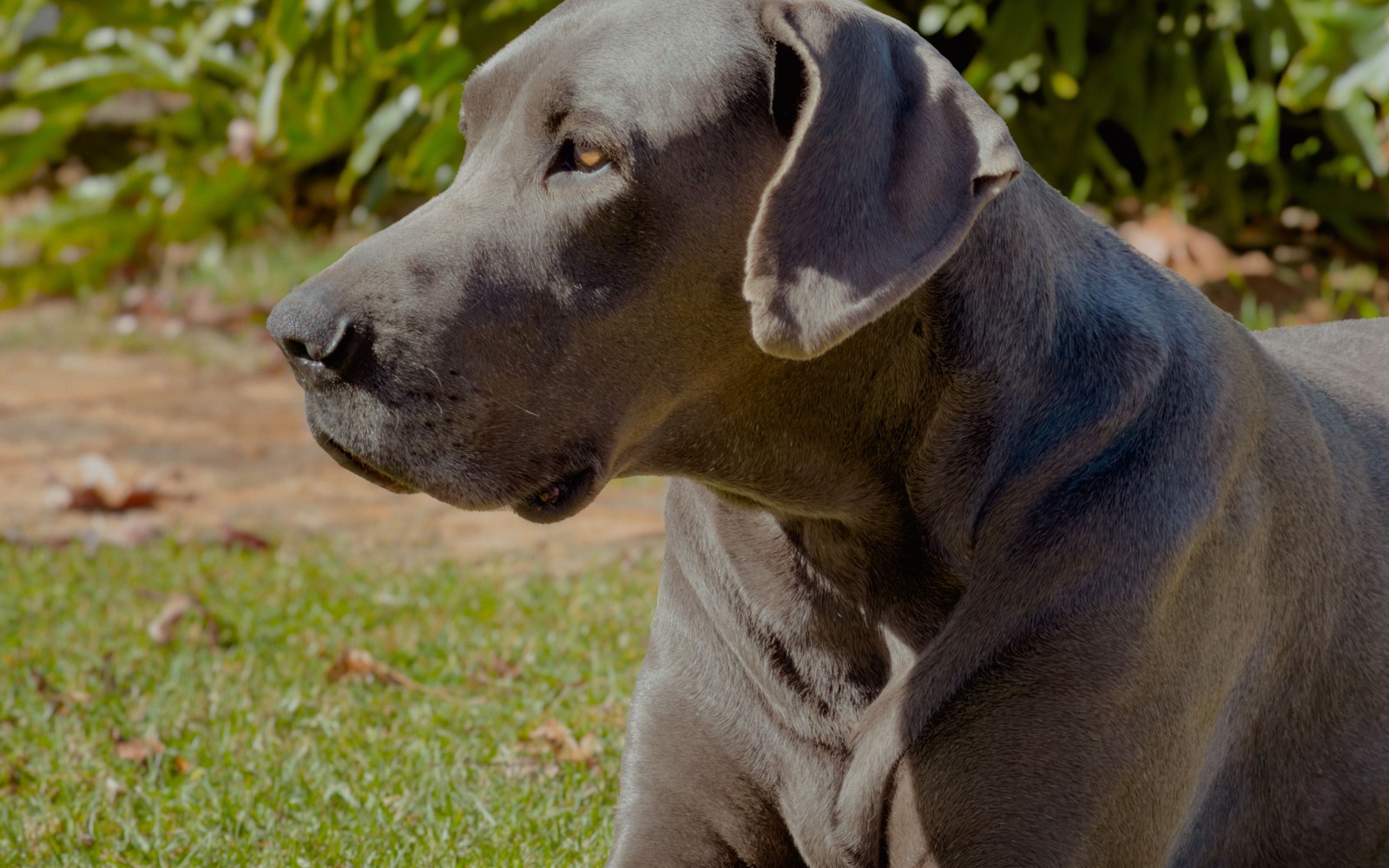
Yes — a large dog can be genuinely happy in a small apartment, because most dogs measure their world in time with you, exercise, and interesting outings, not in square footage. A Great Dane snoozing on a rug in a studio can be far more content than a restless dog alone all day in a big house with a yard nobody walks him beyond. Size alone is a poor predictor of apartment success; energy level, age, and your daily routine matter much more.
What large dogs actually need indoors
Inside the home, most big dogs mostly want one thing: a comfortable place to sprawl and be near you. A supportive bed sized for full extension, placed out of the main footpath, becomes their headquarters. Beyond that, apartment life is about managing practicalities. A 90-pound dog turning around in a galley kitchen, shaking off rain in a small entryway, or navigating stairs and elevators daily is real life — plan for a washable mat by the door, a towel station for wet paws, and patience in hallways. If your building has stairs only, consider joint health: repeated flights are harder on giant breeds and seniors than on a spry young Lab.
Breeds and temperaments that settle well
Calm, lower-energy large breeds often adapt beautifully: retired Greyhounds are famously mellow indoors, and many Great Danes, Bernese Mountain Dogs, and older Labradors settle into apartment rhythms easily. High-drive working breeds — a young Border Collie or Belgian Malinois — can also live in apartments, but only with owners who treat exercise and training as a serious daily commitment. An adolescent large dog of any breed is the hardest version: big body, big energy, still learning manners. Be honest about the dog in front of you, not just the breed on paper.
The outdoor routine does the heavy lifting
Since the apartment can't absorb energy, the neighborhood has to. Build the day around:
- Two or three real walks, at least one of them long and sniff-heavy — sniffing is mental work that tires dogs deeply
- Play or training sessions in a park, dog run, or rented sniff space a few times a week
- Puzzle feeders, snuffle mats, and chew sessions indoors to bridge the gaps
- A consistent schedule, so your dog can relax between outings instead of staying on alert
A large dog who gets this routine typically sleeps most of the day while you're out — neighbors often report the big dog down the hall is the quietest one in the building.
Before you commit
Check your lease and building rules honestly: weight limits, breed restrictions, and insurance requirements are real, and discovering them after adoption helps nobody. Think about logistics too — how will an injured 100-pound dog get down three flights of stairs? A ramp, a harness with a handle, or a plan with a friend can matter. Finally, budget for the fact that everything is bigger: food, beds, vet bills, and boarding.
Finding help nearby with KinsLe
Apartment life with a big dog runs on good local support, and KinsLe's Pet Services Directory helps you find nearby dog walkers, trainers, groomers, and sitters who can round out your routine — a midday walker on long workdays can make the whole arrangement humane and sustainable. Your dog's first profile is free, so you can set up his details and start building his care network right away. The Pet Services Directory results on KinsLe can connect your household with a midday walker comfortable handling a ninety-pound dog down apartment hallways.