
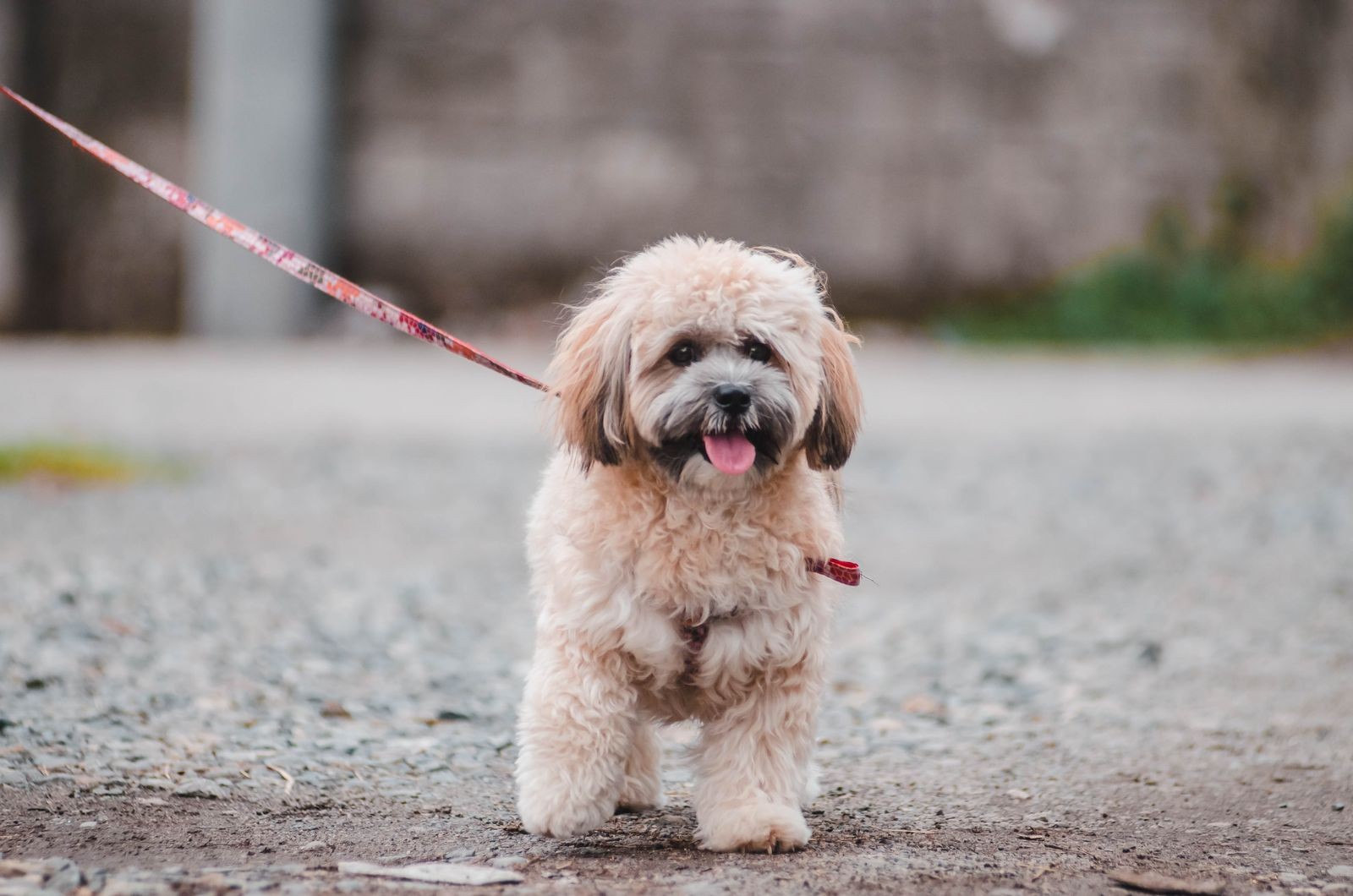
Yes — many dogs thrive in apartments when their exercise, bathroom, and mental stimulation needs are met with regular walks, play, and training, and when barking and neighbor noise are managed thoughtfully. For most dogs, square footage matters far less than what happens outside the front door. A well-exercised small-space dog is usually happier than an under-exercised dog with a large house and an ignored yard.
Choose for energy, not just size
The common assumption — big dog, bad apartment dog; small dog, perfect — breaks down quickly. A calm, older greyhound or a mellow mastiff-type may snooze contentedly in a studio, while a tiny terrier with a huge engine and a bigger voice can make apartment life hard work. Match energy level, exercise needs, and noise tendency to your building and lifestyle. Check your lease for weight or breed restrictions before you fall in love, and be realistic about stairs and elevators with puppies, seniors, and large breeds.
The routine that makes it work
Apartment dogs need a deliberate rhythm because there is no yard door to open. Plan for several outings a day: a proper morning walk before work, a midday break — yours, a walker's, or daycare — a longer evening walk with real exercise and sniffing time, and a final short outing before bed. Puppies and seniors need more frequent trips, and elevator waits count as risk time for a puppy still learning bladder control.
Inside, replace the yard with enrichment: puzzle feeders, chew toys, training games, tug and fetch in a hallway, and "find it" games with hidden treats. A dog whose brain has worked is a dog who can settle in a small space.
Being a good neighbor
Noise is the number-one apartment dog problem. Manage it at the source: meet exercise needs first, since tired dogs bark less; teach a "quiet" cue with positive training; and desensitize your dog gradually to hallway sounds rather than punishing reactions. A courteous note to neighbors when a new dog arrives — plus a heads-up during the first settling weeks — buys goodwill that matters. During the day, background radio and a consistent routine help many dogs rest instead of monitoring every footstep.
Also think practically: muddy paws in a shared lobby, a towel station by your door, waste bags always in your pocket, and respect for neighbors who are nervous around dogs, whatever your dog's temperament.
Filling the gaps with local help
Most apartment owners cannot do every walk themselves, and they should not have to. KinsLe's Pet Services Directory helps you find local pet services — dog walkers for the midday break, groomers, sitters for travel days, and trainers when you want help with leash manners or noise. Finding that support nearby turns a tight schedule from a daily scramble into a system your dog can rely on. Pet Services Directory can connect city owners with a midday walker nearby through KinsLe, freeing the evening walk for training and unhurried sniffing instead of a rush.