
The short answer
Yes — you need a lid. Many common aquarium fish, including bettas, are surprisingly strong jumpers and can slip through gaps around filters and cords that look impossibly small. A snug lid also slows evaporation, keeps dust and curious paws out, and helps hold in warmth.
Jumpers hide in every tank
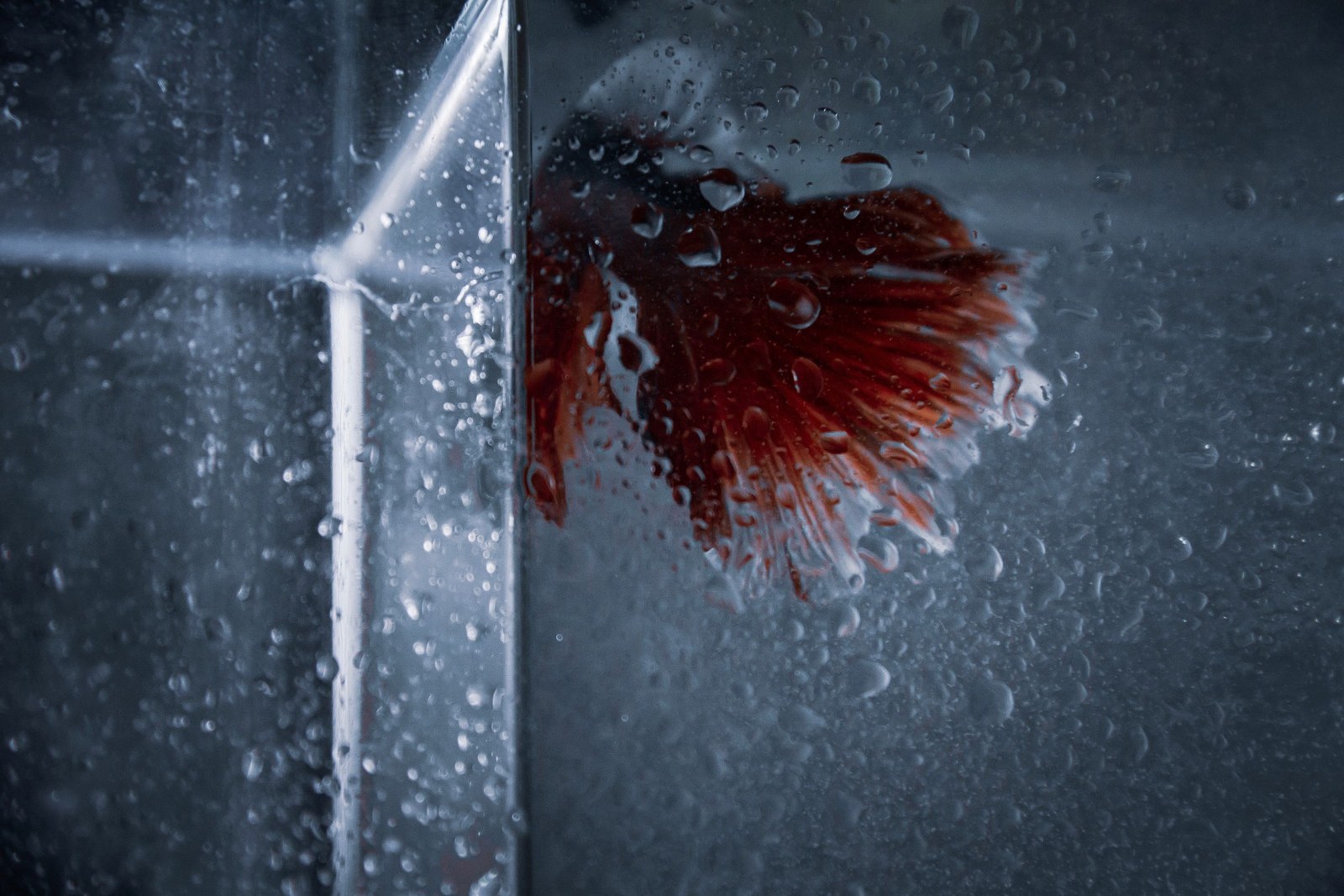
It is not just the obvious leapers. Bettas are famous for it — a startled betta can clear the waterline and find the one-inch gap beside a filter intake. Hatchetfish are built to fly, danios and killifish launch themselves at feeding time, and even peaceful species like gouramis and many tetras will jump when startled by a sudden light change or a splash. Wrasses in saltwater tanks are notorious carpet-surfers. The sad pattern is always the same: the fish was fine for months, until one morning it was not in the tank. Fish do not jump because they are unhappy — they jump because something startled them, or because exploring is simply what fish do.
A lid does more than stop jumps
Evaporation is the quiet second benefit. An open tank can lose a surprising amount of water each week, which concentrates minerals, swings salinity in saltwater setups, and leaves ugly tide lines on the glass. A lid slows that loss dramatically. It also keeps household dust, cleaning-spray drift, and insect visitors out of the water, and it is your first line of defense against a fishing cat — a paw through an open top stresses fish and can injure them. Finally, lids hold warmth in, which eases the load on your heater and steadies the temperature your fish prefer.
Choosing and fitting a lid
Glass lids are the classic choice: they do not warp, they let light through, and they are easy to wipe clean. Mesh lids suit jumpy saltwater fish and tanks that need more airflow. Whichever you choose, the fit matters more than the material — cover the gaps around filter tubes, heater cords, and airline tubing with a plastic back strip you can cut to shape. If even a determined fish could not find a finger-width opening, you have done it right.
Make the lid check a habit
A lid only works when it is actually closed, and the busiest moment of the day — right after feeding — is exactly when it gets left ajar. KinsLe's Kinny, the built-in AI assistant, can nudge you with a quick lid check as part of your nightly tank routine, so a careless gap does not go unnoticed overnight. Kinny in KinsLe takes follow-up questions about snug lids and leaping bettas, answering from material held in the KinsLe Answers library.