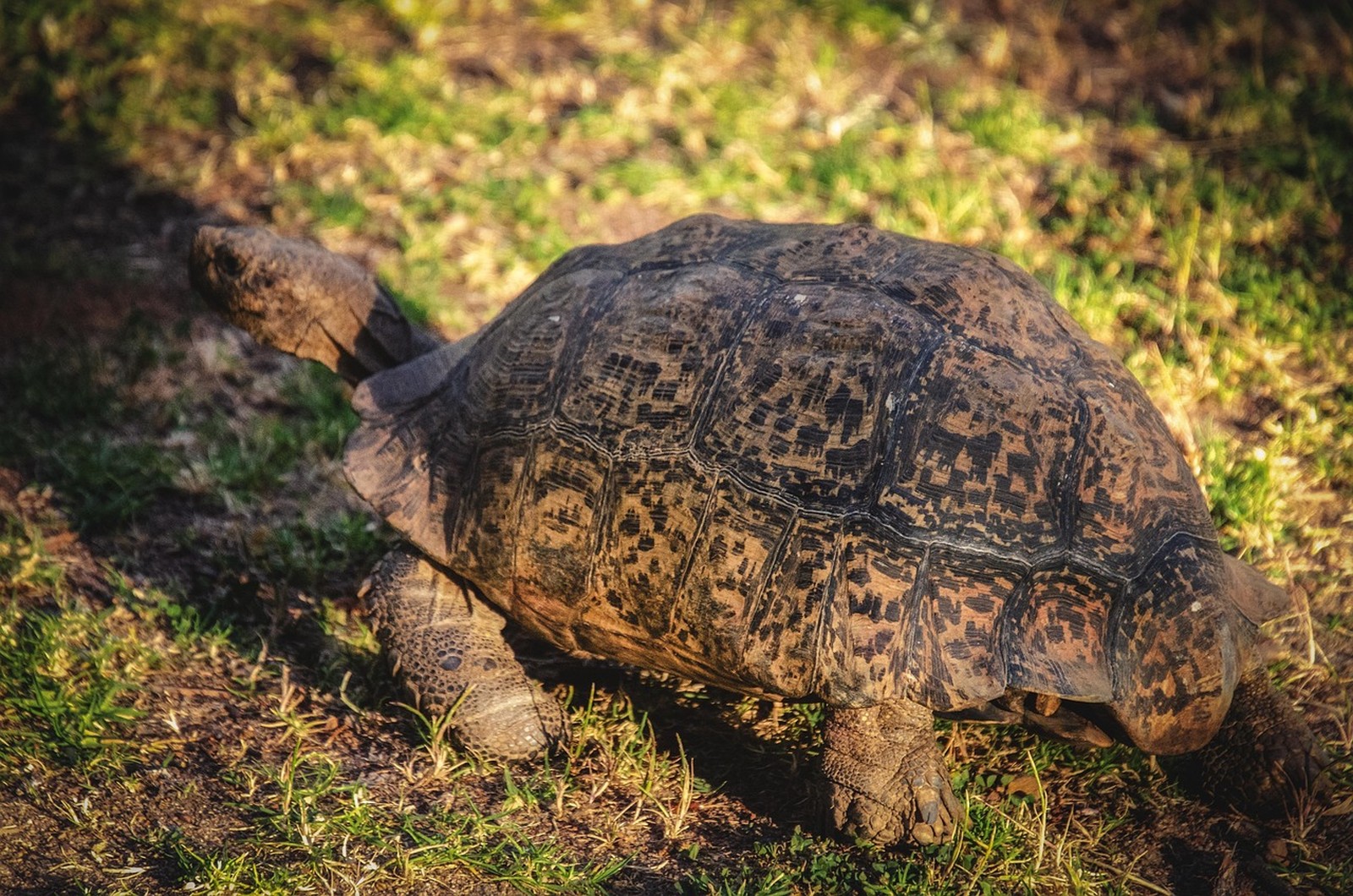
No single rule covers tortoises, because the word covers animals from cool Mediterranean scrub and from warm tropical grassland. Hibernation, more precisely called brumation in reptiles, is a normal seasonal pattern for temperate species and a danger for tropical ones. Your first job is therefore identification, not a calendar: confirm exactly which species you keep before you decide anything about winter.
Species That Can Hibernate, and Species That Must Not
Temperate species commonly kept as pets, including Hermann's tortoises, marginated tortoises, and Russian tortoises, slow down as days shorten and temperatures fall, and healthy adults can be hibernated under controlled conditions. Tropical species, including red-footed tortoises, leopard tortoises, and sulcata tortoises, come from climates without a cold fasting season. Chilling a tropical tortoise for weeks suppresses its immune system and stops its gut, and it can die from a process its body was never built to perform. If you bought your tortoise without a firm species identification, have a veterinarian who treats reptiles identify it before winter, and write that species name into your records where every keeper in the household can see it.
The Third Option: Staying Awake Indoors
Hibernation is not compulsory even for a temperate tortoise. Many keepers overwinter their animals awake in an indoor enclosure with a basking lamp, suitable ultraviolet light, long day length, and regular feeding. That route suits youngsters, tortoises that are underweight or recovering from illness, and any tortoise whose keeper cannot provide a reliably cold, safe hibernation place. An awake winter costs electricity and daily care; a hibernated winter costs preparation and monitoring. Both are legitimate, and a vet can help you weigh them for your individual animal rather than by habit.
If You Do Hibernate: Preparation Matters
Never hibernate a tortoise that is unwell, underweight, recently treated, or still eating, because food left in the gut can rot during weeks of cold stillness. Sound preparation follows a pattern:
- Weigh the tortoise regularly through the active season and record each weight, so you know its normal healthy range
- Have a vet check the tortoise in good time before winter, including a check for signs of illness or parasites
- Follow your vet's guidance on gradually reducing food and light as temperatures fall, so the gut empties before hibernation starts
- Provide a secure, ventilated hibernation box in a place that stays cold and steady, protected from rodents, flooding, and freezing
- Weigh the tortoise during hibernation on a regular rhythm and wake it early if weight loss looks excessive or if you find discharge, injury, or laboured breathing
During hibernation, check that the box stays dry, that bedding has not become wet, and that no animal has disturbed it. Afterwards, wake the tortoise gradually, offer warmth and a shallow lukewarm soak, and expect drinking before feeding. A healthy tortoise usually eats within days of waking; one that has not eaten after a week of warmth, light, and soaks needs a prompt vet check.
Mistakes That Cause Real Harm
The risky shortcuts repeat every winter: hibernating a tortoise that was never identified, skipping the vet check because the animal looked fine, putting a still-feeding tortoise straight into the cold, and leaving a hibernation box in a garage corner that freezes on hard nights or warms on mild ones. Each shortcut removes a safeguard that exists because brumation slows every body system, including the ability to fight infection.
Because species, weights, and vet advice decide this question rather than tradition, KinsLe Pet Passport keeps your tortoise's species, seasonal weight log, and hibernation notes together in one portable packet that any vet or sitter can follow.