
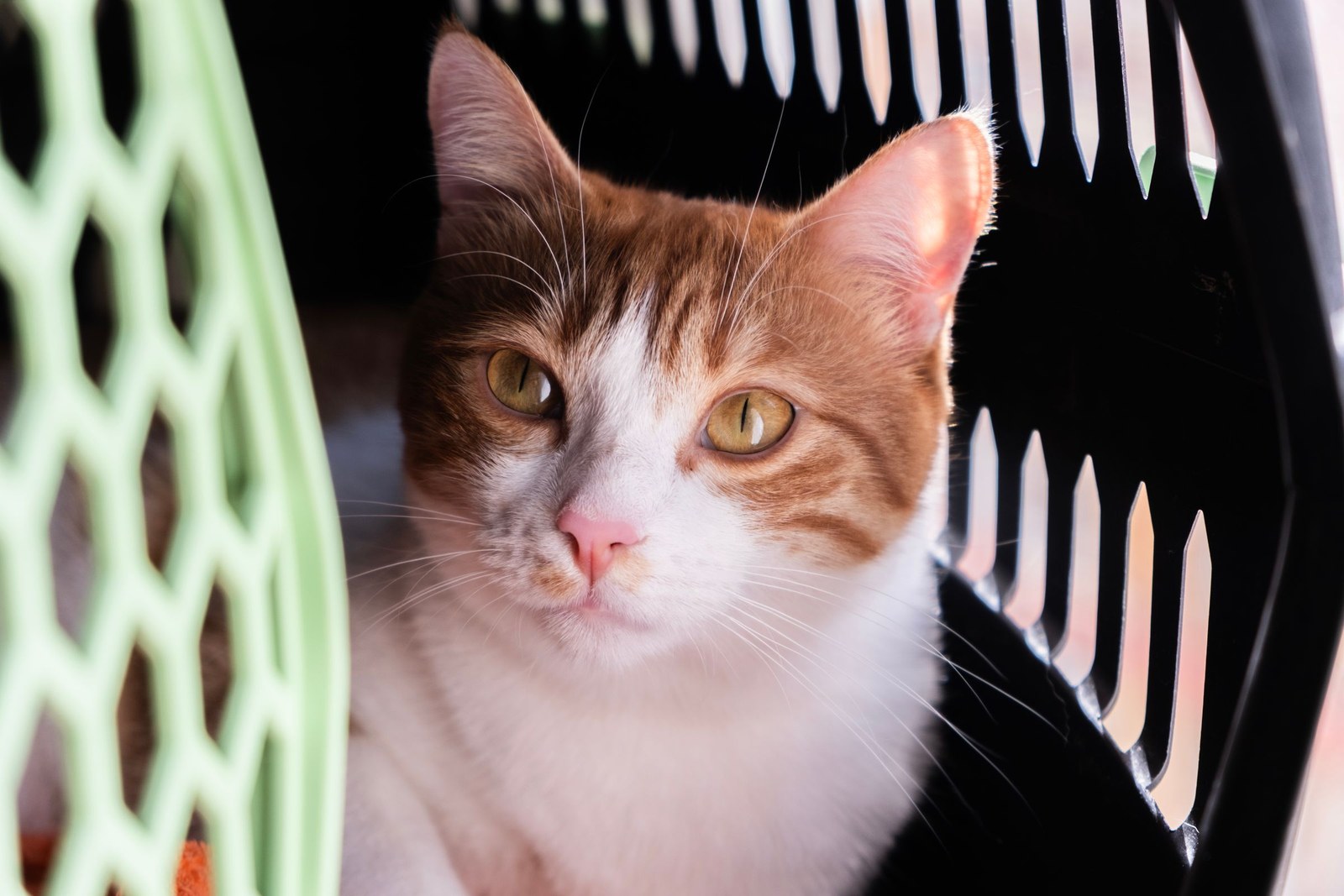
Yes — give your cat a true kid-free retreat she can reach easily but small children cannot, and make one household rule non-negotiable: a cat in her retreat is left completely alone, no reaching in, no coaxing out, and no knocking to say hello. Cats who can choose distance on their own terms are usually far more tolerant and affectionate the rest of the day.
What Makes a Retreat Actually Work
A retreat only counts if your cat chooses it voluntarily and feels safe there. Good options include a spare room or quiet corner with a baby gate she can slip past or jump over, a high perch or cat tree shelf beyond a child's reach, or a cozy hideaway box with a soft bed inside. Put something comforting there — bedding that smells like her, a scratching surface, and fresh water if she will be there a while.
Height is especially powerful for cats. A tall perch lets her watch family life from above without being grabbed, which for many cats is the perfect compromise between togetherness and solitude. If you do not have a spare room, a closet with the door secured slightly ajar for cat-only access, or the top level of a sturdy cat tree in a low-traffic corner, can work well in a smaller home.
Teach the Rule, Not Just the Space
The space fails if the rule is fuzzy. State it simply and repeat it often: "When she goes to her quiet spot, we wave and let her rest." Model it yourself — resist the urge to pull her out for a cuddle or a photo. For toddlers, redirect rather than lecture: offer a toy, a snack, or a wand session with a stuffed cat while the real cat recharges.
Post the rule where visitors will see it, and brief babysitters and playdate parents before they arrive. Older children can help protect the retreat by gently reminding guests, which gives them a responsible role and takes pressure off you having to police every moment. Consistency matters more than perfection; if the rule slips once, calmly reset it without blame.
Signs Your Cat Needs More Downtime
Learn to spot a cat who is not getting enough breaks. Hiding for longer stretches, avoiding rooms where children play, irritability at sounds she used to tolerate, changes in appetite or litter habits, and over-grooming can all signal stress. A single off day is normal; a pattern is worth attention and, if it continues, a conversation with your veterinarian to rule out pain or illness.
Try increasing retreat access before changing anything else. Add a second perch in another room, create quiet hours after school when play is calmer, and build interactive play sessions into the morning and evening so your cat's social energy is spent on her terms. Wand toys and puzzle feeders let kids engage her from a respectful distance — often the best interaction of the day.
Share the Retreat Rule With Every Sitter
A sitter who does not know the rule can undo weeks of good habits in one afternoon by chasing your cat out from under the bed for a check-in photo. KinsLe's Care Pass solves that neatly: it is a temporary, scoped link you share for a specific trip or evening, and the recipient needs no account or app to open it. Put the retreat location, the leave-her-alone rule, feeding notes, and your contact details right in the Care Pass instructions, so whoever is watching your home sees the important boundaries first.
Respecting a cat's need for solitude is not spoiling her — it is how trust is built in a busy family home. Care Pass on KinsLe puts the retreat location and the leave-her-alone boundary in front of a chosen sitter through a temporary, scoped link.