
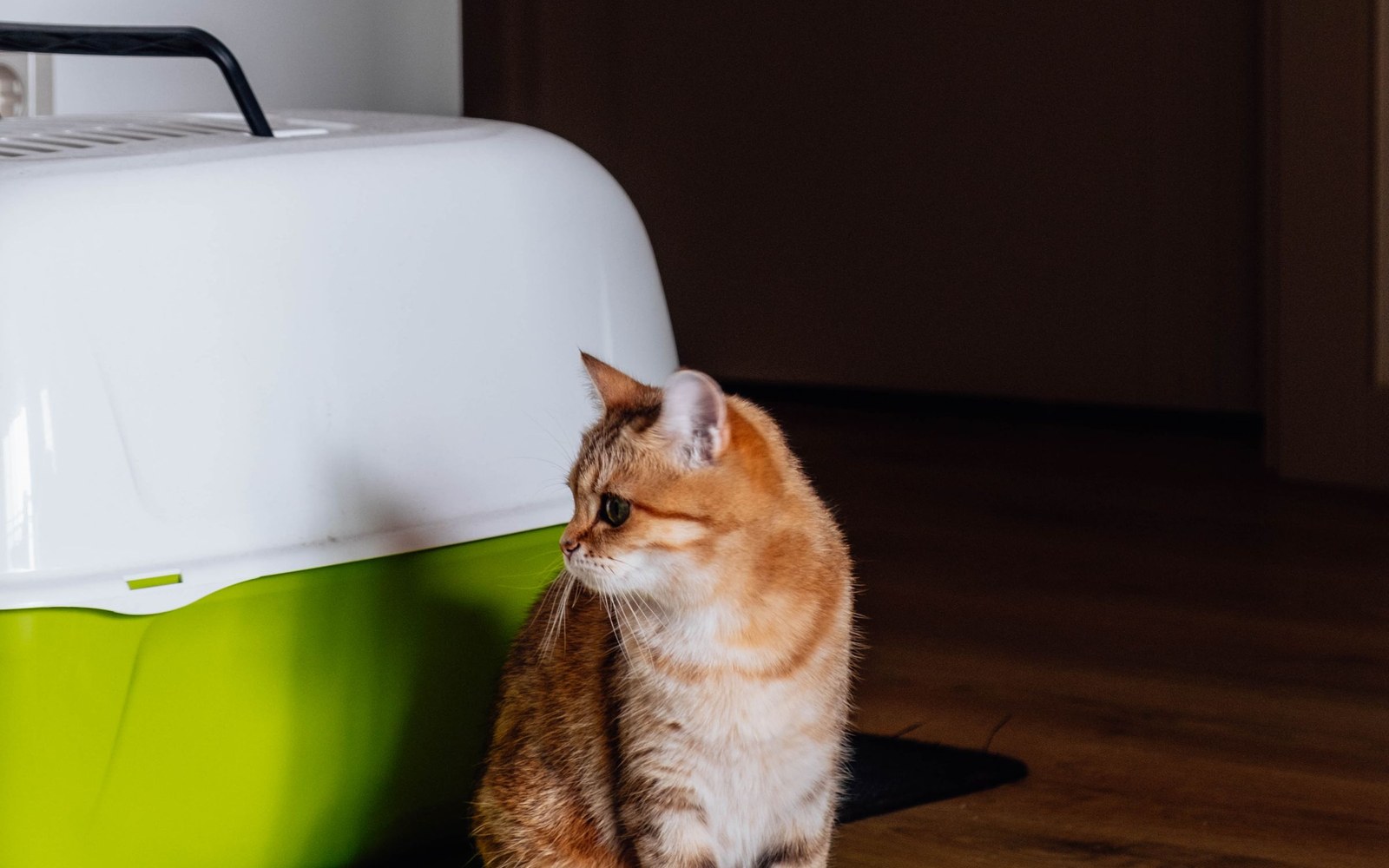
Daily scooping is what actually controls litter box odour — not scented sprays or perfumed litter. Scoop once or twice a day, keep two to three inches of litter in the box, replace litter regularly, and wash the box weekly, and most homes stay fresh without any fragrance that might bother your cat's far more sensitive nose.
Where the Smell Really Comes From
Odour builds when waste sits. Urine in particular develops a stronger ammonia smell over time, and bacteria multiply in warm, soiled litter. A box scooped twice daily simply never gets the chance to reach that stage. The second factor is the box itself: plastic absorbs odours over months of use and develops scratches that trap waste, so a box can smell 'off' even when it looks clean. If a thorough wash does not restore it, replacing the box usually solves what no freshener could.
Placement plays a part, too. A box in a small, unventilated cupboard concentrates smell every time the door opens, while a spot with gentle airflow disperses it — just avoid draughts or noisy areas that would put your cat off using it.
A Routine That Beats Any Air Freshener
- Scoop morning and evening; dispose of waste in a sealed bag or litter bin
- Top up to maintain two to three inches of litter depth
- Empty and wash the box weekly with mild, unscented soap; rinse and dry well
- Sprinkle plain baking soda under the litter if you like — many owners find it helps, without perfuming the air
- Wash or replace the litter mat, and vacuum around the box to catch tracked litter
- Replace the box itself every year or so, sooner if odour clings after washing
Diet and health matter as well. A sudden change to much smellier stool or urine, without a food change, is worth mentioning to your veterinarian — digestive and urinary issues announce themselves at the litter box first.
Why Fragrance Often Backfires
Covered boxes, scented litters, and plug-in fresheners are designed for human noses. To a cat, a strongly perfumed box can smell overpowering at close range — some cats will hold on, rush, or avoid the box altogether, creating the very accidents you were trying to prevent. A lid also traps odour inside the box where your cat has to breathe it, even if the room smells better to you.
Cleanliness beats fragrance, every time, because it removes the cause instead of layering scent over it. If guests are coming and you want a quick win, a fresh scoop and a topped-up box will impress far more than a spray.
A Nudge Before Odours Build Up
Odour is a lagging indicator — by the time you smell it, the box was due hours ago. KinsLe's Kimmy, the built-in AI assistant, can send reminders and nudges so whoever is home knows it is scoop time before smells build up. In a shared home, that prompt removes the 'I thought you did it' gap that lets a box slip for a day.
Small, timely scoops keep both your cat and your home happier. Kimmy on KinsLe answers follow-up questions you ask about scooping frequency and odor control with replies drawn from the KinsLe Answers library.