
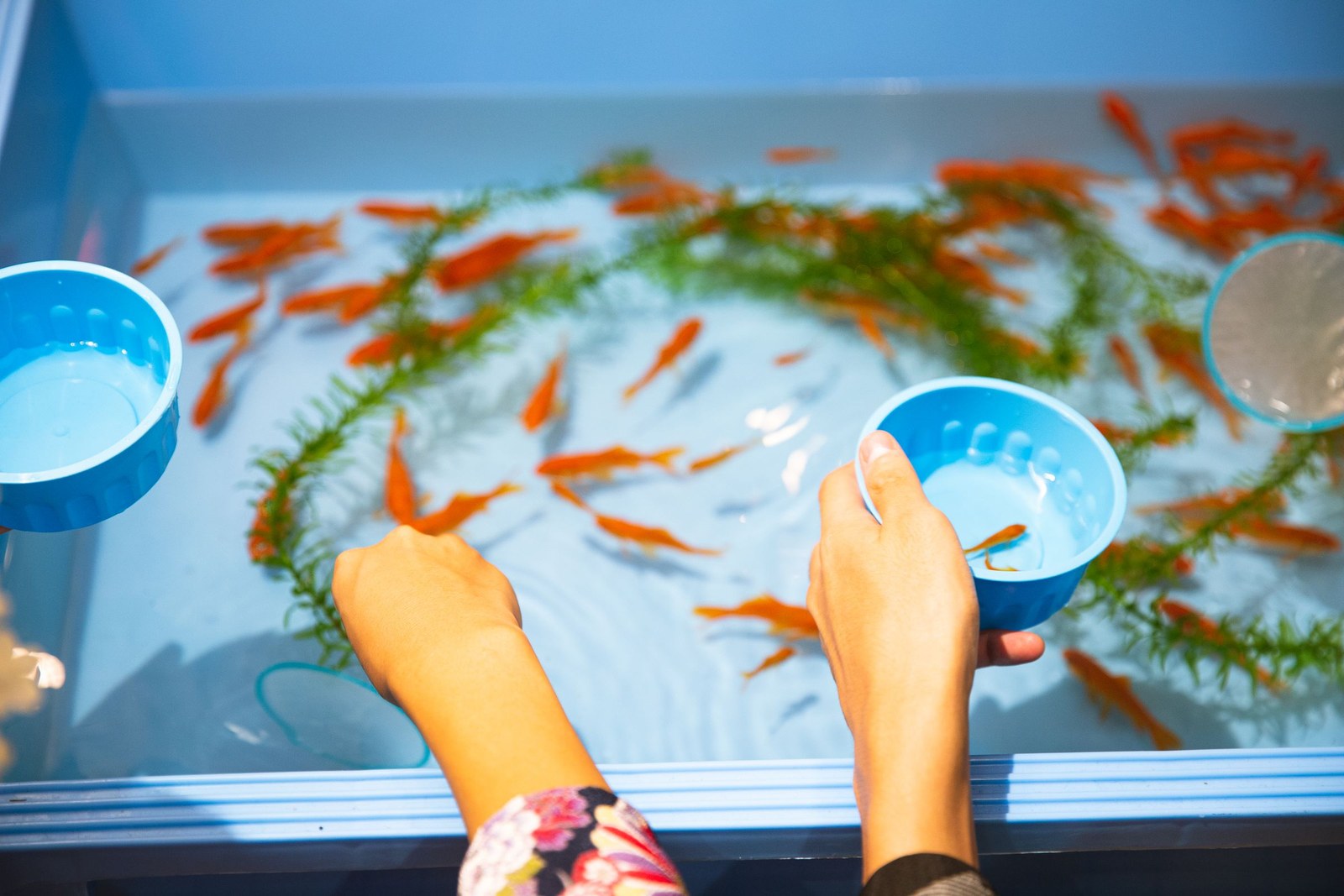
Preventing disease when adding new fish or plants comes down to a simple principle: assume every newcomer might carry something, and act like it. Quarantine new fish for two to four weeks, rinse and inspect new plants, never pour store water into your display tank, and don't share nets or siphons between tanks without cleaning them. Most outbreaks trace back to something added recently — a fish, a plant, even decor from another tank. Stable water, quality food, and low stress do more to prevent disease than any product marketed as a cure, because healthy, unstressed fish resist the pathogens that are always present in small numbers.
Quarantine fish like a pro
Set up the quarantine tank before you shop, with a seeded sponge filter and steady temperature. Acclimate newcomers slowly — temperature-equalize, then mix tank water in gradually over 30–45 minutes. Watch them eat; appetite is the single best early health indicator. Check daily for spots, clamped fins, rubbing, rapid breathing, or odd swimming. Two to four clean weeks and they're ready to join the community. Keep a simple log of what you observed each day — patterns only show up when you write things down.
Treat plants and decor with suspicion too
Plants can carry snail eggs, algae, and occasionally parasites or their eggs in the water clinging to leaves. Rinse new plants thoroughly in clean water, inspect leaves and roots, and trim anything mushy. A plant-only quarantine in a bucket for a week or two lets hitchhiking snails reveal themselves. Never dump the bag water from the store into your tank — net the fish out and discard the water. Rinse new decor, and avoid moving rocks or wood between tanks without a proper cleaning.
Hygiene habits that stop spread
Give each tank its own net, or disinfect shared tools between uses — a quick soak in a fish-safe disinfectant, then thorough rinsing. Wash and dry your hands between tanks. Feed from clean containers, and don't let food get damp or stale. Keep stocking gradual so the filter bacteria keep pace with new waste; an ammonia spike from too many newcomers at once is itself a disease trigger.
The stress factor nobody watches
Chasing fish around a store tank, a long hot car ride, and being dropped into water with different chemistry all spike stress hormones that suppress immunity for days. Float the bag, dim the lights, and give newcomers a calm first 24 hours. Adding fish in the evening, when the tank is quiet, often goes smoother than a midday drop-in during feeding frenzy.
How KinsLe helps
Those first critical quarantine weeks only work if observations don't get missed — and KinsLe's Care Teams let you assign feeding, water-check, and observation duties to family members with timestamped completions, so you can see exactly who checked the new arrivals and when. Everyone stays coordinated around the same fish. Care Teams inside KinsLe keep each quarantine observation, feeding, and water check assigned to a named helper, with completions timestamped so no newcomer check slips through unnoticed.