
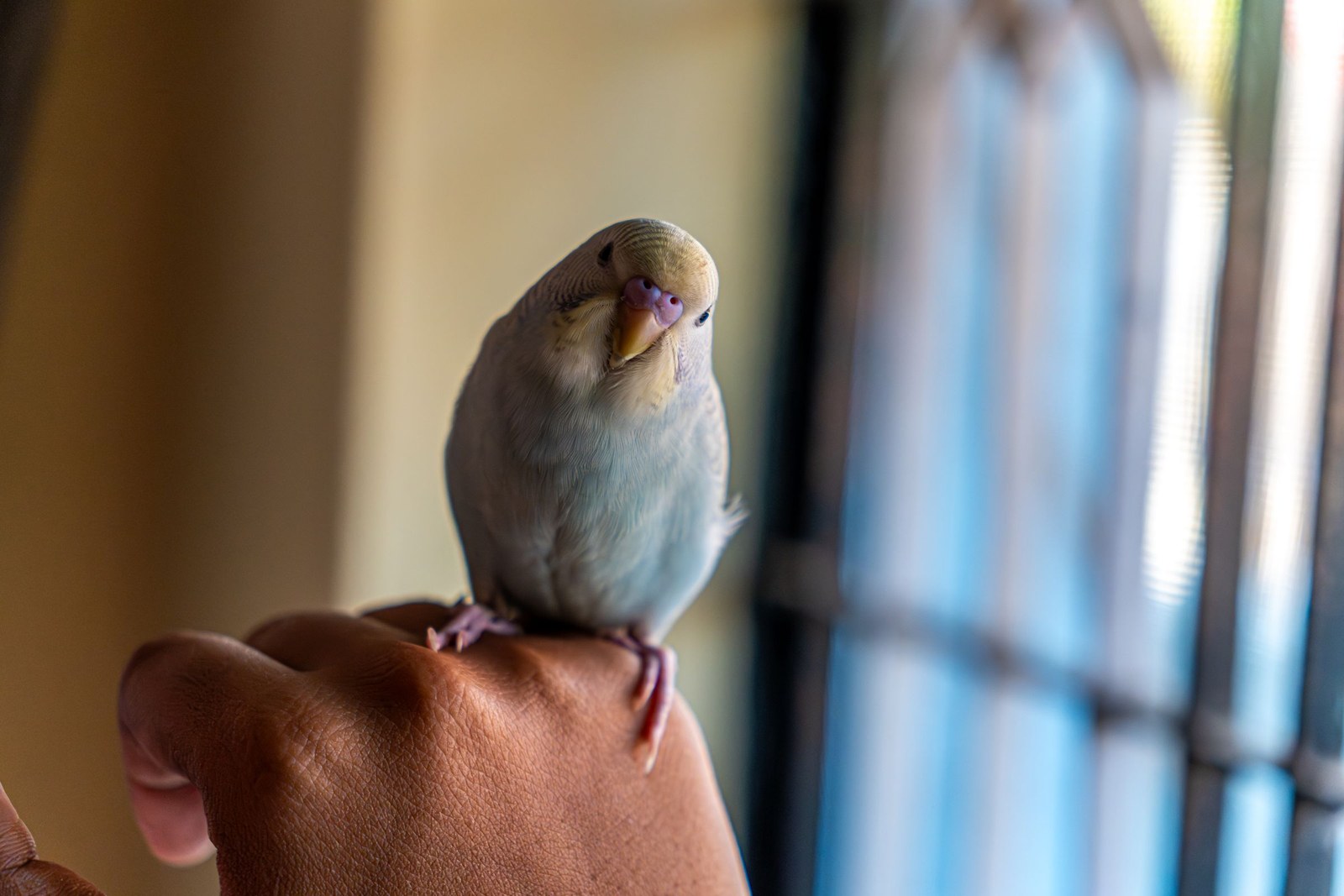
Birds hide illness instinctively, so the earliest sign is usually a change from your bird's normal routine: sleeping more during the day, sitting fluffed up on a perch, eating less, going quiet, or spending time at the bottom of the cage. Discharge around the eyes or nostrils, tail bobbing with each breath, sneezing that keeps happening, or droppings that look different in color or consistency are all reasons to call an avian vet promptly rather than wait and see.
Why Birds Hide Being Unwell
In the wild, a visibly weak bird attracts predators and can be pushed out by flock mates, so pet birds — from budgies and cockatiels to African greys and conures — retain a strong instinct to act normal for as long as they can. That means by the time signs are obvious to you, your bird may have been unwell for a while. This is not a reason to panic over every quiet afternoon, but it is a reason to take a cluster of changes seriously, especially when behavior, appetite, and droppings shift at the same time.
Think in comparisons rather than absolutes. A cockatiel who naps after lunch is not automatically sick. A cockatiel who is fluffed, silent, and ignoring a favorite millet spray two mornings in a row is showing you something different, and that difference is the signal.
The Daily Signs Worth Noting
Build a quick mental baseline during your normal routine. In the morning, is your bird alert, vocal, and interested in food and water? Are the overnight droppings on the cage paper roughly the usual number and appearance? Is breathing quiet, with no clicking, wheezing, or open-mouth effort? Does the tail stay still instead of bobbing up and down?
Watch for these specific changes:
- Sleeping with both feet down and head tucked for long stretches
- Sitting fluffed up away from toys, food, or a bonded companion
- Eating noticeably less, or pretending to eat while dropping seed
- Watery, discolored, or much fewer droppings than usual
- Crust, swelling, or discharge around eyes, cere, or nostrils
- Loss of balance, weakness, or staying on the cage floor
A kitchen gram scale is a genuinely useful tool here. Weighing a small bird weekly, at the same time of day, can reveal a downward trend before it is visible in the body, and that number is valuable information to give a vet.
What To Do When You Notice Changes
First, keep your bird warm, calm, and in familiar surroundings, and reduce handling so you are not adding stress. Offer familiar food and fresh water close to where your bird is resting, but do not force-feed or try home remedies you found online. Birds are small, their systems move fast, and well-meant interventions can make assessment harder.
Second, call an avian or exotics vet and describe what changed and when: "fluffed since yesterday, eating half as much, droppings are watery" is far more helpful than "seems off." If you see labored breathing, bleeding, seizures, or a bird who cannot perch, treat it as urgent and seek emergency care that sees birds. Do not wait through a weekend hoping a fluffed, non-eating bird will turn a corner on its own.
Be Ready Before You Need Help
The best time to solve the vet problem is on a calm week, not during a scare. Use KinsLe's Pet Services Directory to find local vets — alongside groomers, sitters, and trainers — and note which clinics actually treat birds, so the number you need is already identified when minutes matter. Saving that information alongside your bird's profile means anyone caring for your bird can find the same clinic quickly. Before a scare forces a rushed search, check which nearby clinics treat birds by using the Pet Services Directory on KinsLe.