
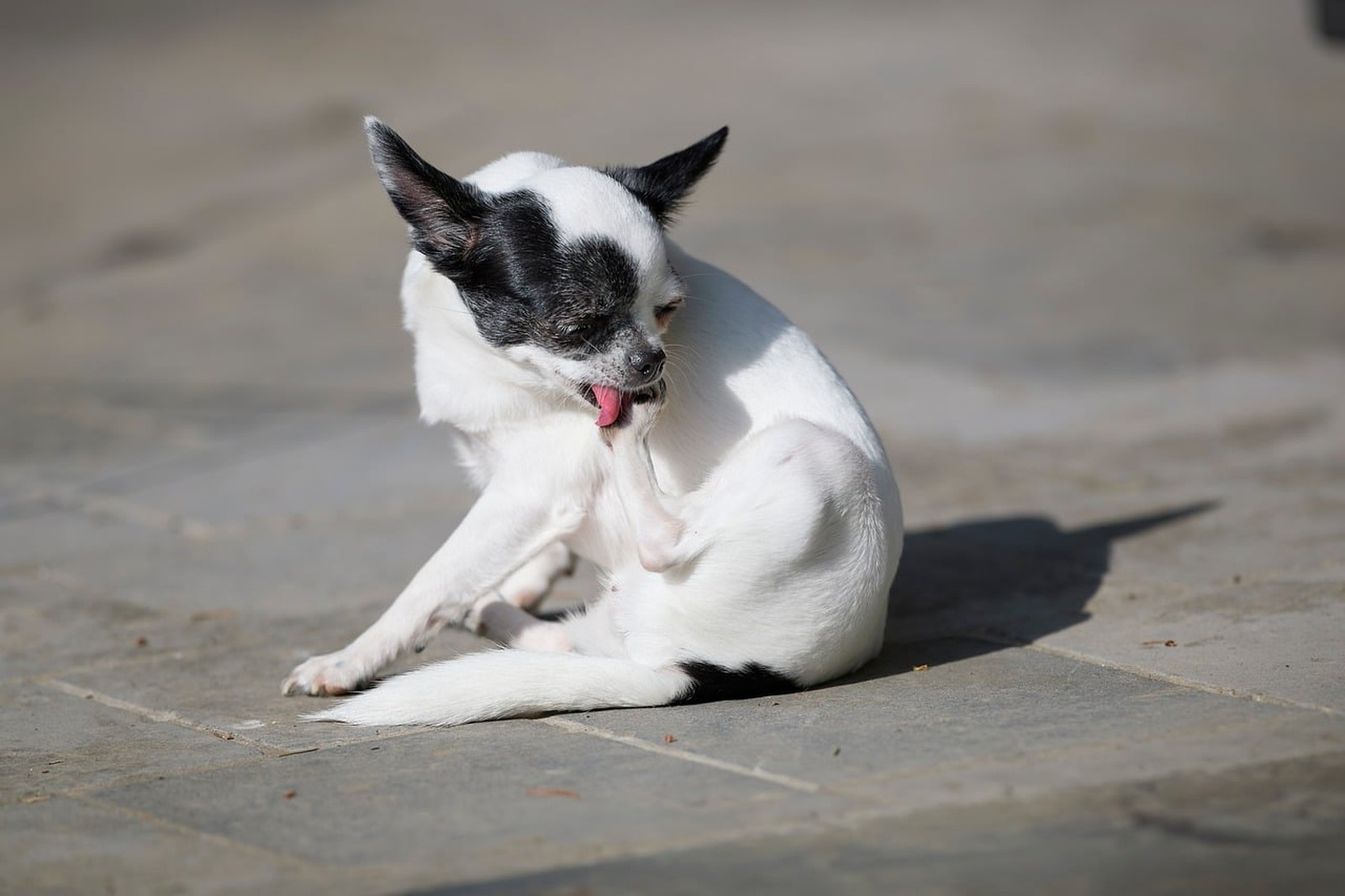
Care for cracked paw pads by washing your dog's paws in lukewarm water after walks, patting them completely dry, and applying a dog-safe paw balm to moisturize dry, rough pads — then check between the toes for stones, foxtails, cuts, or anything stuck.
Why Paw Pads Crack in the First Place
Paw pads are tough, but they are not indestructible. Hot pavement in summer, ice, snow, and de-icing salt in winter, rough trails, gravel, and long runs on concrete all wear and dry the surface. Frequent licking, allergies, and walking on chemically treated lawns can add irritation. Active breeds like Australian Shepherds and Pointers that cover many miles may crack pads simply from overuse on hard ground, while older dogs often have drier, less elastic pads.
A dry, rough pad with shallow surface cracks is different from a deep cut. The first usually responds to gentle home care and rest; the second needs prompt veterinary attention, especially if your dog is limping or licking constantly.
A Gentle Daily Care Routine
After walks on harsh surfaces, rinse or wipe paws with lukewarm water to remove salt, grit, and chemicals, then pat dry — including between the toes, where moisture invites irritation. Apply a thin layer of balm made specifically for dogs; products for people can contain ingredients dogs should not lick off, and a dog will almost certainly lick their paws.
Give pads a break while they heal. Choose grass or soft ground over hot asphalt, shorten walks for a few days, and test pavement with the back of your hand: if it is too hot to hold for several seconds, it is too hot for paws. In winter, rinse off salt after every outing, and consider well-fitting booties if your dog tolerates them, introducing them indoors with praise first.
Safety Warnings and Vet Visits
See your veterinarian if a pad is bleeding, deeply split, swollen, or oozing, if limping persists beyond a day, or if you suspect a burn, frostbite, or infection. Do not apply human antibiotic creams, essential oils, or bandages you have improvised without veterinary advice, and prevent licking of a seriously injured pad as your vet directs — persistent licking delays healing and can introduce bacteria.
Keep nails at a sensible length during recovery too, because overlong nails change how weight lands on the pad and can make sore feet feel worse on hard ground. Watch between the toes carefully in foxtail season. A dog who suddenly licks one paw obsessively, limps, or develops a small swollen spot may have a foxtail working into the skin, which needs veterinary removal, not home squeezing.
Sharing Paw Needs With Everyone Who Walks Your Dog
Paw care only works if every walker follows the same routine. KinsLe's Pet Passport lets you note paw sensitivities, allergies, medications, and care instructions in one records packet that you can share with vets and sitters, so a sitter knows to wipe and check paws after every walk without you repeating the briefing each time. Pet Passport on KinsLe carries those paw-wipe, balm, and between-toes check instructions inside a shareable packet, ready when a sitter or a new clinic needs the full history.