
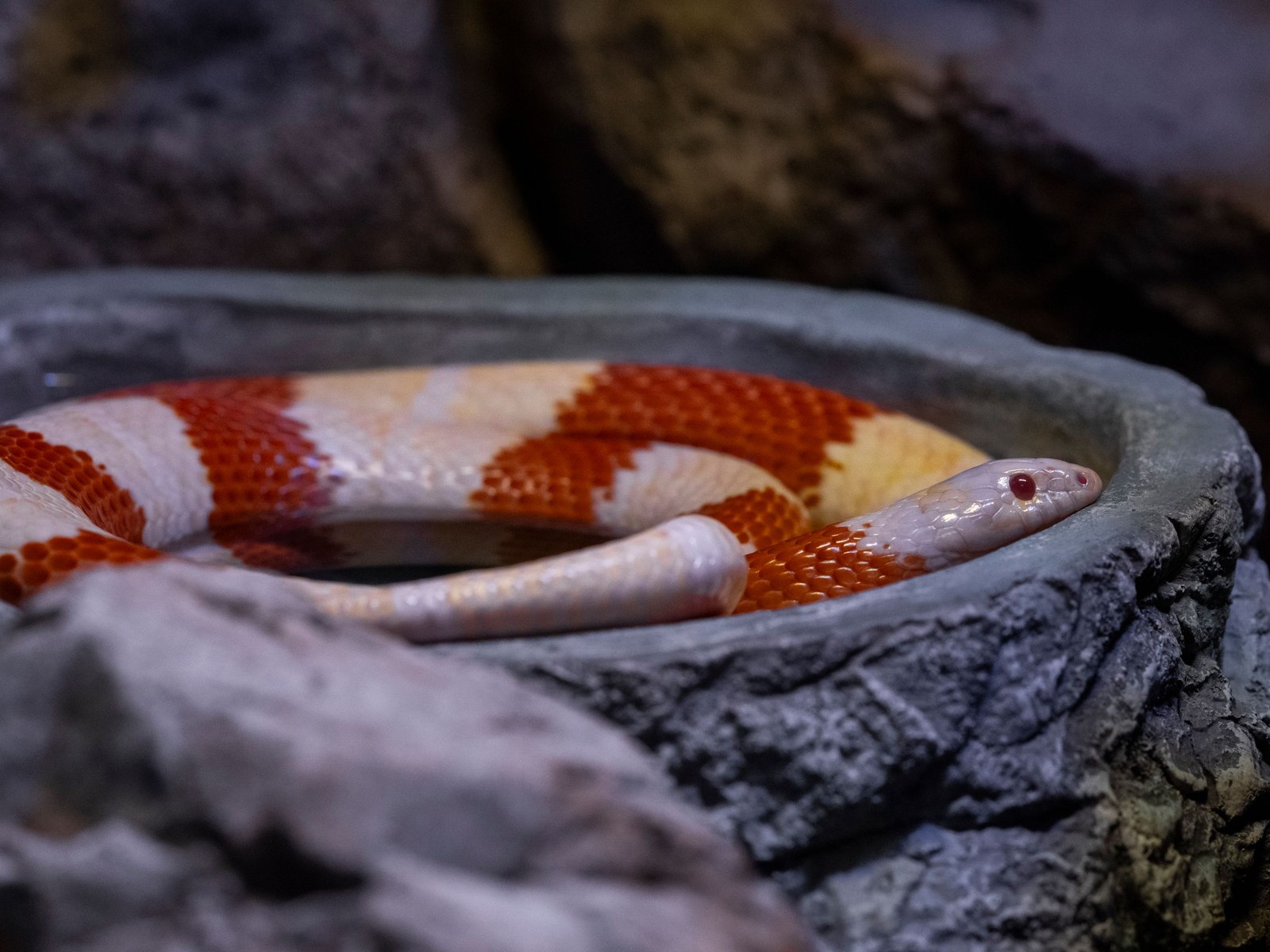
Create the right temperature gradient for your snake by heating only one end of the enclosure with a heat source controlled by a thermostat, leaving the other end at room-influenced cool temperatures, and measuring both ends at ground level where your snake actually lives. Your snake then shuttles between the two, warming up to digest and cooling down to rest. Without that choice, a snake cannot regulate its body temperature, and almost every other part of its health suffers quietly.
Why a gradient is not optional
Snakes are ectotherms, meaning they borrow heat from their environment instead of making their own. Digestion, immune function, and activity all depend on reaching preferred temperatures at the right times. A uniformly warm enclosure is not a kindness, it is a trap: the snake has nowhere to cool down. A uniformly cool one is just as bad, leading to refused meals and sluggish digestion. Species differ in their exact ranges, so look up your snake's needs specifically. A ball python, a corn snake, and a boa do not want identical numbers.
Setting up the warm side safely
Place your heat mat under one end, or your radiant heat panel or ceramic emitter above it, and connect it to a thermostat without exception. Unregulated heat sources can overheat badly enough to burn a resting snake, and burns are among the most common preventable injuries vets see in pet snakes. Set the thermostat probe where the snake rests, on the warm-side floor or basking surface, so the device controls the temperature your animal experiences, not the air nearby.
Provide a hide on the warm side so your snake can be warm and hidden at once, and a second hide on the cool side for the opposite choice.
Measuring honestly, at snake level
Put digital thermometer probes at ground level on both ends. Measuring halfway up the glass tells you about air your snake rarely sits in. An infrared temperature gun is excellent for spot-checking surfaces, especially under hides where probes get knocked loose. Read both ends daily for the first week of any new setup, then regularly after that, and recheck whenever seasons change, because a room that cools at night in winter can drag the cool end far lower than you expect.
If both ends read almost the same, the enclosure may be too small for a gradient, the heat source may be too powerful for the space, or the room itself may be too warm. Adjust wattage, ventilation, or placement one change at a time.
Reading your snake's feedback
Your snake votes with its body. Spending all its time on the cool side and soaking often can suggest the warm side runs too hot. Never leaving the warm hide and refusing food can suggest it cannot get warm enough, or that the cool side is far too cold. Use those clues alongside thermometer readings, not instead of them, and keep notes for a couple of weeks before making big changes.
Seek a reptile veterinarian's help if you notice burns, wheezing, or repeated regurgitation, as those need professional assessment rather than more tweaking at home.
Keeping the gradient steady when you are away
A gradient only works if everyone caring for the snake maintains it the same way. Write the warm and cool targets down by the enclosure, so anyone covering a weekend works from the numbers on the page rather than guessing at thermostat settings. Give relatives you pick access to its profile via KinsLe Family Sharing, so chosen family members can open this snake's profile themselves while you are away.