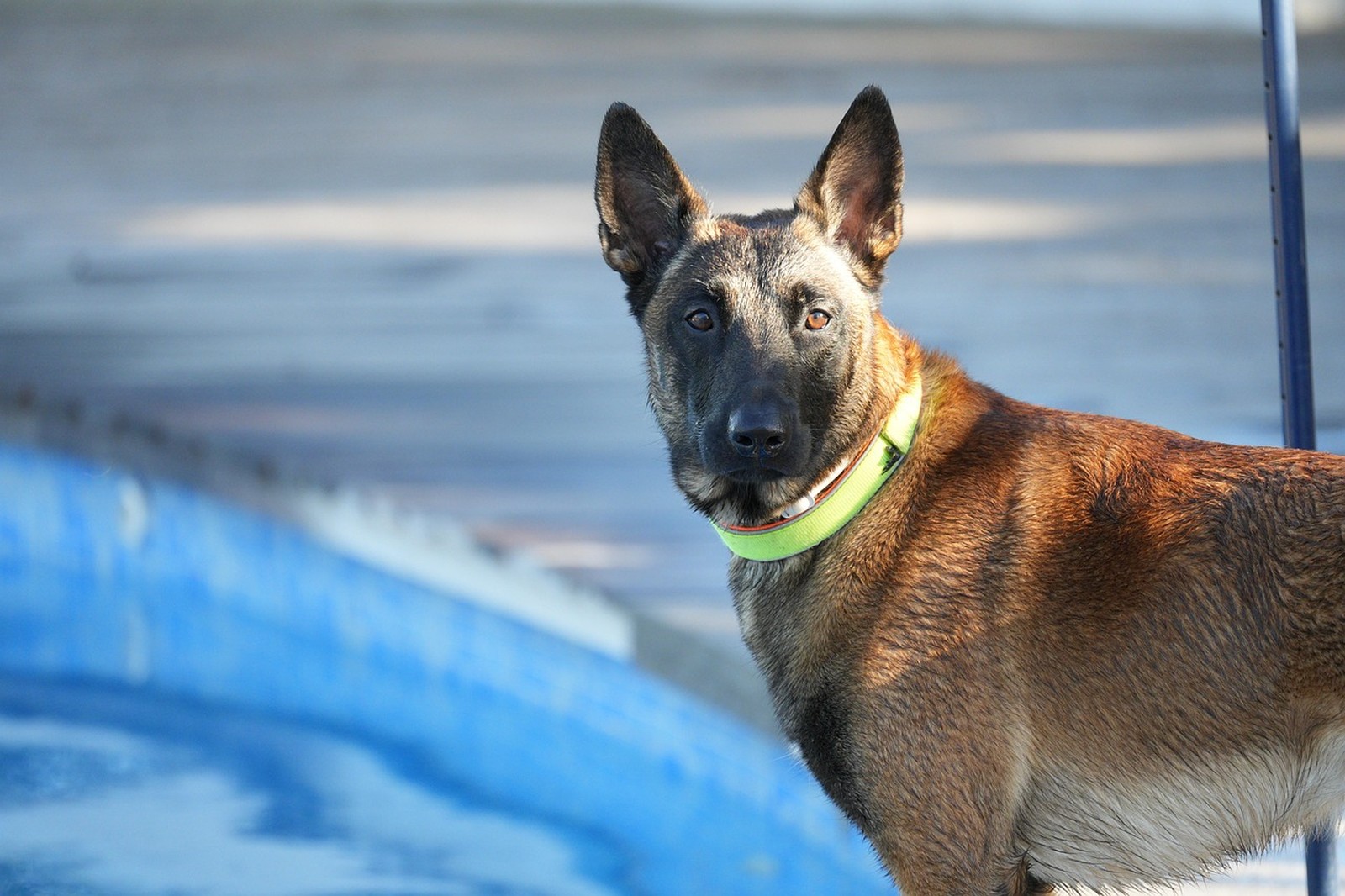
Start Where the Working-Dog World Lives
Belgian Malinois are bred, trained, and rehomed inside a distinct working-dog culture, so start there: the national breed club's breeder and rescue referrals, local protection-sport and herding clubs, and the Malinois-specific rescue organizations that specialize in this breed alone. Attending a club training day tells you more in an afternoon than weeks of scrolling listings — you will see adult Malinois at full intensity, meet the people who breed and place them, and hear honestly whether your life sounds like a Malinois life.
That last part matters because this breed's popularity in films and social media has outrun the supply of suitable homes. The channels closest to the breed know it, and they guard their dogs accordingly.
What a Responsible Malinois Breeder Does
A responsible breeder produces Malinois for a purpose — herding, protection sport, detection, or service work — and can show you breeding dogs actually doing that work, with the stable, confident temperaments the work demands. Health screening covers hips, elbows, and eyes at minimum, with results you may see. Litters are raised with deliberate early socialization and environmental exposure, because a Malinois puppy's first weeks shape a very powerful adult.
Expect the matching to run the breeder's way. Good Malinois breeders assign puppies to buyers based on drive and temperament rather than letting families choose by color or the cutest photo, and they will ask detailed questions about your dog experience, your training plans, and the job or sport you have in mind. A breeder who tries to talk a first-time, pet-only home out of the breed — or steers them to a lower-drive puppy or a different breed entirely — is demonstrating exactly the responsibility you are looking for.
Malinois Rescue: The Adolescent Opportunity
Breed rescues are consistently full of Malinois between eight months and two years old — the age when an under-exercised, under-trained puppy becomes an intense, destructive young adult and overwhelmed owners surrender him. For an experienced home, this is a genuine opportunity: a foster-based rescue can tell you the dog's real drive level, sociability, and behavior in a house, things no puppy buyer can know in advance.
A good Malinois rescue evaluates dogs for temperament and drive, places them only in homes with relevant experience, and is blunt about each dog's needs. Be equally blunt about yours. If the rescue suggests a particular dog is too much dog for your situation, believe them — they are reading a match they have seen fail before.
Sellers Who Should End the Conversation
Walk away from anyone marketing Malinois as status symbols, emphasizing size, aggression, or exotic colors; from sellers with puppies perpetually available and no working credentials; and from anyone willing to sell a high-drive puppy to a novice home without a single probing question. A Malinois sold casually becomes, very often, a Malinois surrendered at ten months — or worse, a liability in between. Online marketplaces and parking-lot sales are where this breed's worst placements begin.
The right source — a proving breeder with a waitlist or a rescue that interviews you thoroughly — is worth the patience and the scrutiny. And once your Malinois is home and the real training begins, KinsLe's Pet Services Directory helps you find experienced local trainers and other trusted pet businesses equipped for a dog of this caliber.