
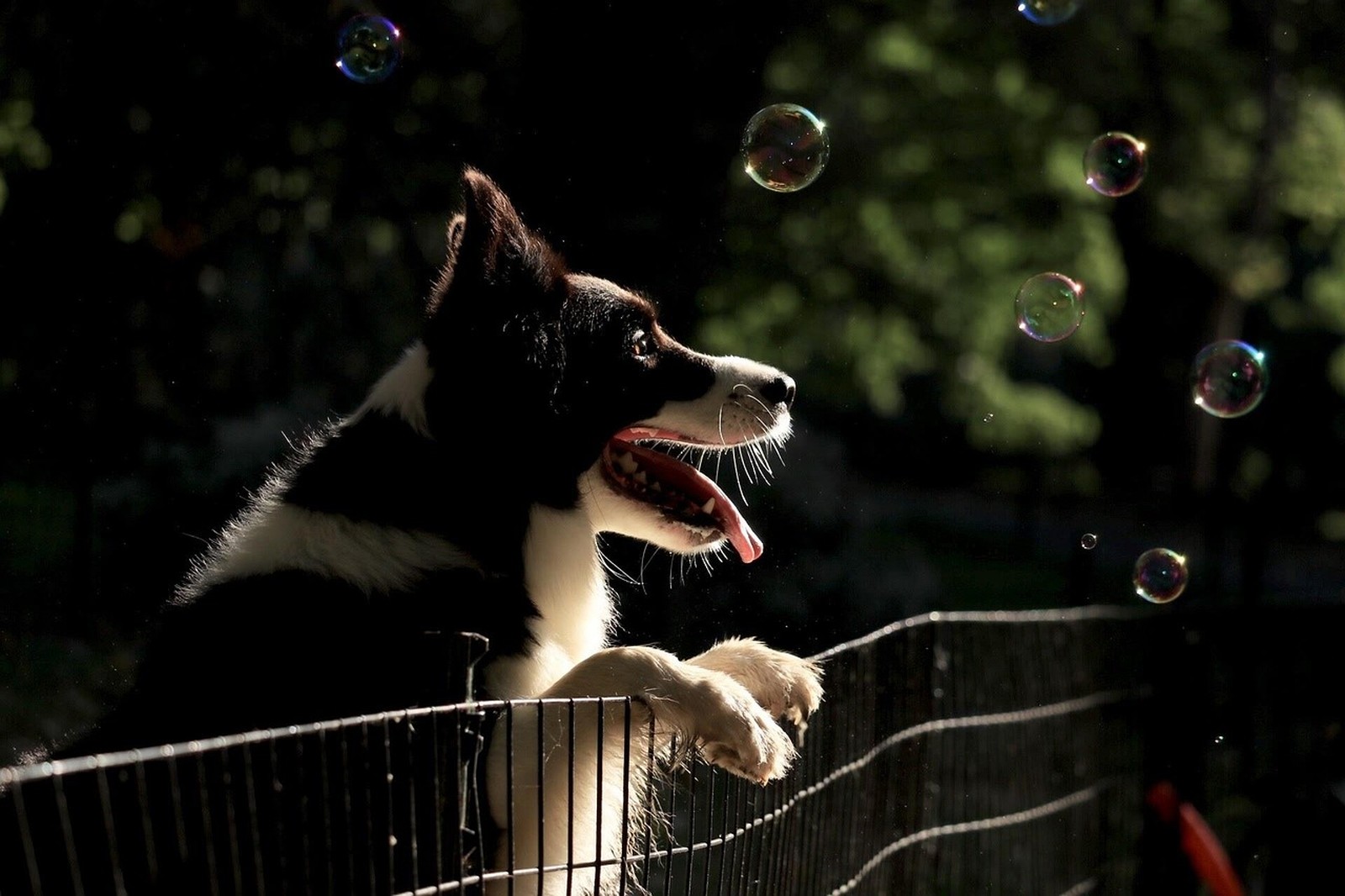
Start where Collie drive is described honestly
Border Collies are easy to find and easy to get wrong, so begin with breed-club referrals, working sheepdog breeders, and rescues that specialise in collies. The first conversation tells you most of what you need: a good source describes energy, sensitivity, and herding instinct in plain terms and asks what your dog's days will look like. A seller who talks mainly about coat colour, mismatched eyes, or how clever the puppies will be is selling the look of the breed rather than its reality.
Ask whether the parents work sheep, compete in agility or obedience, or live as active companions, because those are meaningfully different dogs to live with. A puppy from strong working lines may spend an evening trying to herd your children, organise your other pets, and stare at anything that moves. The right breeder helps you choose the line that fits your experience instead of simply offering whichever litter is ready.
Health screening and early raising in a Collie litter
Ask for the parents' eye examinations and hip results, and what inherited conditions the breeder screens or tests for in their lines. A careful breeder answers in specifics, keeps records across generations, and breeds from dogs whose temperaments they know under pressure, on livestock or in competition, not only in the kitchen.
How the puppies are raised matters just as much. Collie puppies should be handled daily, introduced gradually to sounds, surfaces, people, and short car journeys, and given things to explore and solve. A litter raised in a quiet shed with little stimulation can produce puppies that are sharp and reactive in a busy town home, while well-socialised puppies from the same breeding have a far better start at settling in the real world.
Why rescue is often the smart Collie route
Border Collie rescues are full of bright young dogs surrendered for entirely predictable reasons: herding and nipping at running children, chasing bikes and joggers, barking at windows, or inventing destructive projects in homes that offered a walk but no work. That history is useful information, not a mark against the dog. In a foster home with stock, training, or an active routine, the same dog often settles remarkably.
Ask the rescue what this dog does with its brain all day, how it behaves around livestock, traffic, children, and other dogs, and what training the foster carer has started. An adult Collie lets you see the finished intensity rather than guessing at it from an eight-week-old puppy, and a specialist rescue will match that intensity to homes offering hill walking, training classes, dog sports, farm work, or similarly absorbing days, and will decline a match that offers too little.
Red flags when choosing a Collie source
Be wary of breeders producing litter after litter with no work, sport, or health record behind the parents, and of anyone who promises a calm, low-maintenance family dog without asking a single question about your routine. A Border Collie that is bored is rarely a dog that rests; it is a dog redecorating, escaping, or fixating, and a responsible source knows it and says so.
Also be cautious of colour-driven breeding, where unusual markings command attention while temperament, soundness, and screening go unmentioned.
Take the training story home with the dog
Collect more than paperwork when your Collie comes home: what cues they already know, what triggers the herding chase, how they travel, what games or training settle them, and the full health record. For a rescue dog especially, the foster carer's notes on triggers and successes are the difference between repeating mistakes and building on progress. On KinsLe, Transferrable Profiles keep that training history, health screening, and background attached to your Border Collie, so the work already done with them is never lost in the move.