
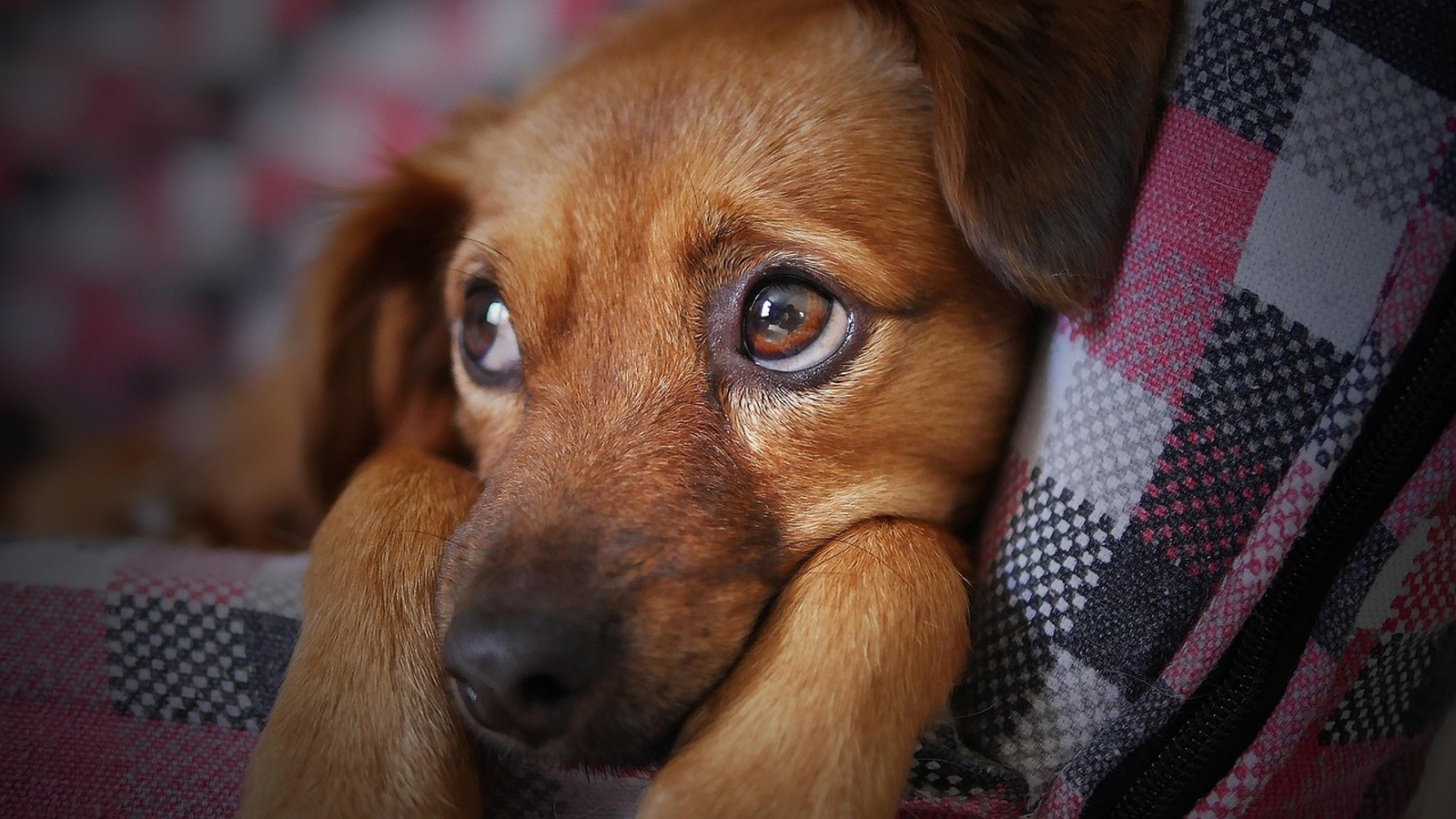
Get your puppy used to car rides by starting with the car parked: let him explore it, earn treats in it, and sit in it with the engine off before you drive anywhere. Then build up through very short, happy trips to fun places. Puppies who learn the car gradually, in minutes rather than hours, are far less likely to grow into adults who drool, shake, or get sick on every drive.
Why Puppies Struggle With Cars at First
A car is a strange package for a young puppy: unfamiliar smells, a moving floor, engine vibration, and motion his inner ear has never had to process. Puppy nausea is genuinely common — the balance system is still maturing — and one long, miserable first ride can teach a lasting lesson that cars predict feeling awful.
Timing matters, too. For many puppies, the first car rides are the trip home from the breeder or shelter and then a string of vet visits involving pokes. If every ride ends somewhere scary, the car itself gets blamed. Your job in the first weeks is to stack the evidence the other way: most rides are short, boring in a good way, or end somewhere fun.
The Step-by-Step Build-Up
Move at your puppy's pace — a step that produces whining and scrambling needs repeating, not pushing through:
- Parked and off: Open the doors, let him sniff around, feed a few great treats inside, play for a minute, and get out. Repeat over a few days.
- Parked and running: Same games with the engine on, so the sound and vibration become background.
- The driveway shuffle: Roll to the end of the driveway and back. Treats, praise, done.
- Around the block: A two-minute loop, then home to something good.
- Short and happy destinations: A friend's yard, a quiet park, a drive-through where he gets a tiny treat — trips of five to fifteen minutes that end well.
Keep him secured from the start, in a small crate or puppy harness in the back seat, so the safe setup is simply “how cars work” rather than a new rule imposed later. A non-slip surface under him helps; sliding around amplifies both nausea and worry. Crack a window for fresh air, keep the car cool, and avoid feeding a full meal right before practice — an empty-ish stomach travels better.
Handling Nausea and Wobbles
Drooling, lip-licking, yawning, whining, and eventually vomiting are the classic signs. If your puppy shows them, shorten the steps, increase the fresh air, and face him forward in the vehicle where possible. Most puppies improve with maturity and gentle exposure, but if sickness persists, is severe, or worries you, ask your veterinarian for guidance before a long trip — do not simply hope a four-hour drive will go better than a four-minute one did.
Never leave a puppy alone in a parked car during this training or any other time, and leash him before opening doors at any destination. Young dogs bolt toward interesting smells with zero traffic sense.
Making Practice Actually Happen
The method only works with repetition — a handful of tiny sessions across the first weeks beats one heroic effort. That is easy to intend and easy to forget between feedings, training, and everything else a new puppy demands.
KinsLe's built-in AI assistant, Kimmy, can remind you to fit in those short practice rides while your puppy is still learning the world, alongside other puppy-care nudges you set up. You can turn to the Kimmy assistant within KinsLe with follow-up questions on drooling, lip-licking, or backing up a step, and its answers come out of the KinsLe Answers library.