
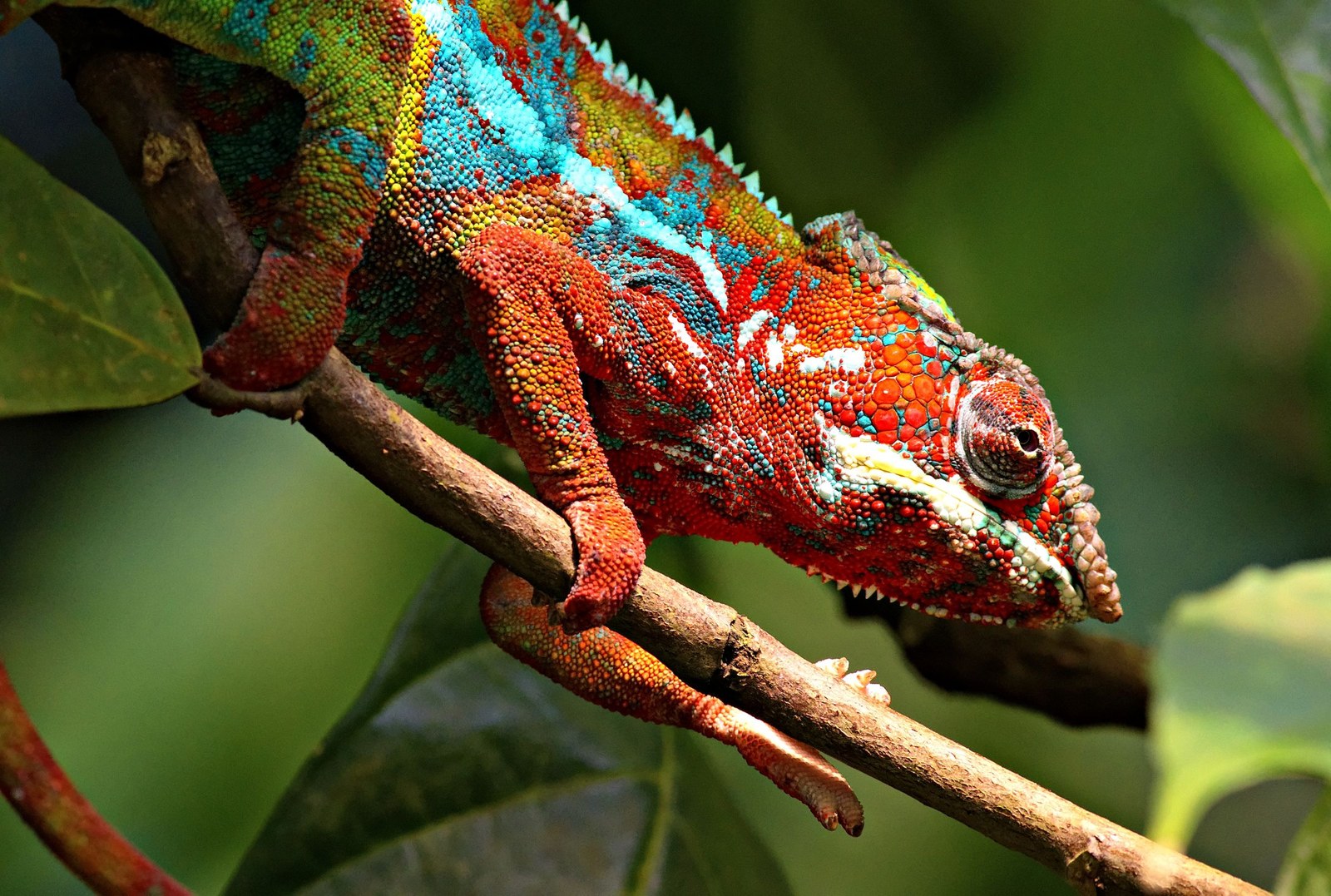
Keep humidity right for your chameleon by letting it rise and fall through the day rather than staying constantly high: mist in sessions, lean on live plants, ensure good airflow, and let surfaces dry between mistings. A permanently soaked enclosure grows mould, harbours bacteria, and still may not give your chameleon what it actually needs, which is humid air at times, dry-out periods, and leaf droplets to drink from. Think rhythm, not swamp.
Why peaks and troughs beat constant damp
In their natural habitats, many chameleons experience humid nights and misty mornings that dry as the day warms. Reproducing that swing at home is healthier than pinning humidity at one high number around the clock. A digital hygrometer placed at mid-height, away from direct misting spray, tells you the honest pattern across the day. One reading at one moment tells you almost nothing, so check morning, afternoon, and evening for a few days when you set up a new routine, and note how your home's heating or air conditioning shifts things between seasons.
Misting with a purpose
Mist long enough to wet the leaves thoroughly and create drinkable droplets, commonly a few minutes at a time, a few times a day depending on your species and home conditions. Many keepers also run a dripper that slowly releases water onto leaves for extended drinking opportunities. Watch your chameleon drink: a healthy, hydrated chameleon laps droplets from leaves, and you want to see that behaviour regularly.
Drainage matters as much as input. Water should not pool at the bottom. Use a drainage layer, a tray, or a simple drain setup so the enclosure base dries rather than becoming a stagnant puddle that breeds problems beneath your pet.
Live plants do quiet, constant work
Pothos, umbrella plants, and other chameleon-safe live plants raise ambient humidity gently through transpiration, hold droplets beautifully after misting, and give your chameleon natural drinking and hiding surfaces. They also improve airflow patterns compared with a box of plastic, because real foliage layers create microclimates at different heights. Rinse new plants and consider repotting them in safe soil before installation, since nursery plants may carry fertilisers or pesticides you do not want near a pet that drinks off leaves.
Airflow, mould, and the dry-out rule
Screen enclosures make humidity harder to hold but far easier to keep healthy, because air moves. In glass or hybrid enclosures, be stricter about dry-outs. If surfaces never dry, you will eventually see mould on branches and substrate, and respiratory health becomes a concern. Wipe visible mould promptly, replace porous decor that stays funky, and increase ventilation or lengthen the dry period between mistings. A chameleon with gaping, excess mucus, or wheezing needs a reptile veterinarian, not more humidity experiments.
Also avoid chasing numbers by sealing the enclosure shut. Stagnant, saturated air is the one outcome worse than humidity that runs a little low for part of the afternoon.
Coordinating the misting routine
Humidity routines fall apart when several people help and nobody knows who misted last. KinsLe Messenger is the per-pet communications hub, and it gives everyone helping with your chameleon one thread to coordinate misting times, dripper refills, and hygrometer readings for that specific pet, instead of scattering updates across group chats. A quick message, misted at five, leaves dry by seven, keeps the rhythm visible to the whole care circle. Logging the last misting time, the dripper refill, and the evening hygrometer reading in the KinsLe Messenger thread on KinsLe keeps every helper for this chameleon working from the same notes instead of guessing.