
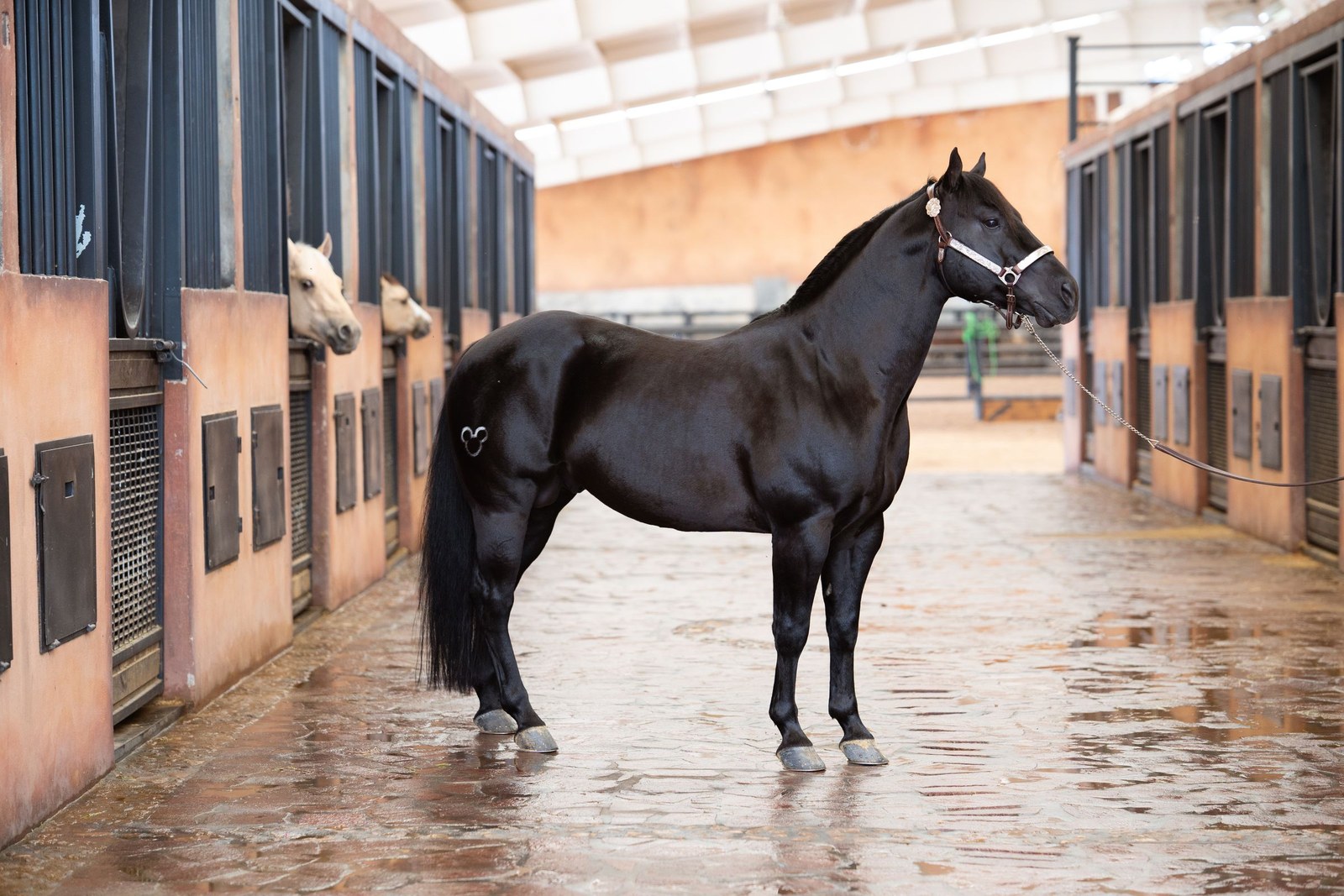
The secret to a healthy coat between baths is not more shampoo — it is regular currying, sensible feeding, and parasite control. Curry combing lifts dirt and dead hair, stimulates the skin, and spreads natural oils along the hair shaft, which is what actually creates shine. Frequent shampooing can strip those oils and dry the skin, so for most horses, daily grooming beats frequent bathing by a wide margin.
Grooming That Actually Builds a Coat
Work in a rhythm. Start with a rubber curry in small circles to loosen dried mud, dander, and shedding hair — most horses lean into it, and it doubles as a massage that brings blood flow to the skin. Follow with a stiff dandy brush using short flicking strokes to sweep away what the curry lifted, then a softer body brush for the face, legs, and a final polish. A clean, slightly damp cloth wiped over the coat picks up the last dust before a ride or photo.
Keep brushes clean too; a filthy brush just redistributes grime. Mane and tail need gentler handling — pick debris out by hand, detangle from the ends upward, and avoid ripping through knots with a brush, which thins the tail over time. During spring and autumn shedding, extra currying (and patience) is the whole program.
Feeding the Coat From the Inside
Hair is built out of what your horse eats. Good forage as the diet's foundation, an appropriate source of minerals and vitamins to balance that forage, and adequate — not excessive — protein support skin and coat quality. Horses on poor pasture or hay alone often show it first in a dull, rough, or faded coat. Omega-3 sources such as flax are popular for shine, but any supplement change is worth discussing with your veterinarian or an equine nutritionist, especially for horses with metabolic conditions where extra calories are unwelcome.
Fresh water matters more than people expect: a horse drinking poorly will not produce a glowing coat, whatever you brush on the outside.
The Coat as an Early Warning System
Because you see and touch the coat daily, you are well placed to notice change. Watch for:
- A sudden dullness or roughness in a horse who normally shines
- Hair loss, scabs, bumps, or rain rot patches along the back and hindquarters in wet weather
- A winter coat that fails to shed in spring, which can be a sign worth raising with your vet, particularly in older horses
- Excessive itching, rubbed mane or tail, or sweet-itch patterns in summer
- Lice or mites in winter coats, especially in young, old, or debilitated horses
A dull coat that changes suddenly is not a grooming problem to brush harder at — mention it to your veterinarian. Coat changes can reflect nutrition, parasites, dental trouble, or underlying illness, and your observations about when it started are genuinely useful evidence.
Everyday Habits That Help
Blankets and sheets should be clean and well fitting, since a dirty, rubbing rug dulls and breaks hair. Rinse sweat off after hard work in summer — dried sweat irritates skin and fades color — even if a full bath is unnecessary. Fly control in season reduces the rubbing and stomping that wreck coats and manes.
Keeping a Record of Coat Changes
KinsLe's Pet Passport, the records packet for your horse, is a handy place to log coat changes alongside feed adjustments, deworming notes, vaccines, and vet visits — so when something shifts, you have dates and context rather than a vague memory that he looked better in March. That packet can be shared with your vet when a change needs investigating. Record each noticeable shift in shine, shedding, or skin in the Pet Passport on KinsLe alongside dated feed changes, so your vet can see what changed and when.