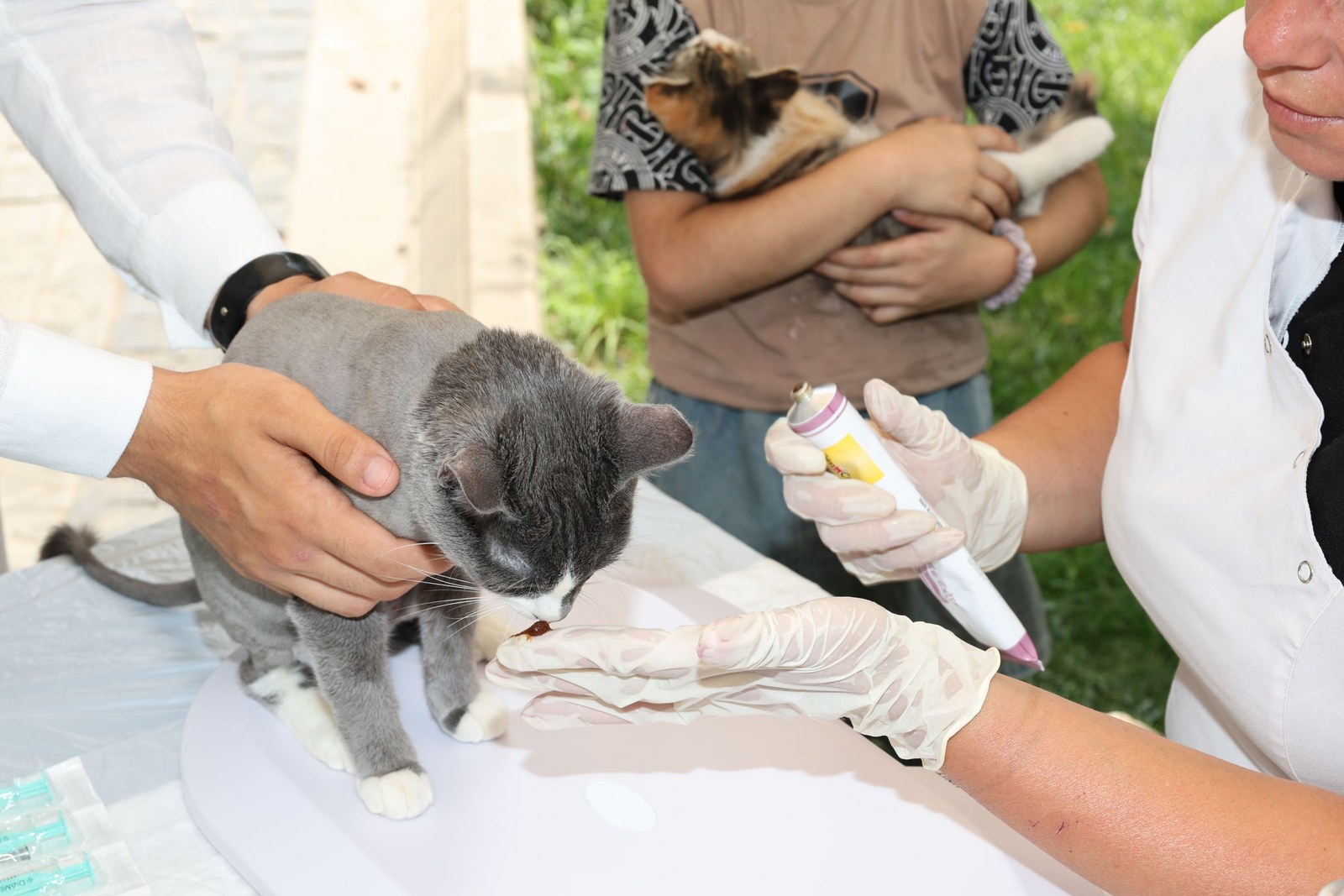
Keep a written routine for every medication — its name, when each dose falls, and whether it is given with food or apart from it — then work through an identical checklist each day, so no dose is ever doubled or missed. The system matters more than willpower, especially on tired evenings and busy mornings.
Write the routine down once, properly
Memory is where medication routines go to fail. Write out each medication with its name, what it treats, the dose schedule exactly as your vet directed, and any handling notes: with food or on an empty stomach, hidden in a treat or given directly, refrigerated or room temperature. Keep the list on the fridge or wherever the medications live. If your vet changes anything, update the written routine the same day and throw the old version away — two conflicting instruction sheets in one kitchen is how double-dosing happens.
Use a checklist with a physical signal
A checklist only works if marking it is inseparable from giving the dose. Good options:
- A weekly pill organizer for medications your vet agrees can be pre-sorted — an empty compartment is instant proof the dose went out
- A paper chart on the fridge with a box to tick for each dose, initialed by whoever gave it
- A phone reminder that stays un-dismissed until the dose is actually given, not just seen
The initialing habit matters most in multi-person homes. The classic accident is two family members each giving the evening dose an hour apart, both assuming the other forgot. One shared chart ends that guessing entirely.
Anchor doses to events, not clock times alone
"Twice daily" sticks better when it is tied to things that already happen: with breakfast, with your own morning coffee, right before the evening news. Anchoring survives schedule chaos — travel days, guests, holidays — far better than a bare time on the clock. Keep medications and their supplies in one spot so the routine has a home base, and keep them in original labeled containers so anyone filling in for you can verify what they are holding.
Know what to do when something goes wrong
Doses get refused, spat out behind the sofa, or simply forgotten. Decide your rules in advance by asking your vet at the appointment: if a dose is missed, do you give it when remembered or skip to the next one? The answer differs by medication, so never guess. Also note what a partial dose means for a cat who takes half and bolts. Write your vet's guidance on the routine sheet, and log refusals and misses in a few words — a pattern of refused doses is useful information at the next visit, and your vet may suggest a different form, such as a liquid or a flavored preparation.
Track the bigger picture too
Alongside doses, jot brief notes: appetite, energy, litter habits, and anything that seems like a side effect or a change in the condition being treated. This turns a daily chore into a health record. When the vet asks "how has she been on this?" you will have dates and details instead of a shrug.
How KinsLe helps
A written routine still leaves occasional questions — whether a dose belongs with food, say, or how to record a refused tablet. One more question about a dose taken with food, a refused tablet or a missed chart entry can be put to KinsLe's Kinny at any point; his replies are pulled from the library behind KinsLe Answers, while your checklist keeps the daily doses themselves in order.