
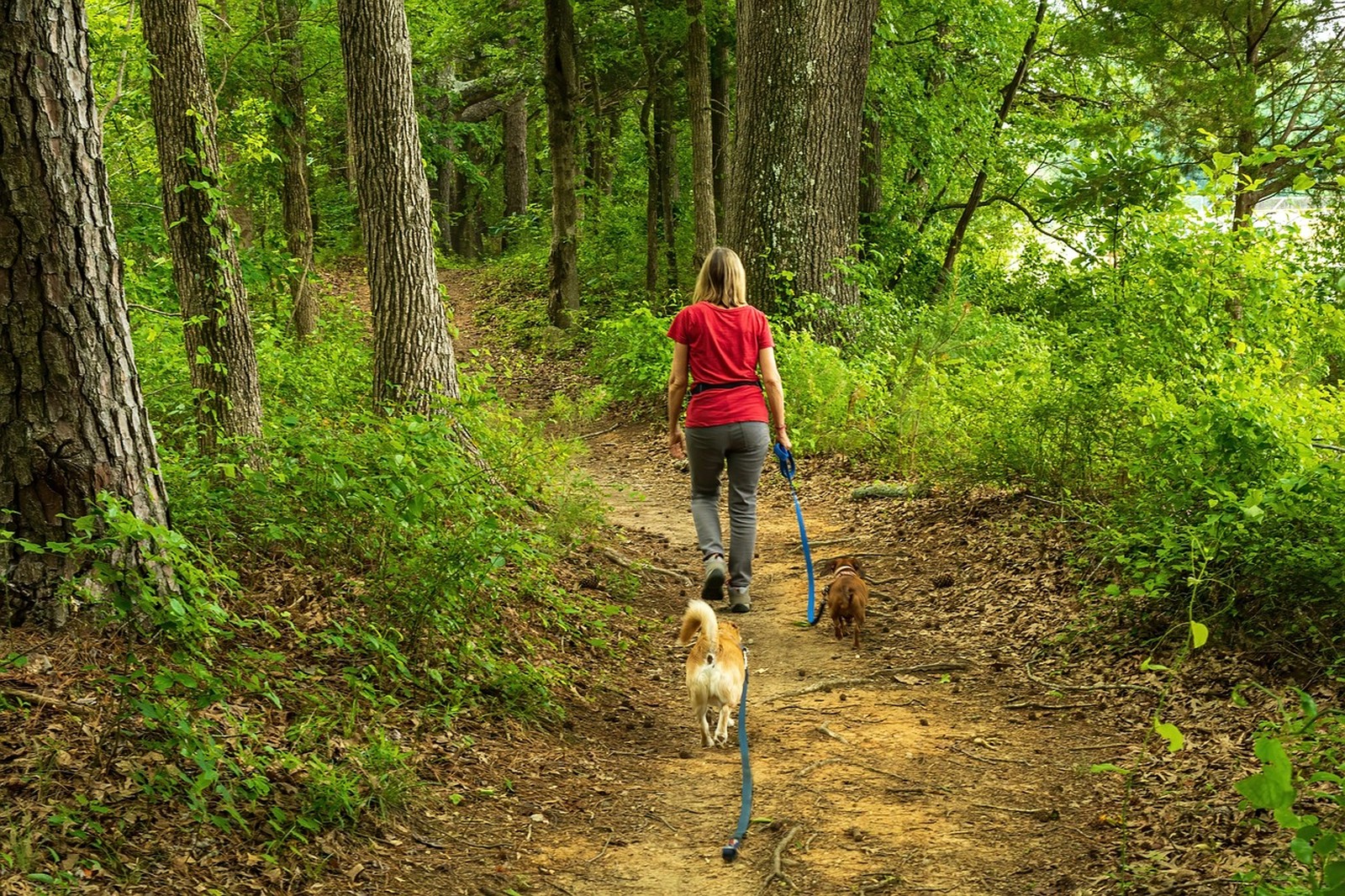
Map the New Day Honestly Before It Starts
Write out the new schedule hour by hour: when you will leave, when you could realistically return, and what your dog currently gets in between. The gap between those two pictures is the job to solve, and it is usually the middle of the day, not the edges. Most healthy adult dogs can learn to rest through a long stretch, but they need a toilet break, water check, and some human contact within it, and puppies, seniors, and dogs with health needs need considerably more. Be honest about commute overruns and late meetings too — plan for your longest realistic day, not your best one, and your dog is covered on the bad days as well as the good.
Solve the Midday Break First
Choose your midday arrangement before the job begins and test it while you are still around. Options include a professional dog walker, a neighbour or friend who genuinely wants a lunchtime dog in their life, a family member on a rota, or doggy day care on some days if your dog enjoys group play. Whoever it is, do a proper handover: feeding or water instructions, where the lead and towels live, what your dog is like with other dogs and traffic, and how to reach you and your vet. Trial the arrangement for real — have the walker come while you are out on a dummy run — so your dog meets them as part of a calm routine rather than as a surprise on your first pressured morning.
Rebuild Mornings and Evenings Around the Gap
Shift quality time to the hours you do have. Mornings become a real walk — exercise, sniffing, and a toilet opportunity, not a rushed lap — followed by breakfast and a settle-down period before you leave. Evenings become decompression: a walk at his pace, play, training, and company, rather than frantic attempts to burn off a day of rest in twenty minutes. Keep departures and arrivals boring in both directions; a dog who has rested all day and then faces an overexcited reunion learns the day is about waiting for the explosion. Feed on the new times too, so his body clock, not just his expectations, moves to the new pattern.
Train the New Routine Before the Job Does
Start at least a couple of weeks ahead if you can. Practise leaving at the new time and returning at the new time on days off, lengthen his alone stretches gradually, and pair your departures with the things that will fill his day: a frozen stuffed toy, a snuffle mat, a chew he only gets when you go. Set up his resting area where he already likes to sleep, with water, his bed, and something that smells of you, and keep that setup identical on practise days and real days.
Watch for the Dog Who Is Not Coping
Some dogs struggle even with a good midday break, and the signs show at home: destructive chewing aimed at doors or windows, toilet accidents in a previously clean dog, excessive greeting frenzy, appetite changes, or neighbours reporting barking. Take those seriously and adjust the plan — more midday time, day care on more days, a later start swapped with a partner, or help from a qualified behaviour professional if anxiety is building. Do not simply wait for him to get used to it; a dog who is distressed at week three is telling you the arrangement, not being difficult.
Coordinate the People Filling the Gap
A longer-hours life usually runs on several helpers — you in the morning, a walker at midday, a partner or neighbour in the evening — and that only works if everyone knows the plan and can see it happened. KinsLe Care Teams lets you assign each duty for your dog to the right person and have completed visits marked with a timestamp, turning a fragile chain of favours into a routine you can actually check.