
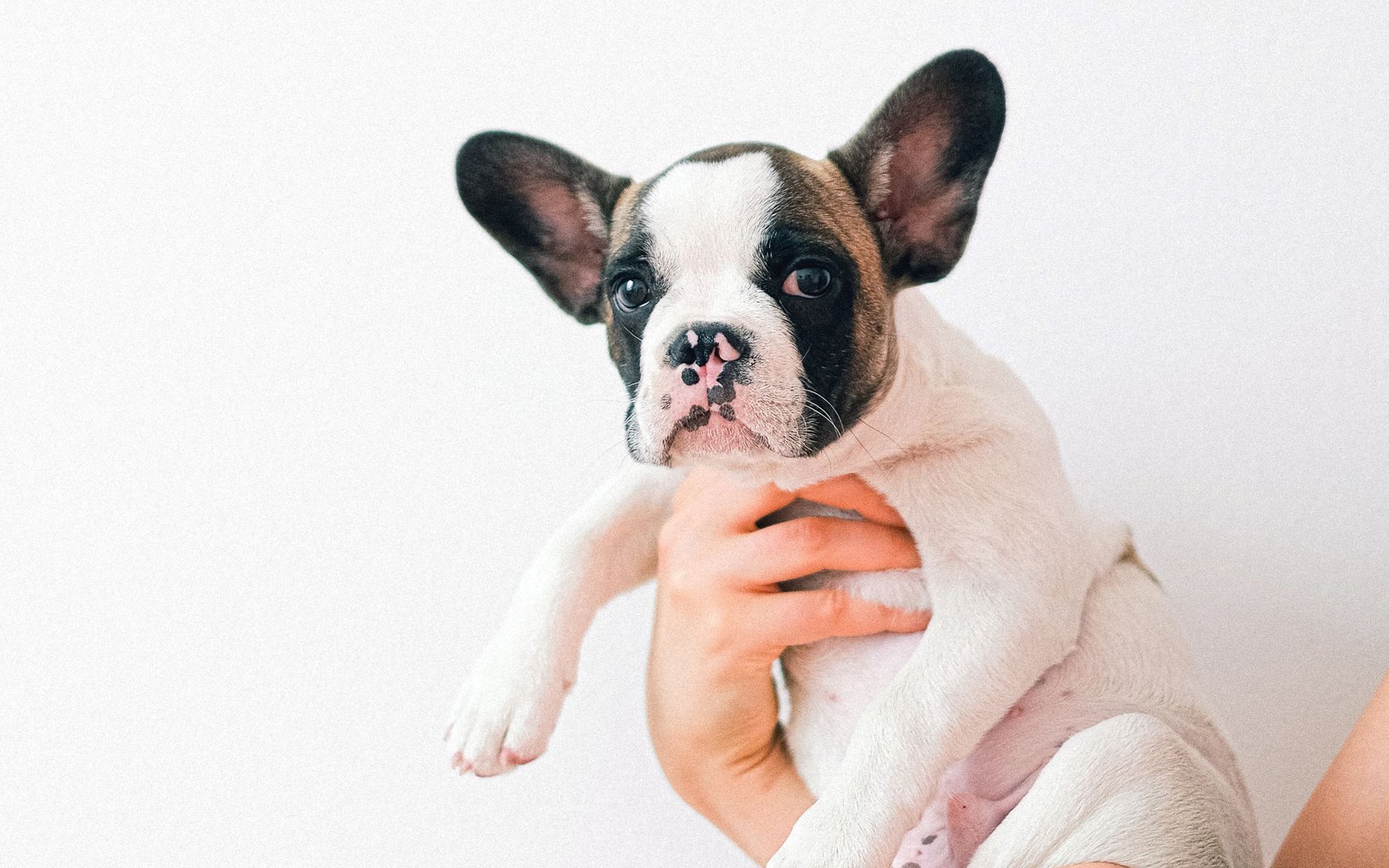
Safe puppy socialization means introducing new people, sounds, surfaces, and calm, healthy dogs gradually and at your puppy's pace — rewarding relaxed behavior, giving them space to retreat, and stopping before they feel overwhelmed. It is not about meeting every dog in the park. A short, positive experience your puppy can cope with teaches far more than a long, frightening one, and those early weeks matter because puppies are generally most open to new experiences when they are young.
What good socialization actually looks like
Think in categories rather than a frantic checklist. Let your puppy watch the world: children playing at a distance, a delivery bike passing, people in hats or with umbrellas. Let them walk — where your veterinarian says it is safe — on grass, gravel, wooden decking, and smooth floors. Play everyday sounds quietly at first, like doorbells and traffic, while pairing them with treats and play so the sounds predict good things.
With people, let your puppy approach rather than being grabbed or passed around. One calm visitor who crouches sideways, lets the puppy sniff, and offers a treat is worth more than a crowded party. If your puppy backs away, licks their lips repeatedly, tucks their tail, or tries to hide, that is information, not defiance — increase distance and try again another day at an easier level.
Meeting other dogs the careful way
Choose known, vaccinated, gentle adult dogs who are relaxed around puppies, ideally in a clean garden or quiet indoor space. Keep the first meeting brief, watch body language on both sides, and separate them before your puppy gets tired or overexcited. Avoid letting unfamiliar dogs rush up on leash or in busy areas, where you cannot control the other dog's health or manners.
A well-run puppy class led by a qualified trainer can be valuable once your veterinarian agrees your puppy is ready, because play is supervised and sessions are structured. Ask the trainer about cleaning routines, vaccine requirements for the class, and how they handle a nervous puppy.
The vaccine balance
This is the part new owners find hardest: socialization is urgent, and so is disease protection. Until your veterinarian says vaccinations are far enough along, carry your puppy in busy dog areas, use a sling or your arms for outings, and choose clean, low-risk places for them to explore on the ground. Your own home, and the homes and gardens of trusted friends with healthy dogs, are usually the starting point — but risk varies by area, so your veterinarian's local guidance comes first.
Never place a not-yet-fully-vaccinated puppy on the ground in heavily dog-trafficked spots like pet store floors or busy park entrances just to get an experience in. Watching the world from your arms still counts as socialization.
Building confidence at home
Confidence games count too. Scatter treats in a cardboard box to explore, let your puppy step onto a wobble-free cushion or a new texture for a reward, and practice gentle handling — touching paws, ears, and collar for a treat — so vet visits and grooming feel familiar. Keep sessions to a few minutes and always end while your puppy is still happy.
Finding your local puppy people
As your puppy grows in confidence, KinsLe's Circle of Love connects you with other pet lovers in the community — free users, including Pet Lovers who join free, form the network around every pet. It is a natural next step from careful early introductions to knowing the friendly faces in your neighborhood as walks and playdates become part of normal life.
Through the Circle of Love on KinsLe, those first outings can lead to swapping notes with nearby owners whose puppies once hung back too.