
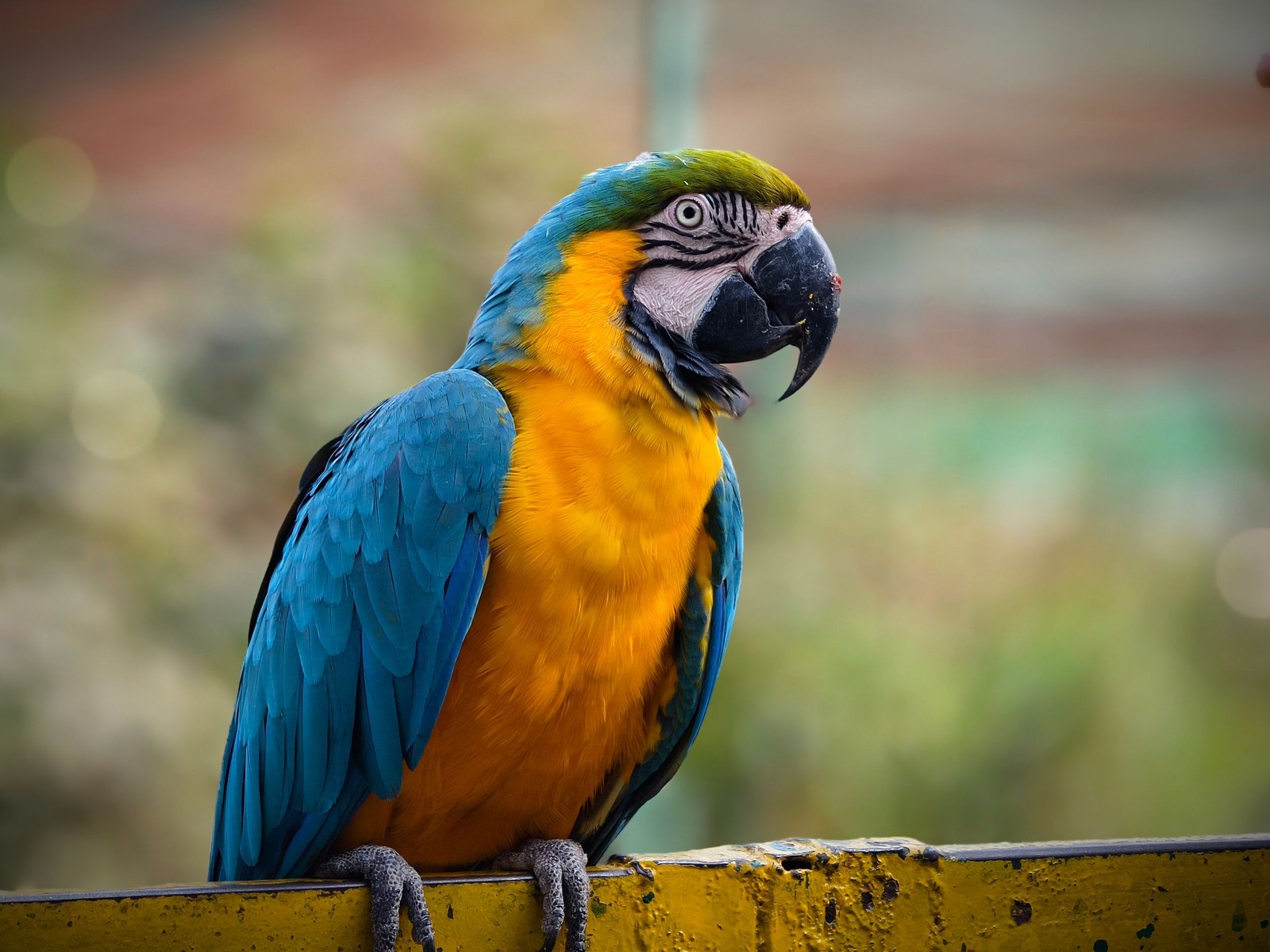
The way to stop a bird screaming for attention is counterintuitive: don't reward the screaming with attention — wait for a quiet moment, then praise and engage, so your bird learns that quiet behavior is what works. At the same time, check the basics underneath: enough sleep, toys to destroy, foraging work, and regular out-of-cage time all reduce demand calling at the source.
Why Attention Screaming Works So Well
From your bird's perspective, screaming is a brilliantly successful strategy. In the wild, a contact call gets an answer — the flock calls back, and everyone relocates each other. In your home, the call gets you: you appear, you talk, you plead, sometimes you rush over with a treat to buy peace. Even shouting "quiet!" is attention from a bird's point of view — the flock answered loudly, game on. So the behavior isn't naughtiness; it's a learned, reinforced habit layered on top of a genuine social need. Parrots and cockatoos are wired for near-constant flock contact, and a bird left alone in a quiet room for long stretches will call for its people the way it evolved to. Any plan has to change both sides: what the screaming earns, and how full the bird's day is without it.
The Quiet-Gets-Attention Method
- Wait out the storm. When screaming starts, don't look, call back, or enter the room. Brace yourself — behavior often gets louder briefly when it stops working, a normal "extinction burst."
- Catch the quiet. The instant there's a pause — even a few seconds at first — appear, praise warmly, and offer interaction or a treat. You're teaching: quiet summons the flock.
- Stretch the pause. Gradually reward longer calm stretches, and answer soft contact chirps immediately, so your bird has a polite volume that works.
- Pre-empt the predictable times. If screaming peaks when you cook, get home, or take calls, schedule engagement just before those moments — a shower perch, a foraging box, a chat while you work.
- Stay consistent for weeks. Every person who occasionally "gives in" at full volume resets the training, because intermittent rewards make habits stronger.
Fill the Day So There's Less to Demand
A busy bird screams less. Rotate shreddable toys — balsa, cork, cardboard, woven palm — so destruction is a job, not a wish. Hide food in foraging toys, paper cups, and wrapped parcels instead of serving it all in a bowl; working for breakfast can occupy a whole morning. Guarantee 10–12 hours of dark, quiet sleep, since tired birds are loud birds. Build in real out-of-cage time and, where safe, bring your bird along on a stand while you do chores — proximity is often the actual request. Teach a replacement skill too: a whistle, a wave, or ringing a bell gives your bird a charming way to ask that everyone happily answers.
When Screaming Signals Something More
Sudden increases in screaming, especially with appetite changes, droppings that look different, feather plucking, or a bird sitting fluffed and quiet between outbursts, warrant a prompt avian vet visit — pain and illness often speak through volume first. Feather-damaging behavior and screaming together also merit a behavior consultation. And be honest about fit: some large cockatoos scream at dawn and dusk at volumes no apartment can absorb — that's normal species behavior, different from attention screaming, and it needs lifestyle planning rather than training pressure.
Share the Routine So Needs Are Met First
Attention screaming thrives on gaps — the day nobody refreshed the foraging toys, the evening out-of-cage time got skipped, the early bedtime slipped. KinsLe's Care Teams let you share out a daily routine of play, foraging, social time, and wind-down, with feeding and care duties assigned to specific people and completions timestamped, so everyone can see his needs were actually met before the volume rises. When the whole household can check the day off together, "he's screaming because he's bored" stops being a mystery. Organize your bird's day on KinsLe with Care Teams, and explore more pet answers on KinsLe for turning down the volume on the rest of bird life too.