
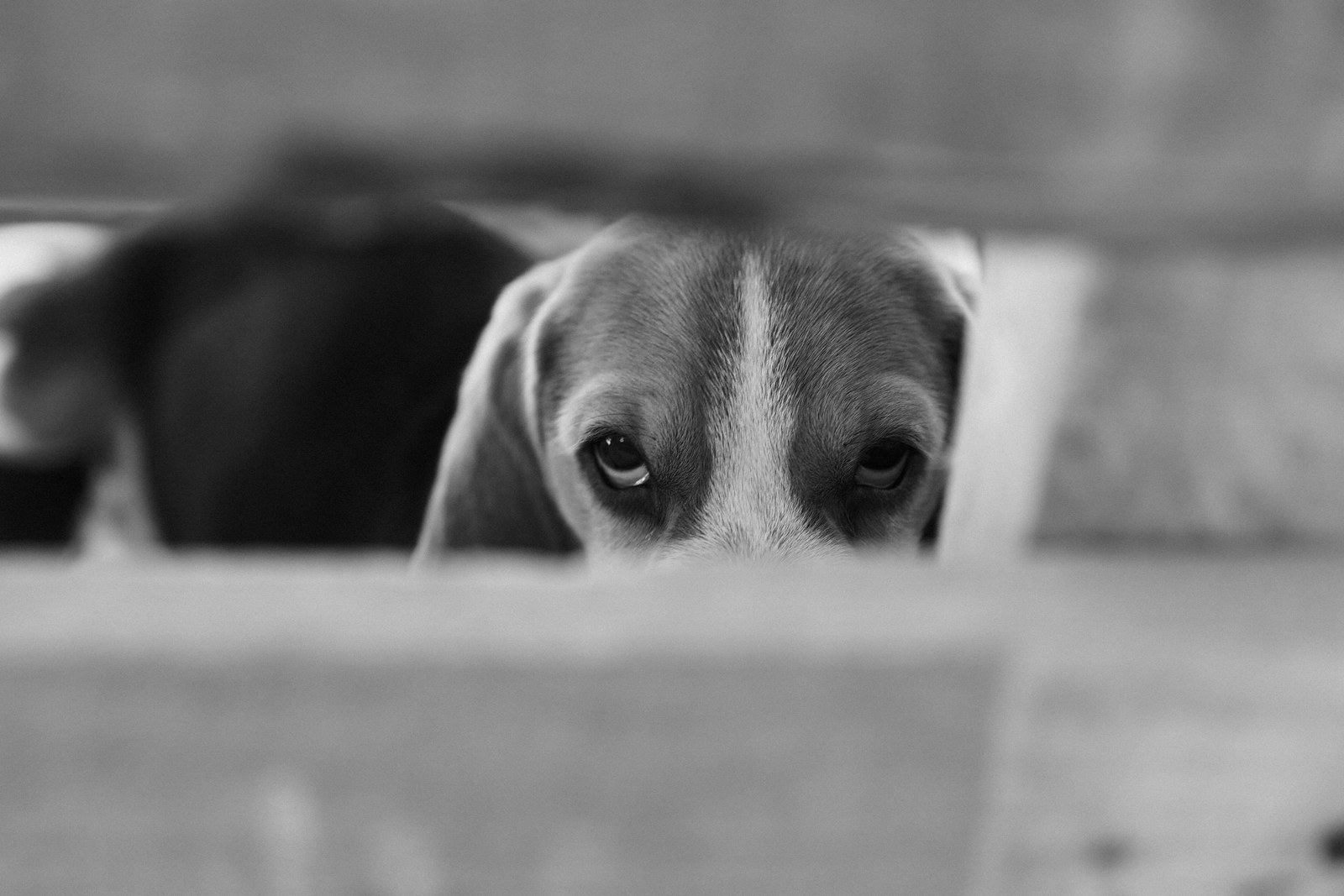
To stop your dog escaping the yard, do two jobs at once: physically secure the fence line — dug gaps, loose boards, weak latches — and fix the reason your dog wants out, which is usually boredom, loneliness, or too little exercise. A stronger fence around a frustrated dog just produces a more determined escape artist.
Walk the Fence Like an Escape Artist
Get down to your dog's eye level and walk the entire perimeter slowly. Look for gaps under gates, soft soil along the fence base where digging has started, rotted or loose boards, chain-link pulled up at the corners, and objects near the fence — woodpiles, bins, dog houses — that work as launchpads for climbing breeds. Push on latches; many dogs learn to nudge, lift, or nose open simple gate hardware, and a self-closing latch with a lockable clip defeats most of them.
Fix weak spots properly rather than cosmetically. Bury dig guards or extend fencing below ground level at favorite exit points, replace split boards, and add height or a roller bar at the top if you have a genuine climber or jumper, like a young husky or border collie. Check again after storms, freezes, and any garden work that shifts soil along the line.
Then Ask Why Your Dog Leaves
Most escapes are a symptom. A dog left alone in a yard for long stretches with nothing to do will invent a job, and leaving is a great one. Under-exercised young dogs, intact males who catch the scent of a female in heat, and social dogs desperate for company are the classic repeat offenders.
Build the fix into the daily routine:
- A real walk or play session before yard time, not just a door opened.
- Puzzle feeders, chew toys, and rotation of yard toys so the space stays interesting.
- Shorter, supervised solo yard sessions until the escape habit is broken.
- Company — a window to watch through indoors often beats lonely yard exile for social dogs.
If your dog escapes to visit a specific friend or chase specific wildlife, address that trigger directly with barriers, supervision at peak times, and training rather than hoping the fence alone wins.
Safety While You Retrain
Until the yard is proven, treat it as unsecured. Supervise outdoor time, use a long line if needed, and make sure your dog's ID is current in case a attempt succeeds during the retraining window. Tell neighbors what is going on; they are often your earliest warning system and can call you the moment they see digging instead of after the dog is gone.
How KinsLe Care Teams Keep the Routine Honest
Escape prevention fails on busy days, when the walk gets skipped and the fence check never happens. KinsLe Care Teams let you assign feeding, walks, meds, and grooming duties to family members or helpers, with timestamped completions, so daily exercise and yard checks actually happen even when your schedule explodes. Everyone on the team can see what was done and when, instead of everyone assuming someone else did it.
Secure the fence, enrich the routine, and share the work. Put the fence inspection and the pre-yard walk on the Care Teams plan in KinsLe, assigned to a named household member and checked off when finished, and busy days stop opening gaps in the routine.