
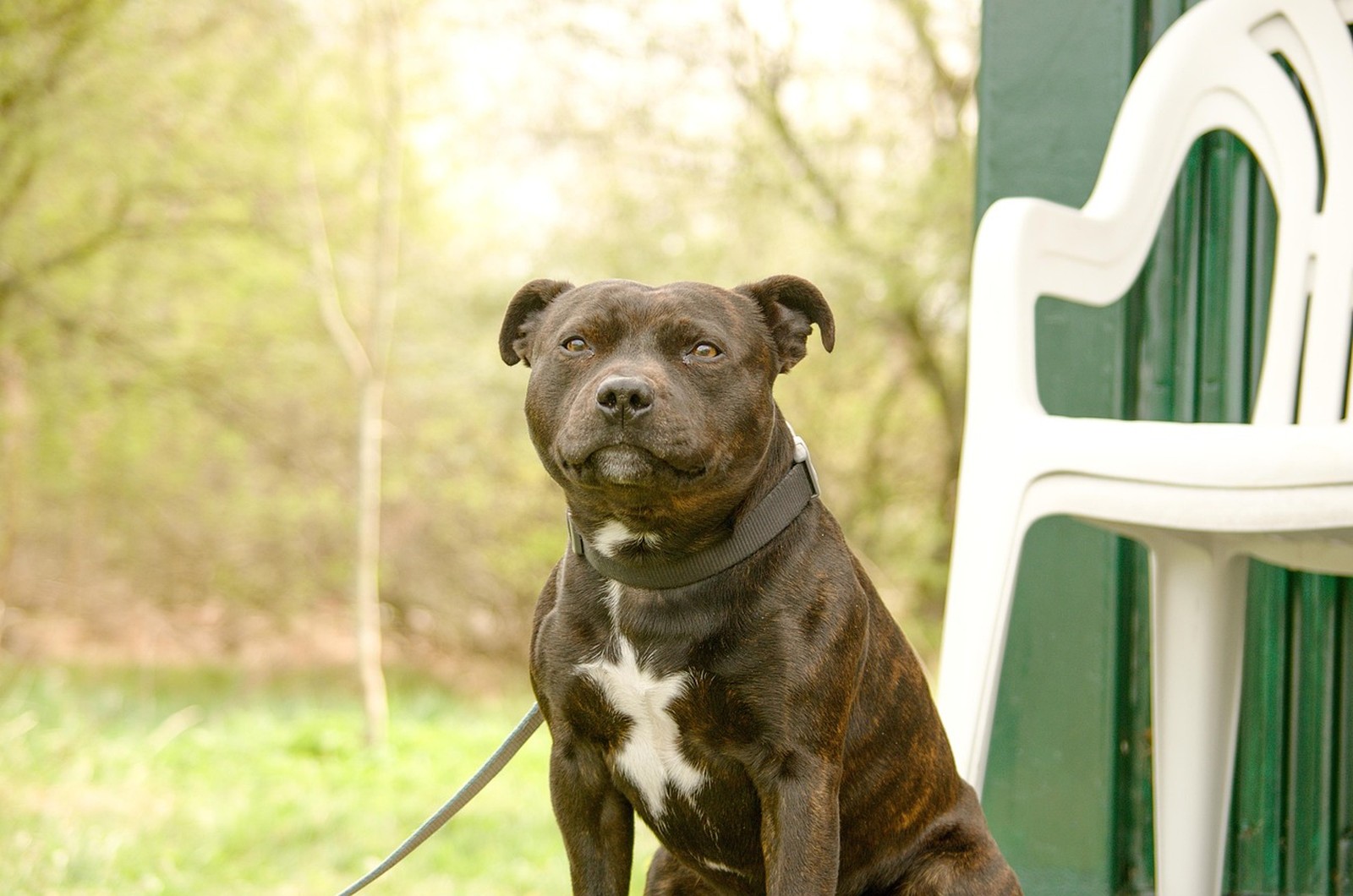
The doorbell compresses an entire drama into three seconds: a sudden sound, a surge of anticipation, a sprint down the hall, and a person appearing at the door. For a dog who rushes, the bell is not really the problem; it is the starting pistol for a rehearsed sequence that has always ended in excitement. Retraining works by dismantling that sequence and rebuilding it as a different one, bell means go to the mat, stay there, get paid, practised in pieces small enough that your dog can succeed at every stage before you assemble the whole performance.
How the bell became a starting pistol
Dogs learn the doorbell by association within a handful of repetitions. The sound predicts visitors, deliveries, family members returning, all high-value events, so arousal arrives with the first chime rather than when the door opens. Rushing and barking then get reinforced by the outcome itself: the door opens, interesting people appear, and the dog's noisy escort feels, from his side, like part of how guests are admitted. Shouting over the barking adds your raised voice to the ceremony, which many dogs read as joining in rather than disapproval, so the household accidentally performs the routine together, louder each month.
Stage one: make the sound boring, then make it a cue
Record your actual bell or find its tone, and play it at low volume while your dog is settled elsewhere in the house, rewarding calm behaviour and letting nothing happen afterwards. Repeat until the quiet bell earns a glance and a yawn rather than a sprint. Then pair the sound with a new instruction: bell plays, you cue the mat, your dog goes to a mat or bed placed away from the door's swing, settles, and earns a stream of small treats for staying while the imaginary visitor is dealt with. Raise the volume gradually across sessions, always working at a level where he can still choose the mat.
Stage two: add the door, the knock, and a person
Once sound plus mat is solid, add one ingredient per session: a knock after the bell, you walking to the door, the door opening onto nobody, then a family member coming in and ignoring the dog until you release him. Reward the stay at each new stage and drop back a step after any failure rather than pushing through a meltdown. Practise the end of the routine too: after the staged guest has been greeted by you, release your dog for a calm hello if he stayed, so patience, not patience's collapse, is what produces access to visitors.
In real life during training, protect the work: use a hall gate, a lead, or a closed door when genuine visitors arrive unexpectedly, because one full rehearsal of the old sprint pays more than a week of careful stages.
Troubleshooting the stubborn parts
If your dog holds the mat for family but erupts for strangers, recruit a friend he knows slightly, then a neighbour, before expecting success with a delivery stranger. If he barks from the mat but stays on it, accept that as progress and reward the staying; quiet usually follows once the position is secure, whereas demanding silence first often breaks both. Dogs who react to bells on television or neighbours' doors need the same volume ladder with those sounds. If door behaviour comes with aggression toward the person entering, or your dog cannot settle at any distance from the door despite weeks of staged work, bring in a qualified behaviourist rather than escalating rehearsals.
A staged routine like this needs several people playing visitor, knocking, and handling the dog in rotation, and KinsLe keeps those turns fair and consistent through Care Teams, where each practice stage is listed as a duty and marked complete once done.