
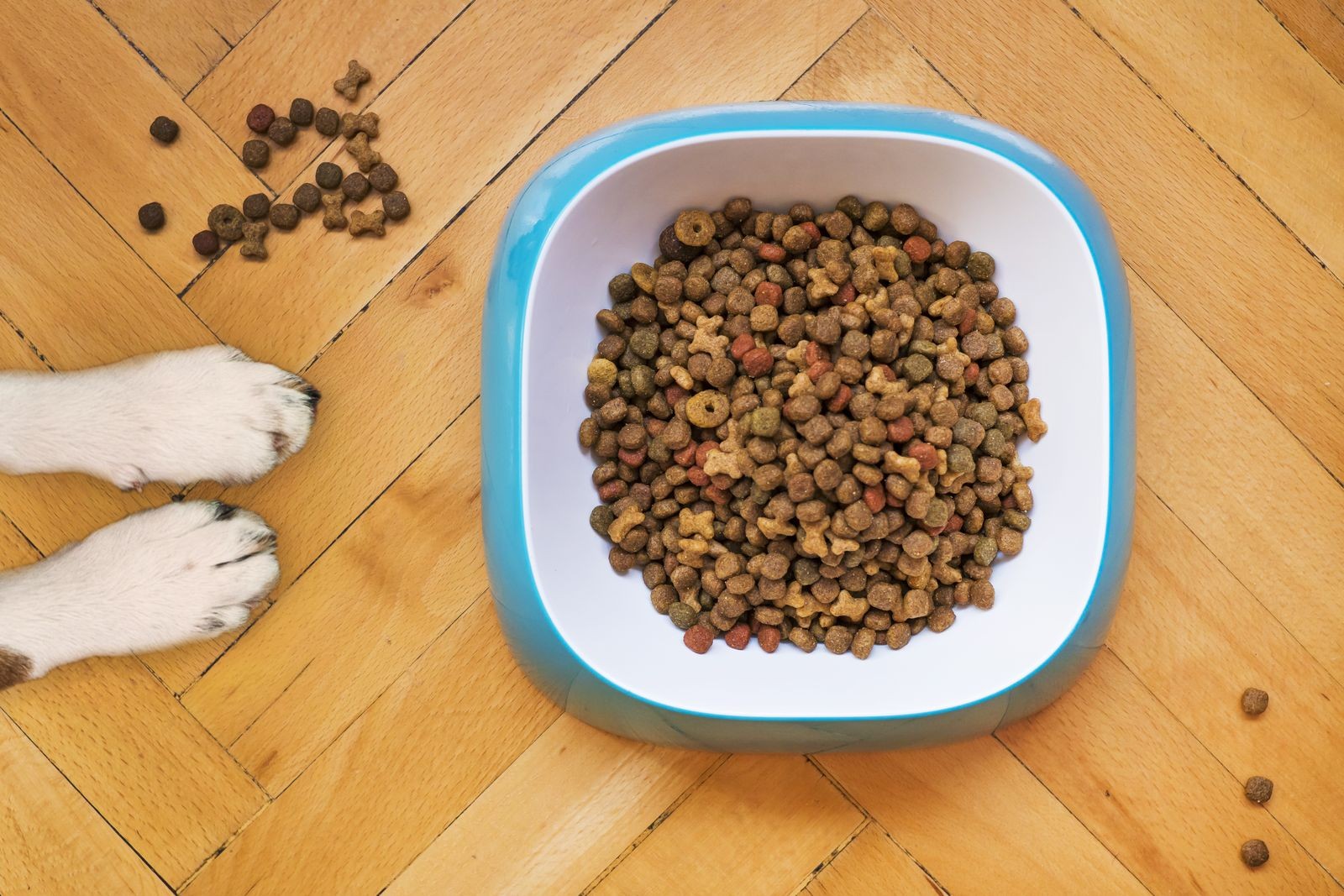
Switch your dog to a new food gradually over seven to ten days, mixing increasing amounts of the new food with decreasing amounts of the old food, and your dog's stomach will usually adjust without trouble. A sudden overnight swap is the most common cause of soft stools, gas, and skipped meals during a food change, so patience — and a consistent plan everyone in the house follows — is the whole secret.
The Day-by-Day Mixing Plan
For most healthy adult dogs, use this rhythm:
Days 1-2: 25 percent new, 75 percent old. Days 3-4: 50 percent new, 50 percent old. Days 5-6: 75 percent new, 25 percent old. Day 7 onward: 100 percent new. Sensitive dogs, seniors, and dogs switching to a much richer or higher-fiber food often do better on a 10 to 14 day version, adding an extra two days at each step.
Measure by weight or with the same scoop every time; eyeballing ratios drifts quickly. Mix thoroughly so your dog cannot pick out only the new kibble, and serve at normal meal times. Keep water fresh and plentiful, and avoid introducing new treats, chews, or table scraps during the transition week so you have only one variable changing.
What Normal Looks Like — and What Does Not
A little softness in stool or extra gas for a day or two at a new ratio is common and usually settles. Appetite may dip briefly if the new food smells different; a healthy dog who misses part of one meal but is bright and drinking is rarely an emergency.
Slow down and hold at the last comfortable ratio for two to three extra days if stools become loose. Call your veterinarian if you see vomiting, blood or black stool, complete refusal to eat for more than a day, marked lethargy, signs of an allergic reaction like facial swelling or intense itching, or diarrhea lasting beyond two days. Puppies, tiny dogs, and dogs with medical conditions dehydrate faster — call earlier for them.
Do not add random toppers to fix a wobbly transition unless your vet suggests it; you may mask a food that simply does not suit your dog.
Special Cases: Puppies, Seniors, and Medical Diets
Puppies can follow the same slow plan, but watch growth and stool closely and check in with your vet if loose stool persists — parasites and infections are common in puppies and can coincide with a food change by chance. Seniors transitioning to a senior formula benefit from the longer timeline and a weight check a month later.
If your veterinarian has prescribed a therapeutic diet for a medical condition, follow their timeline exactly — some conditions require a stricter or faster change, and that medical instruction overrules any general guide, including this one.
Keeping the Whole Household on the Same Mix
Transitions fail when one person feeds the new ratio and another, meaning well, feeds straight new food or slips the old treats back in. KinsLe Care Teams keep the plan visible: assign feeding duties, note the exact mix for each day of the switch, and let each person mark completion with a timestamp. The next feeder sees what actually happened at the last meal, not what was supposed to happen.
Write the plan on the food bin too, with start date and ratios. Once you are fully switched, note the exact new product name and your dog's weight and stool quality a week later — future you will thank present you.
Care Teams on KinsLe close the loop on each feeding, with the day's ratio noted beside a timestamped completion, so no one guesses which mix went into the bowl last.