
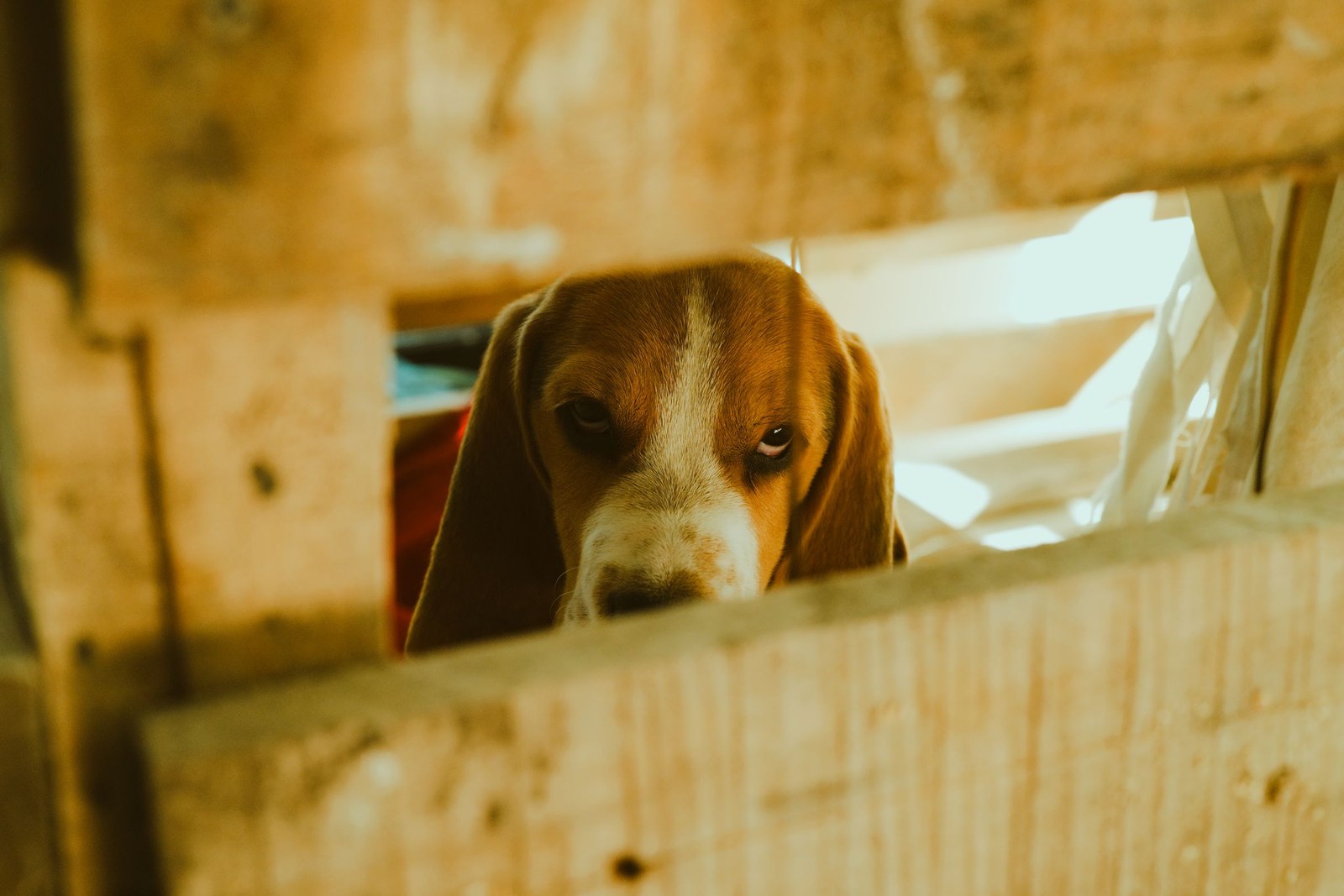
Most lost dogs do not travel nearly as far as worried owners imagine. Many are found within a mile or two of home, and shy, older, or frightened dogs often stay much closer — hiding under a porch, in an open garage, behind sheds, or in dense brush just a few streets away, too scared to come out even when they hear you calling.
Why Distance Depends on the Dog
A confident, athletic dog chasing a deer or following an interesting scent can cover real ground, especially in rural areas with open fields. A nervous rescue, a small dog overwhelmed by traffic noise, or a senior with sore joints usually does the opposite: they find the first quiet hiding spot and stay there. Weather matters too. Rain, heat, and fireworks tend to push dogs into shelter and keep them hunkered down, while a calm evening may let a curious dog keep exploring.
That is why two lost dogs from the same neighborhood can have completely different stories. One husky might be picked up three miles away after joyrunning through a park. One timid beagle might spend two nights in a neighbor's woodpile half a block from home.
Search Close, Slow, and More Than Once
Start where your dog was last seen and work outward in slow circles on foot. Walking matters: you will hear rustling, spot tracks, and notice hiding places you would miss from a car window. Check garages, carports, crawl spaces, under decks, inside open sheds, and along fence lines and creek banks.
Revisit the same spots. A frightened dog may stay silent the first time you pass and only whimper or shift hours later when things quiet down. Search at dawn and dusk, when neighborhoods are calmer and a hiding dog is more likely to move. Bring familiar-smelling bedding, a favorite squeaky toy, and smelly food like hot dog pieces, and ask neighbors to check their yards and security cameras rather than just glancing out the window.
What Not to Do While Searching
Avoid chasing a spotted dog, even your own. A panicked dog often runs from everyone, including familiar voices shouted in panic. Instead, sit down sideways, avoid direct eye contact, speak softly, and toss treats nearby to let the dog approach at their own pace. If your dog has bolted repeatedly in one direction — toward a park, a friend's house, or a favorite walking route — search those anchor places early, because dogs follow habits under stress.
Tell every neighbor, mail carrier, delivery driver, and dog walker in the area, and notify local shelters and animal control with a clear photo. The wider the close-to-home net, the better.
How KinsLe Puts Local Eyes Where They Matter
Because many lost dogs stay local, local eyes are exactly what works. An alert through KinsLe's Lost Pet Alert System appears in map view while the profile itself carries it at no cost, so people searching those same streets can see which dog is missing and where he was last seen.
Keep your dog's profile photo and details current before you ever need them, so an alert can go out in minutes. On KinsLe, the Lost Pet Alert System lets a finder who spots your dog send you a direct message instead of posting publicly and hoping it is seen.