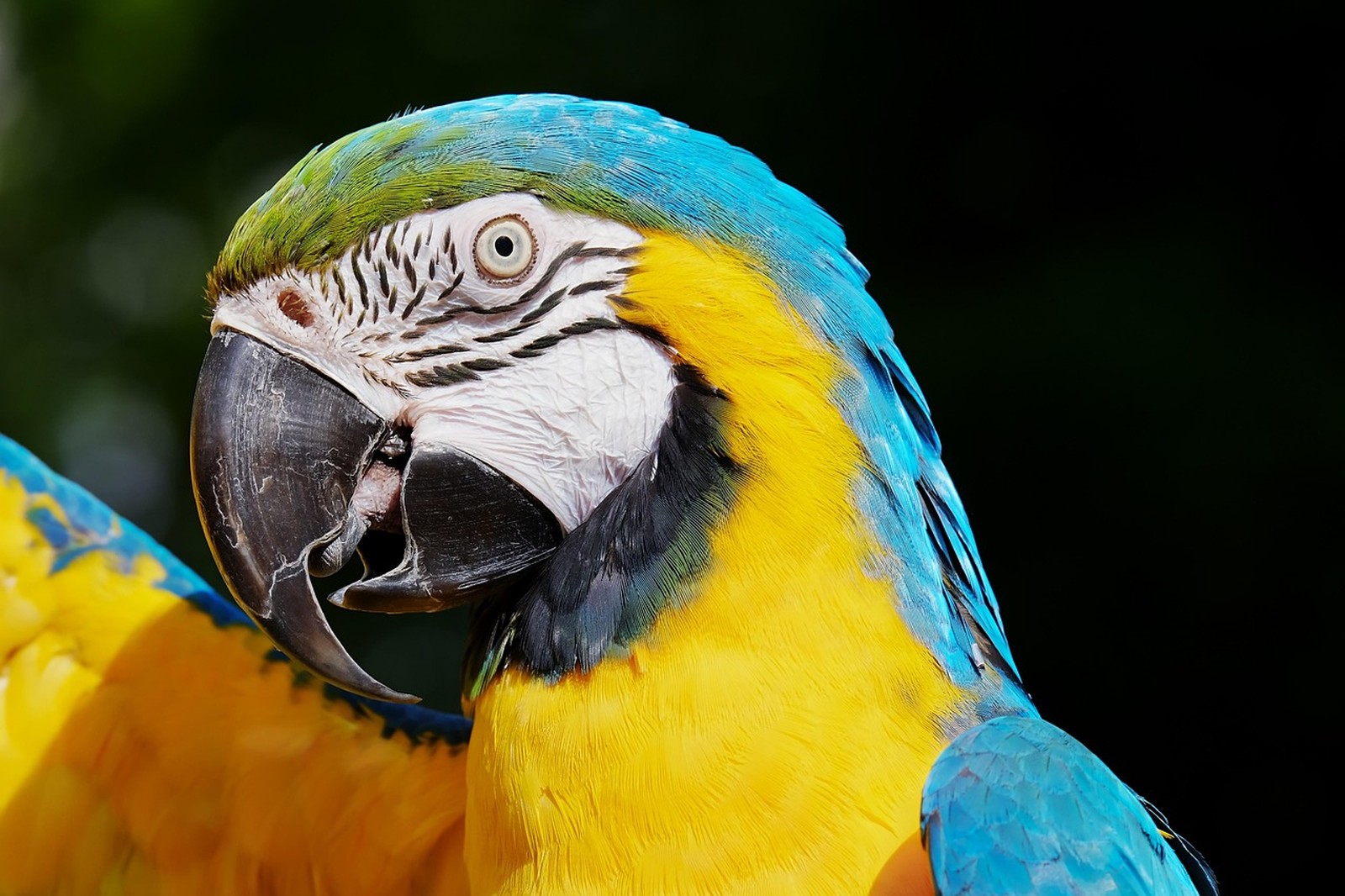
Large macaws commonly live 50 to 80 years as pets. Blue-and-gold, scarlet, and green-winged macaws in good homes routinely reach their fifties and sixties, and birds at the top of the range, living beyond eighty, are documented often enough that no buyer should plan on less. A macaw bought by a thirty-year-old may well need care into that person's nineties. This is not a long-lived pet; it is a lifespan on the human scale, and every other decision about the bird should be made with that arithmetic in view.
The Succession Question Comes First
Because many macaws outlive their first owners, responsible keeping includes naming the bird's next home before it is needed. Talk to the family member, friend, or rescue who would take the bird, introduce them properly over time so the macaw knows and accepts them, and write down the arrangement where your family can find it. Macaws bond strongly and grieve changes of flock; a bird handed to a stranger after fifty years with one person faces a genuine welfare crisis, while a bird who already knows its next keeper transitions far more smoothly.
Diet, Flight, and Work for the Mind
Seed-only feeding is the classic lifespan shortener in pet macaws, leading to vitamin A deficiency, obesity, and liver and heart disease. Long-lived macaws eat a quality formulated diet as the base, with daily vegetables, some fruit, and nuts as training rewards rather than bowl-fillers. They also need hours out of the cage daily for flight or vigorous exercise and social time with their people — a macaw is a flock animal working a full-time social job. Boredom is a health issue in its own right: a bird with nothing to destroy, solve, or shred may turn to damaging its own feathers, a habit that can become lifelong, so foraging toys, chewable wood, and training sessions are lifespan care, not extras.
Air, Safety, and Veterinary Care
Like other parrots, macaws have highly efficient, sensitive respiratory systems; smoke, aerosol sprays, and fumes from overheated nonstick cookware are genuine dangers, and the bird's room needs clean air. Annual checkups with an avian veterinarian catch the slow problems — heart, liver, and respiratory disease — while there is still time to act, and a bird who fluffs, loses weight, breathes with an open beak, or goes quiet needs that vet promptly rather than watchful waiting.
Fifty to eighty years of feeding, cleaning, training, and out-of-cage time will pass through many hands — partners, adult children, house-sitters, and eventually the next keeper. KinsLe's Care Teams keeps that work organized across all of them, letting you assign your macaw's care duties to each helper and marking every completed task with a timestamp, so the bird's routine holds steady for its whole remarkable life.