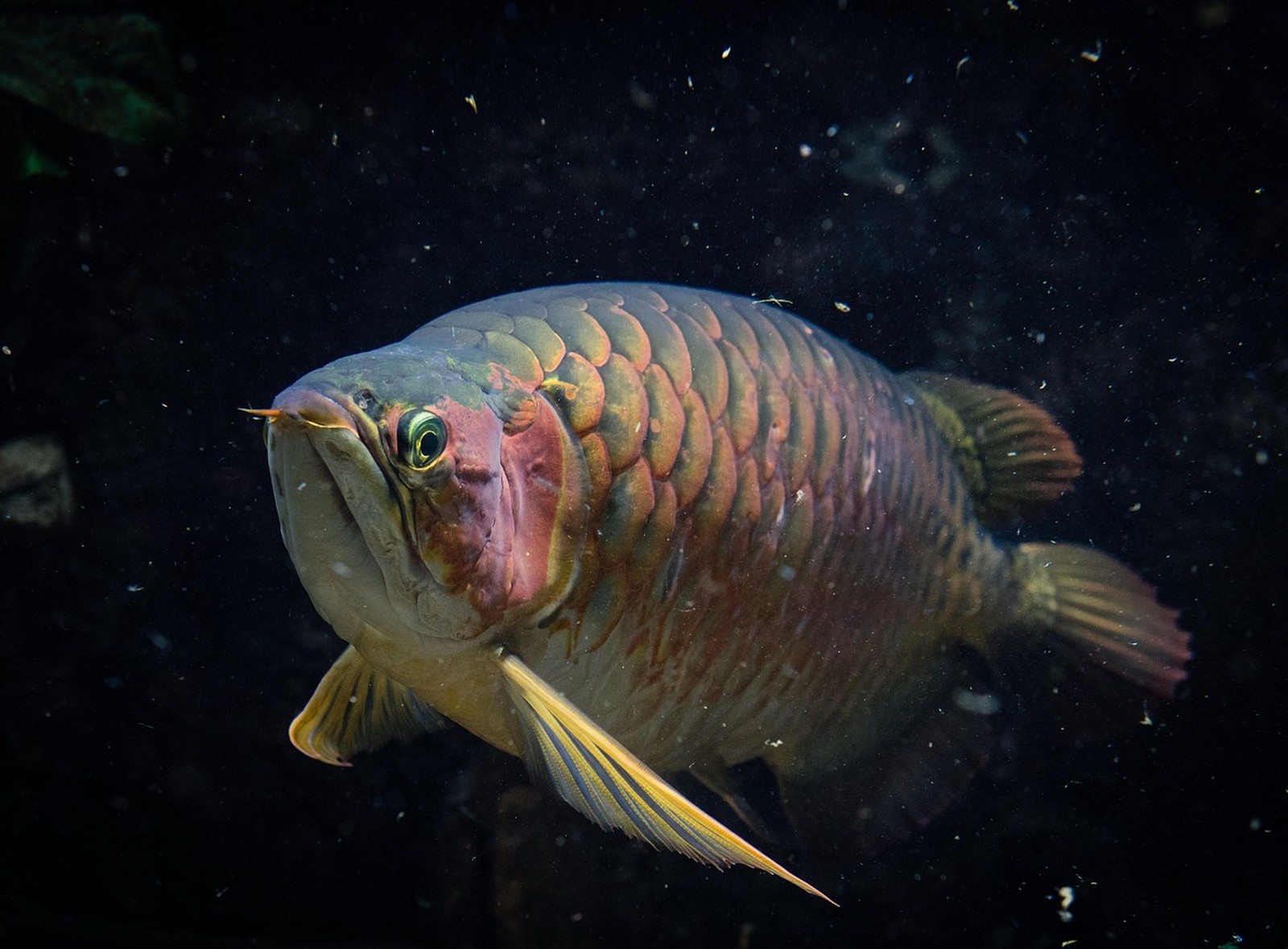
Keep new fish in a separate quarantine tank for two to four weeks before they enter your main aquarium. The wait serves two purposes at once. First, many common parasites and infections carried without symptoms in a shop tank declare themselves within that window, once transport stress lowers a fish's defences. Second, the new fish get quiet weeks to recover, feed without competition, and adjust to your water, so you learn what normal looks like for them before they face resident tankmates. Skipping quarantine risks the whole established community for the sake of a few saved weeks.
Setting Up a Quarantine Tank That Works
A quarantine tank can be plain: a modest tank with a cycled sponge filter, a heater matched to the species, a lid, and simple cover such as a plant pot or plastic plant so fish can hide. Bare glass on the base makes waste and uneaten food easy to see and siphon out, and observation easier than in a decorated tank. Keep it in a calm spot, use separate nets, jugs, and siphons for this tank, and always work on the main tank first and the quarantine tank last, washing your hands between them. Test ammonia and nitrite regularly, because a small uncycled setup can spike quickly, and change water gently with matched, dechlorinated water.
What to Watch for Each Day
Feed lightly and watch every fish eat. Look for white spots like grains of salt, a dusty or velvet sheen, clamped or frayed fins, scratching or flashing against objects, rapid gill movement, gasping at the surface, stringy pale waste, loss of colour, or a fish that hides constantly and refuses food. Note the day any sign appears and which fish shows it, because timing helps an aquatic shop or vet judge what you may be dealing with. Photographing a symptom under the tank light can preserve detail that fades by the time you describe it. Do not add medicines on guesswork; identifying the problem and checking water quality come first, and advice should be specific to the species you keep.
When the Clock Restarts
The two to four weeks count clean observation time, not simply days since purchase. If a fish shows signs of illness, or a tankmate in quarantine dies unexpectedly, extend the stay, deal with the problem, and start counting again from when the fish have been clear and feeding well. Fish from different shops or bought on different days ideally quarantine separately, because mixing groups restarts the exposure risk for all of them. A healthy-looking fish that shared water with a sick one is still a risk to your main tank, however bright it appears on the day you had planned to move it.
Moving Day and Records
Acclimate quarantine graduates to the main tank as carefully as any new arrival, matching temperature and mixing water gradually, and add them when the main tank lights are dim and residents have been fed. Watch interactions for the first day and keep testing the main tank, because extra fish change the filter load. Record where each fish came from, its arrival date, how its quarantine went, and any treatment-free observations, so future losses or symptoms in the main tank can be traced to a source and date instead of guesswork.
Two to four patient weeks protect years of work in an established aquarium. Keeping those dates and observations tidy matters when several fish arrive across a season. On KinsLe, Pet Passport stores each new fish's source, arrival date, and quarantine notes as a clear record, so you can check at a glance which fish are ready to move and which need longer.