
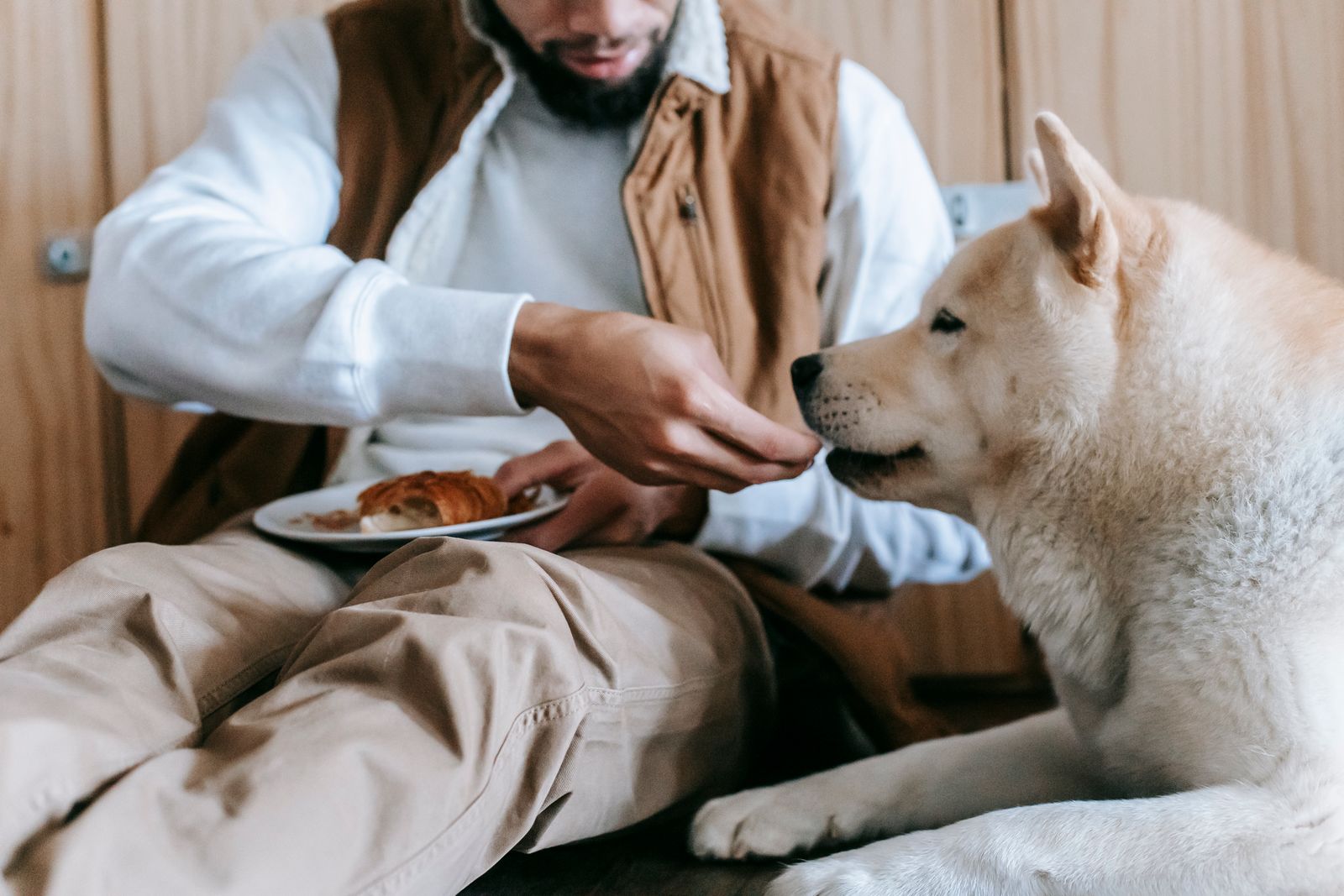
Most dogs should get treats totaling no more than about 10 percent of their daily calories, which for many dogs means just a few small treats a day — and training treats count toward that total. A medium dog eating roughly 800 calories a day, for example, has about 80 treat calories to spend; that could be several tiny training pieces or one larger chew, but not both on top of a full treat jar routine.
Why the 10 Percent Guideline Matters
Dog food is formulated to be complete and balanced; treats usually are not. When treats creep to 20 or 30 percent of the day, the diet dilutes, weight creeps up, and picky eating can follow — why eat dinner if snacks arrive all afternoon? Calorie density surprises owners: a single large dental chew, pig ear, or cheese chunk can equal a small dog's entire treat budget for days.
Learn your common treats' calories from the packet and write a daily budget on the treat jar. For a 10-pound dog needing roughly 400 calories a day, the treat budget is only about 40 calories. For a 70-pound Labrador it is much higher, which is why a one-size treat rule fails — size the treat to the dog.
Make Training Treats Work Harder
In training, frequency beats size. Dogs care that a reward arrived, not that it was huge. Break soft treats into pea-sized pieces, or use part of your dog's measured daily kibble as training rewards so nothing extra is added. One training session can burn through 30 rewards easily — if each is 10 calories, that is 300 calories before dinner.
Try these swaps:
- Break every large treat into four to six small pieces
- Reserve half the breakfast kibble for morning training and games
- Use tiny pieces of carrot or green bean if your vet says they suit your dog
- Keep a separate, measured daily treat pouch instead of an open jar
- End chew time when the budget is spent, even if pleading eyes continue
Puppies in socialization classes need extra care: use their tiniest, softest treats and trim meals slightly on class days with your vet's guidance.
The Multi-Person Treat Problem
The biggest source of over-treating is rarely one generous owner — it is four people each giving a reasonable amount without knowing about the others. Dad gives a biscuit after a walk, a child shares a snack after school, a neighbor offers a chew over the fence, and suddenly the budget is tripled.
The coordination fix starts at home: agree the daily treat count together, write extras down when they happen, and let one person own the treat pouch refill. Grandparents who visit often are not the enemy — they just need the household's agreed count made clear to them before the jar opens.
When to Talk to Your Vet About Treats
If your dog needs to lose weight, has allergies, diabetes, kidney issues, or a sensitive stomach, treat choices matter medically, not just by calories. Ask your veterinarian for a treat list and daily amount tailored to your dog. Sudden refusal of treats, drooling, or pawing at the mouth can signal dental pain and deserves a check too.
Access to your dog's profile can be extended to a brother, sister or parent you choose under KinsLe Family Sharing.