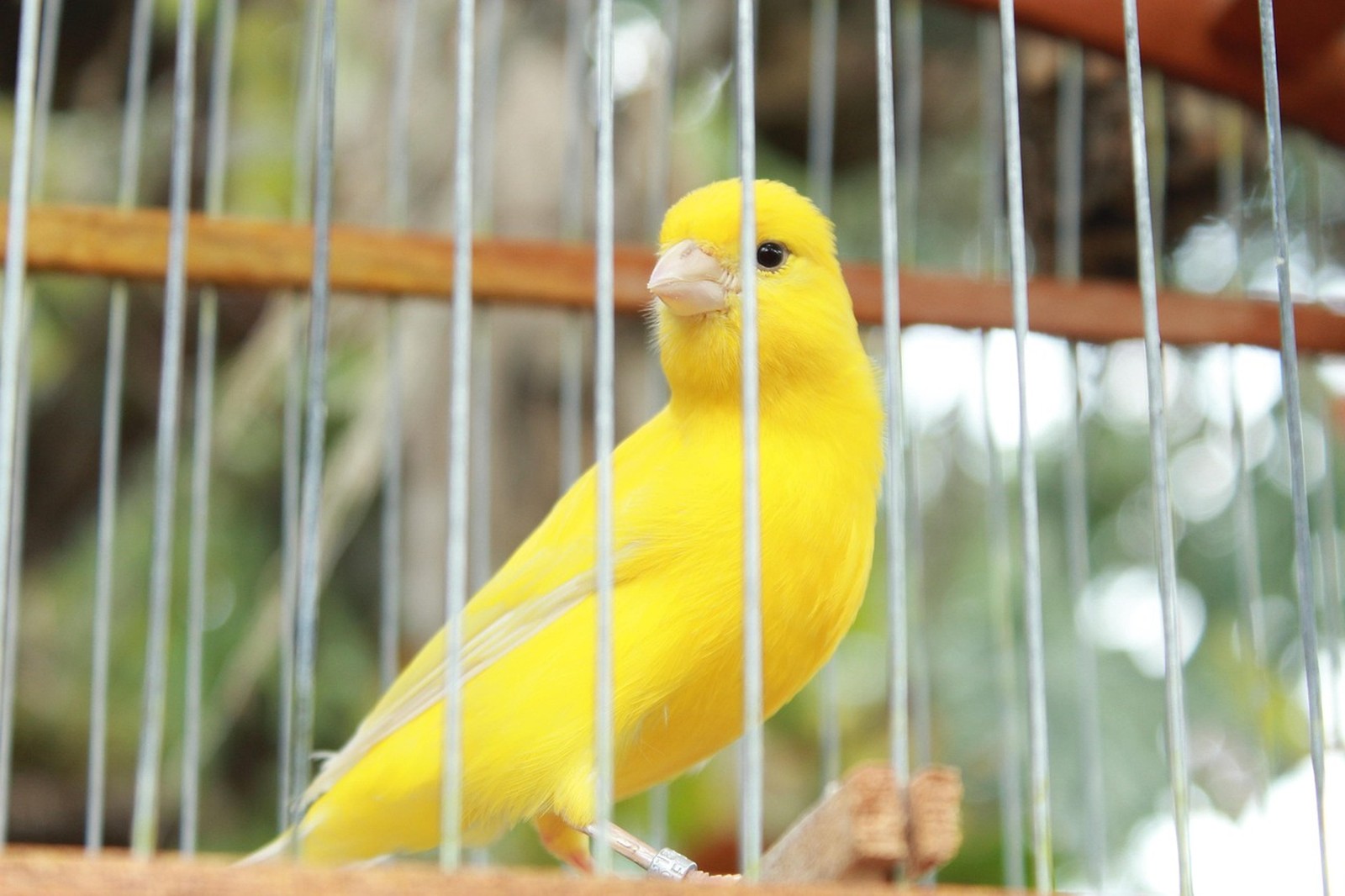
A single canary typically costs about $20 to $45 a month once the cage and first supplies are bought. That is modest as pets go, but it is not zero, and the owners who budget best split it into food, cage upkeep, and a small monthly saving toward the annual vet visit rather than treating the bird as free after purchase day.
Food: the steady monthly cost
A canary eats roughly a teaspoon or two of seed or pellets a day, plus small amounts of fresh food. A bag of canary seed or formulated pellets typically costs $8 to $15 and lasts one bird well over a month, so budget $8 to $15 monthly to be safe and to replace stale stock. Add a cuttlebone or mineral block every month or two for a couple of dollars, and offer leafy greens, grated carrot, or a little cooked egg food a few times a week. If those greens already come from your kitchen, the extra cost is pennies; buying them only for the bird adds perhaps $4 to $6.
Spray millet is a treat, not a staple. One sprig a week is plenty, and a small pack lasts months, so it barely moves the monthly total.
Cage, liners, and cleaning
Canaries are messy in a predictable way: seed husks, droppings, and bath water. Paper liners changed every day or two cost about $3 to $6 a month if you buy cage paper, and less if you use plain paper you already have. Perches wear and get soiled and typically need replacing a few times a year, which averages to a dollar or two a month. A shallow bath dish, a spare food cup, and occasional replacement toys are small, irregular costs rather than monthly ones.
Budget no money for elaborate cage furniture. A swing and one or two simple toys, rotated rather than added to, keep a canary occupied without turning upkeep into a shopping habit.
Vet care: save for it monthly
The cost most new owners miss is veterinary care. Canaries should see an avian vet about once a year, and a routine visit commonly costs far more than a month of seed. Putting $8 to $12 aside each month covers a typical annual check and leaves a small cushion if the bird needs treatment for common problems such as respiratory infection, mites, or a broken blood feather.
That cushion matters because canaries hide illness well. A bird that stops singing, sits fluffed on the cage floor, or breathes with an open beak needs a vet promptly, not after payday, and a bird that cannot be afforded in an emergency was never as cheap as the seed bill suggested.
What pushes the cost up or down
Keeping two canaries barely doubles the food bill, since bags are shared, but a larger cage and more liner changes nudge cleaning costs up. Hand-reared or show birds do not cost more to feed than any other canary. Costs rise if you rely on pre-cut packaged greens, replace toys constantly, or live where the nearest avian vet charges city prices and requires a long trip.
Costs fall when you buy seed in a size you can finish before it goes stale, grow a pot of greens on a windowsill, and keep the cage routine simple and regular.
A realistic monthly picture
Most owners land near $20 to $30 in quiet months: about $10 for food, $4 for liners and cuttlebone, and $10 saved toward vet care. Months with a toy, perch, or larger seed purchase reach $40 to $45. Track those actual figures for your own bird instead of guessing, and keep the vet receipts with the visit notes, because that history is what makes the next visit faster and cheaper. KinsLe's Pet Passport holds that health record together in one packet, so the real cost of your canary's care is always visible at a glance.