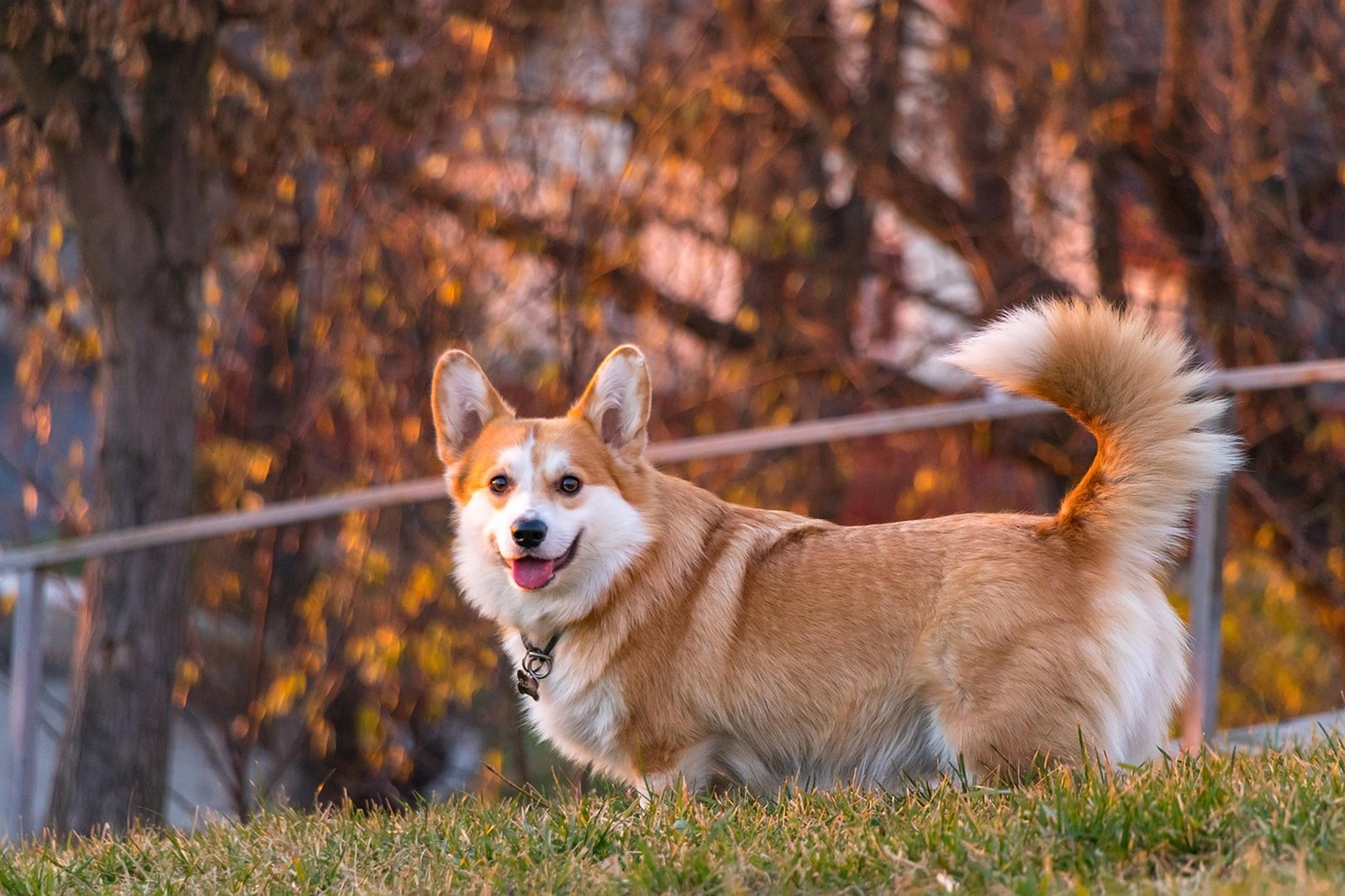
A healthy adult Corgi needs about an hour a day of activity, and owners who deliver it as plain walking alone often meet a dog who is physically warmed up and mentally still revving. Corgis were bred to herd cattle despite their short legs, making quick decisions, darting, barking, and persisting. That history means the daily hour works best when walks, play, and thinking tasks share it, so the dog comes home satisfied in body and brain rather than merely tired in the legs.
Build the Hour From Walks Plus Work
A practical split is two walks totaling most of the hour, with a short play or training block folded in: fetch in a safe area, a hide-and-seek game with a toy, or five minutes of practiced cues paid in tiny treats. Sniff-heavy walks count fully, because following scent is real work for a herding brain that wants a job. Rotate what the mental portion looks like across the week, from a food puzzle one day to learning a new trick the next, so boredom never becomes the dog's main hobby. A Corgi left under-worked often fills the gap with barking, herding children or other pets by the heels, and chewing, which are job applications, not spite.
Weight Vigilance Protects the Long Back
No exercise plan helps a Corgi as much as keeping extra pounds off, because weight hangs on a long back carried by short legs. Weigh the dog regularly, feed measured meals, and count training treats inside the day's food rather than on top of it. You should be able to feel ribs under a light fat cover and see a waist from above and the side. If the silhouette is turning into a straight tube, trim portions in small steps and add low-impact activity before adding distance or speed. Tell your veterinarian about any back pain signs, such as reluctance to jump, climb, or play, yelping when lifted, or a wobbly rear gait, and get the dog seen promptly.
Ramps and Sensible Limits at Home
Treat back care as everyday handling, not only as exercise rules. Provide a ramp or steps to the couch or car if the dog is allowed up, carry the dog securely with the body supported level when lifting is needed, and limit repeated stair-jumping and leaps off furniture as general care. Keep nails trimmed so footing stays confident on floors, and use rugs or mats on slick surfaces where a short-legged dog can splay and strain. None of this wraps the dog in cotton: a fit Corgi is an active, sturdy worker. It simply removes the repeated high-impact landings that add risk without adding joy.
Puppies and Seniors Need Their Own Versions
Scale the hour down for growing and aging dogs. Corgi puppies need short play bursts and brief walks while bones and joints develop, with no forced long hikes, no repeated jumping, and long stretches of sleep protected. Adolescents often test every boundary and may need more mental work even when physical exercise stays moderate. Seniors usually keep the routine but at a slower pace, in shorter outings, and on softer ground, with veterinary guidance shaping limits for arthritis, heart, or back problems. At every age, a dog who lags, sits down repeatedly, or is stiff the next day is telling you the session was too much.
Pass the Working Routine On Intact
Record the details that make this individual Corgi thrive: the walk split, the games that settle the dog best, current weight and target range, ramp setup, and any veterinary limits on jumping or distance. A sitter or new owner who gets only a breed name will guess, and guessing usually means less mental work and more food. Using KinsLe, keepers can hand a successor the full daily pattern with the Transferrable Profiles record, with activity and weight history traveling together.