
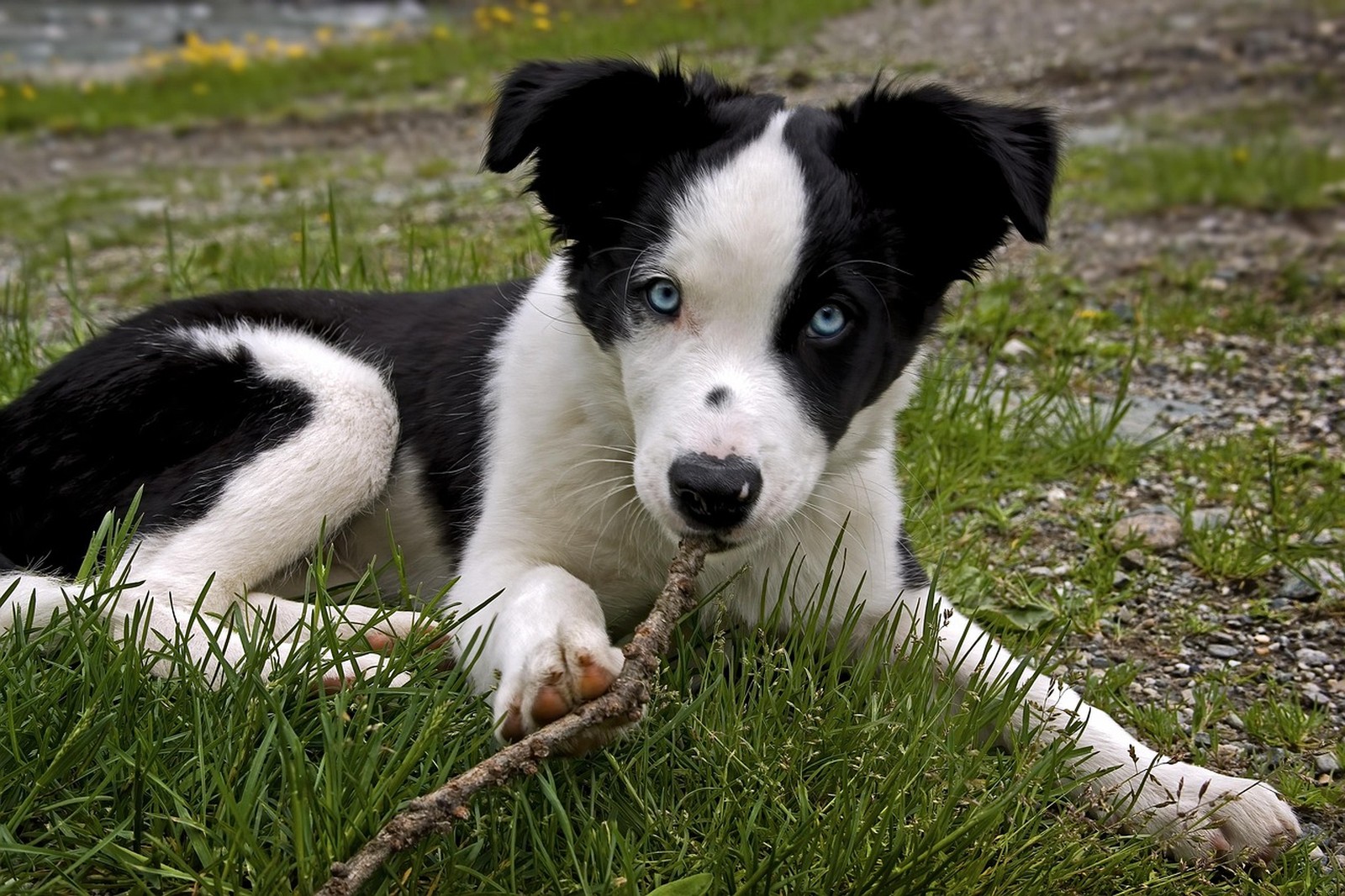
Puppies need plenty of activity, but in small, gentle doses: short play sessions, sniffy walks, and training games spread through the day, rather than long forced exercise. Their growth plates — the soft areas at the ends of growing bones — stay vulnerable until roughly a year or more depending on breed and size, so repetitive pounding like long runs, jogging partnerships, and endless stair or jump drills should wait until your veterinarian says their skeleton is ready.
A Rough Guide by Age
A widely used rule of thumb suggests about five minutes of structured walking per month of age, once or twice a day — so a three-month-old might enjoy fifteen-minute outings. Treat it as a ceiling, not a target, and let your puppy set the real pace. Free play in a secure garden, where they can stop, flop, and restart at will, is gentler on joints than a marched walk of the same length. Several short outings also serve housetraining, since puppies need toilet breaks after play, meals, and naps anyway.
The Best Puppy Exercise Isn't Just Walking
Sniffing is serious exercise for a puppy brain: a slow ten-minute "sniffari" around the block can tire a puppy more than a brisk march twice as long. Add variety with:
- Training games — recall practice, name games, and trick rehearsals burn mental energy fast.
- Puzzle feeders and snuffle mats that make meals a nose-work session.
- Gentle tug and fetch on soft ground, keeping throws low so there is no leaping or skidding.
- Supervised play with a calm, vaccinated adult dog who models good manners.
Mental work counts double with young puppies, and it is weatherproof, joint-friendly, and calming.
Read Your Puppy, Not the Clock
Signs your puppy has had enough include lagging behind, sitting or lying down mid-walk, excessive panting, or suddenly wild, nippy behavior — overtired puppies often look wired rather than sleepy. On hot days, exercise in the cool of morning and evening, carry water, and check pavement with your palm; if it is too hot for your hand, it is too hot for puppy paws. Brachycephalic breeds like pugs and French bulldogs need extra caution in heat and should never be pushed to breathe hard.
Build Up as They Grow
Increase duration and challenge gradually over months, and ask your veterinarian at each puppy visit when milestones like longer hikes, stairs, or agility foundations become appropriate for your dog's breed and size. Large and giant breeds mature slowest and need the most patience. Once growth plates close, your dog can build toward the fuller exercise their breed thrives on.
Questions as Your Puppy Grows
The right amount of activity changes month by month, and each stage brings fresh judgment calls: whether a four-month-old's lagging means the route was too long, or when stairs can join the routine. Kinny, KinsLe's built-in AI assistant, takes follow-up questions like those as they come up, with answers drawn from the KinsLe Answers library's puppy exercise guidance, fitted to your puppy's age rather than adult-dog rules. When you are unsure how far a young puppy should walk, Kinny on KinsLe will respond when you pose additional questions concerning gentle exercise limits, using the library behind KinsLe Answers.