
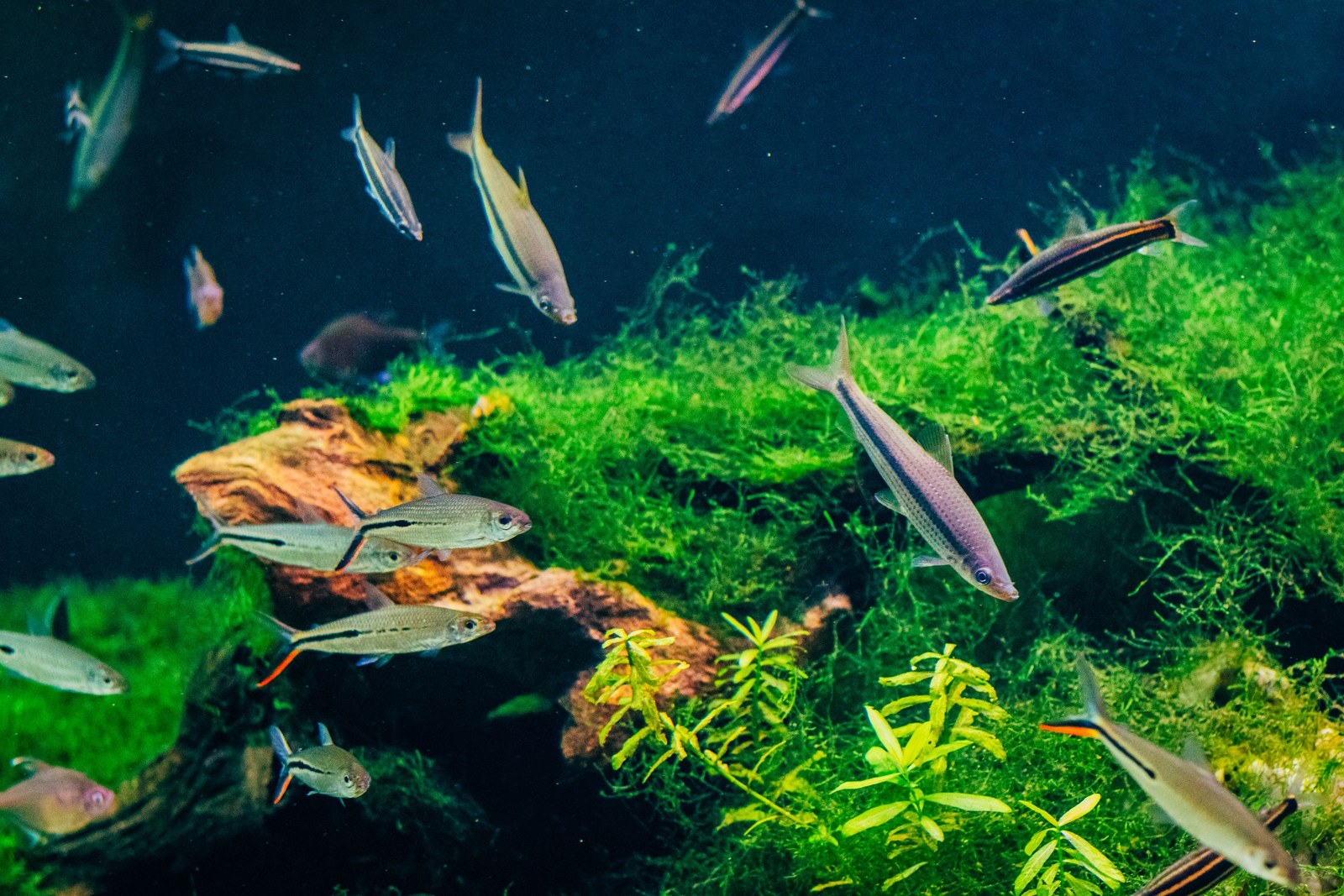
For most freshwater community tanks, change 20 to 25 percent of the water once a week. That single habit removes accumulating nitrates, replenishes minerals, and dilutes the invisible waste products your filter can't touch. Always treat replacement water with a dechlorinator, match its temperature to the tank as closely as you can, and add it slowly — dumping in a bucket of cold, chlorinated tap water is one of the fastest ways to shock or even kill fish.
The Safe Step-by-Step
Start by switching off the heater and filter — heaters can crack if exposed to air while hot, and filters can run dry. Siphon water into a bucket, working the gravel vacuum across the substrate to lift uneaten food and debris as you go; the water you remove is perfect for rinsing filter media later, so keep a bucketful. While it drains, prepare the new water: fill a clean bucket (never one used for cleaning products), dose it with dechlorinator per the label — most tap water contains chlorine or chloramine, both toxic to fish and bacteria — and check the temperature with your hand or a thermometer, adjusting until it feels the same as the tank. Pour the new water in slowly, ideally over a decoration or your hand to break the flow, then restart the filter and heater. The whole job takes about twenty minutes.
Three Mistakes That Hurt Fish
First, the full-tank overhaul: changing 80 to 100 percent of the water wipes out stable chemistry and shocks fish with sudden parameter shifts — never do this unless treating a genuine emergency. Second, skipping dechlorinator: even "safe" tap water kills beneficial bacteria on contact, and chloramine doesn't evaporate by sitting out like old-fashioned chlorine did. Third, temperature shock: water even five degrees colder than the tank can stress tropical fish, and hot water from the tap can carry dissolved metals. Slow, treated, temperature-matched — that's the entire formula.
Share the Chore With Care Teams
Weekly water changes fail most often because they get forgotten or accidentally doubled. With KinsLe Care Teams, you can assign the weekly water change to a partner or family member with timestamped completions, so everyone sees it was done Saturday at 10 a.m. — no skipped weeks, and no well-meaning second person changing another 25 percent on Sunday and shocking the tank. Feeding, filter checks, and gravel vacuuming can be assigned the same way, turning tank care into a shared routine with a visible record. On change day, the Care Teams record on KinsLe lists who handled the siphon and temperature match, with the finished change time-stamped for everyone else to see before they top up or feed.