
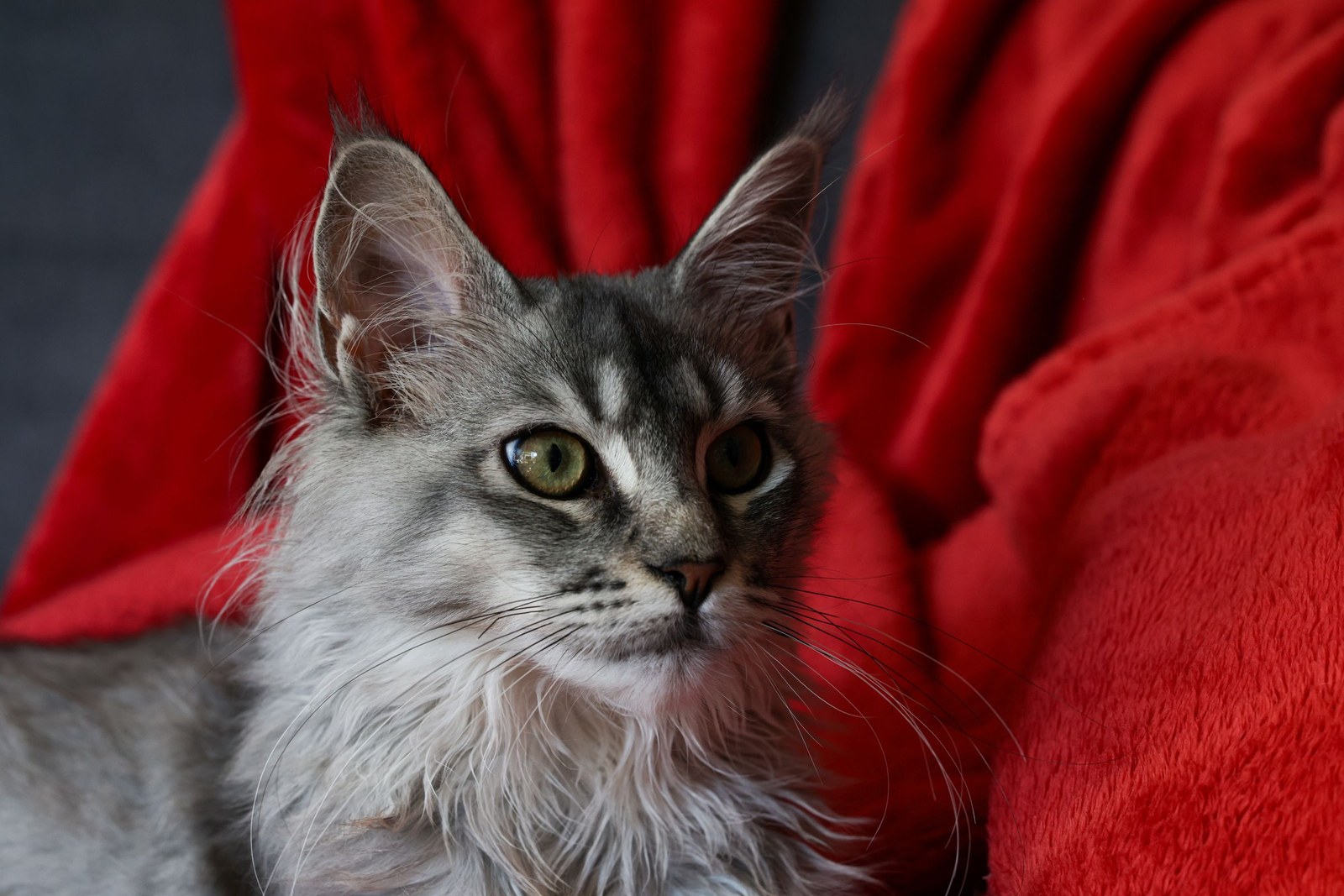
A long-haired cat needs brushing every day, or at the very least every other day. Persians, Maine Coons, Ragdolls, and long-haired mixes grow a coat that tangles quickly, and once a small knot tightens into a mat it can pull on the skin, trap moisture, and become painful to remove.
Why Long Coats Tangle So Fast
Fine, long fur catches on itself. Add a soft undercoat that sheds into the longer topcoat, friction from collars and harnesses, and damp spots from water bowls or grooming, and you have perfect mat-making conditions. The danger zones are predictable: behind the ears, in the armpits, under the legs, around the belly and hindquarters, and where a collar sits. Those are the places to check first, every time.
A daily five-to-ten-minute comb-through prevents most problems. Skipping a week can mean a long, stressful de-matting session — or a groomer having to clip mats out close to the skin.
Tools and Technique That Work
A stainless steel comb is your best friend for long coats, backed up by a slicker brush for surface work. A brush alone can glide over the top while leaving tangles hidden underneath, so always finish with the comb. If the comb runs through smoothly to the skin, you are done. If it snags, you have found the start of a tangle.
Work in small sections:
- Start at the ends of the fur and tease tangles apart gently with your fingers
- Hold the base of the fur near the skin so you are not pulling on it
- Comb from the ends inward, a little at a time
- Move section by section — one side, then the other, then belly if your cat allows it
Never yank a mat, and never cut one out with scissors unless you are experienced — cat skin is thin and loose, and it is frighteningly easy to nick. A mat tight against the skin is a job for a groomer or vet.
Building a Daily Habit Without the Battle
Choose a consistent, relaxed time and keep sessions positive. Many long-haired cats do best on a lap or a favourite blanket, with breaks and a treat at the end. If your cat only tolerates five minutes, do the highest-risk areas today and the rest tomorrow on rotation — daily partial grooming beats a weekly wrestling match.
Kittens and newly adopted long-haired cats need the same slow introduction: short, gentle sessions from the start so daily brushing becomes part of normal life, not a surprise ambush.
Sharing the Grooming Load
Daily brushing is exactly the kind of task that gets skipped when one person is busy, ill, or away. With KinsLe's Care Teams, you can assign grooming duties to family members in your cat's care circle, and each completed task is marked with a timestamp. That means your Maine Coon does not miss three days because everyone assumed someone else did it, and you can see at a glance when the last full comb-through happened.
Shared clearly, the routine stays daily — which is the whole secret. Care Teams on KinsLe keep that rotation visible, with each family member's comb-through marked complete and timestamped, so a long coat never waits on a guess about who brushed last.