
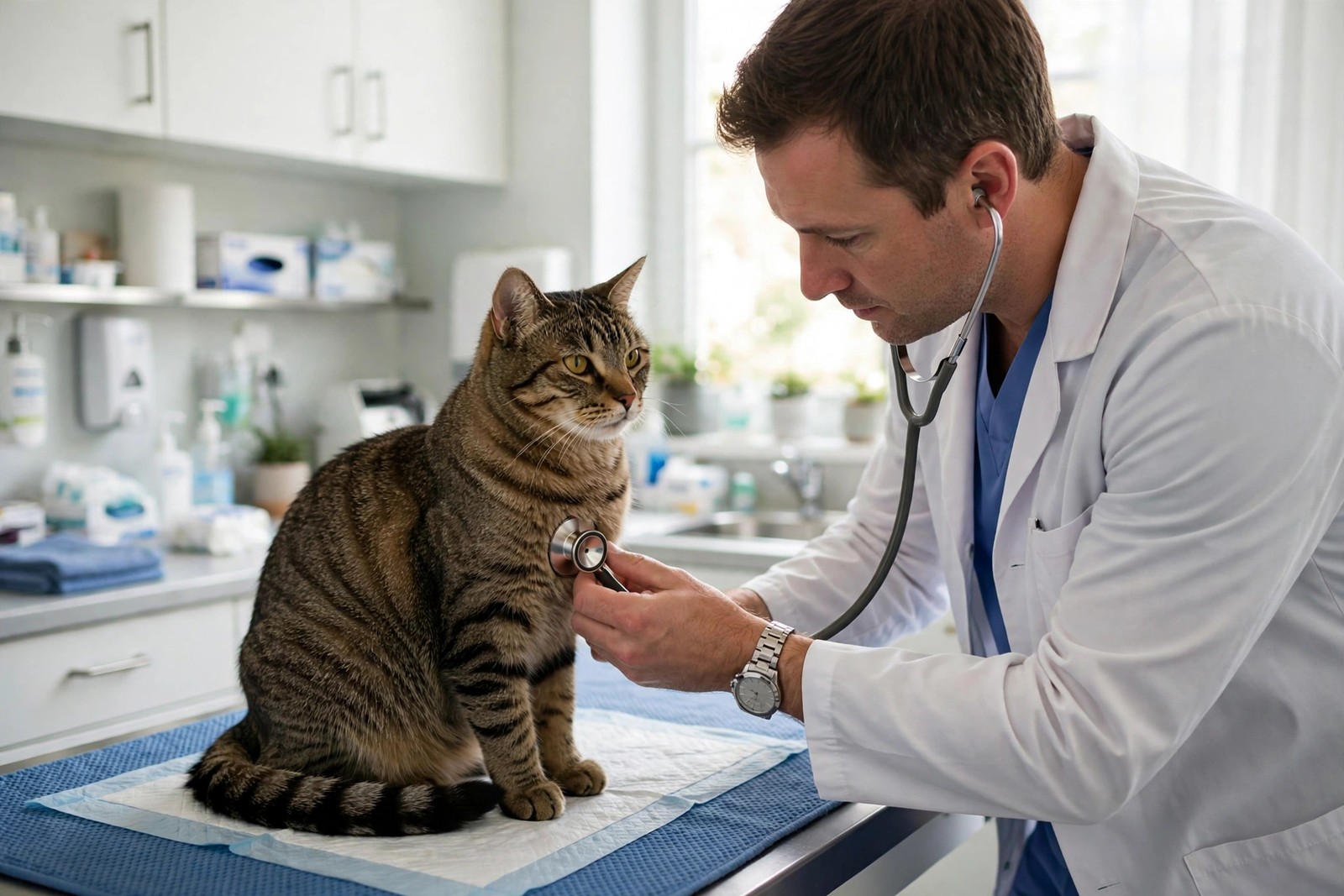
Most adult cats need their core vaccines boosted every one to three years, on a schedule your veterinarian tailors to their age, health, and lifestyle. There is no single calendar that fits a barn cat, a city apartment cat, and a senior with kidney disease equally, so the honest answer is: keep the core protection current, and let your vet adjust the rest at each checkup.
Which vaccines count as core
Core vaccines are the ones recommended for nearly every cat, regardless of lifestyle. They typically cover rabies and the combination often called FVRCP, which protects against feline viral rhinotracheitis, calicivirus, and panleukopenia — serious respiratory and intestinal diseases that spread easily between cats. Beyond the core set are lifestyle vaccines, such as feline leukemia protection for cats who go outdoors or live with cats of unknown status. Your vet weighs real exposure risk, not habit, when deciding which of those belong in your cat's plan.
How the booster rhythm usually works
After the kitten series and a first adult booster, many adult cats settle into boosters spaced one to three years apart, depending on the vaccine product used and local rules. Rabies timing also depends on the product and on the law where you live, since some jurisdictions are strict about documentation. A cat who boards, travels, or visits a groomer may face facility requirements on top of medical ones, so tell your vet about upcoming plans before the visit rather than after.
A practical rhythm that works for many households:
- Book an annual wellness exam even in years when no booster is due, so nothing drifts.
- Ask which vaccines were given, which product was used, and when each one expires.
- Note any mild reactions — sleepiness or a day of reduced appetite — to mention next time.
- Update your records the same day, while the paperwork is still on the counter.
Indoor cats, seniors, and special cases
Indoor-only cats are not exempt. Viruses can ride in on shoes and clothing, a cat can slip out during a move or a storm, and an emergency trip to a clinic puts them nose to nose with other animals. Senior cats and cats with chronic conditions may need a modified approach, which is exactly why the schedule belongs in a conversation with a vet who knows your cat, rather than in a generic chart. If you adopt an adult cat with an unknown history, your vet may recommend restarting parts of the series — another reason a first visit soon after adoption matters.
A note on safety
Vaccines are medical products, and like any medical product they carry a small chance of side effects. Mild, short-lived tiredness is the most common. Call your vet promptly if you notice facial swelling, repeated vomiting, difficulty breathing, or a lump at the injection site that keeps growing or does not shrink over the following weeks. Never try to stretch, skip, or substitute vaccines on your own to save a trip; if cost is a concern, ask your clinic about low-cost vaccine days in your area.
Keeping the record straight with KinsLe
The real challenge for most owners is not the appointment — it is the paperwork scattered across clinics, emails, and a folder somewhere in a kitchen drawer. KinsLe's Pet Passport gathers your cat's vaccines, medications, allergies, and documents into one records packet you can share with a vet, a boarding facility, or a sitter in seconds, so a new clinic never has to guess what your cat has already had. When a booster comes due or a boarding stay is booked, the Pet Passport record on KinsLe puts the product used, the date given, and the next due date in front of any clinic you visit.