
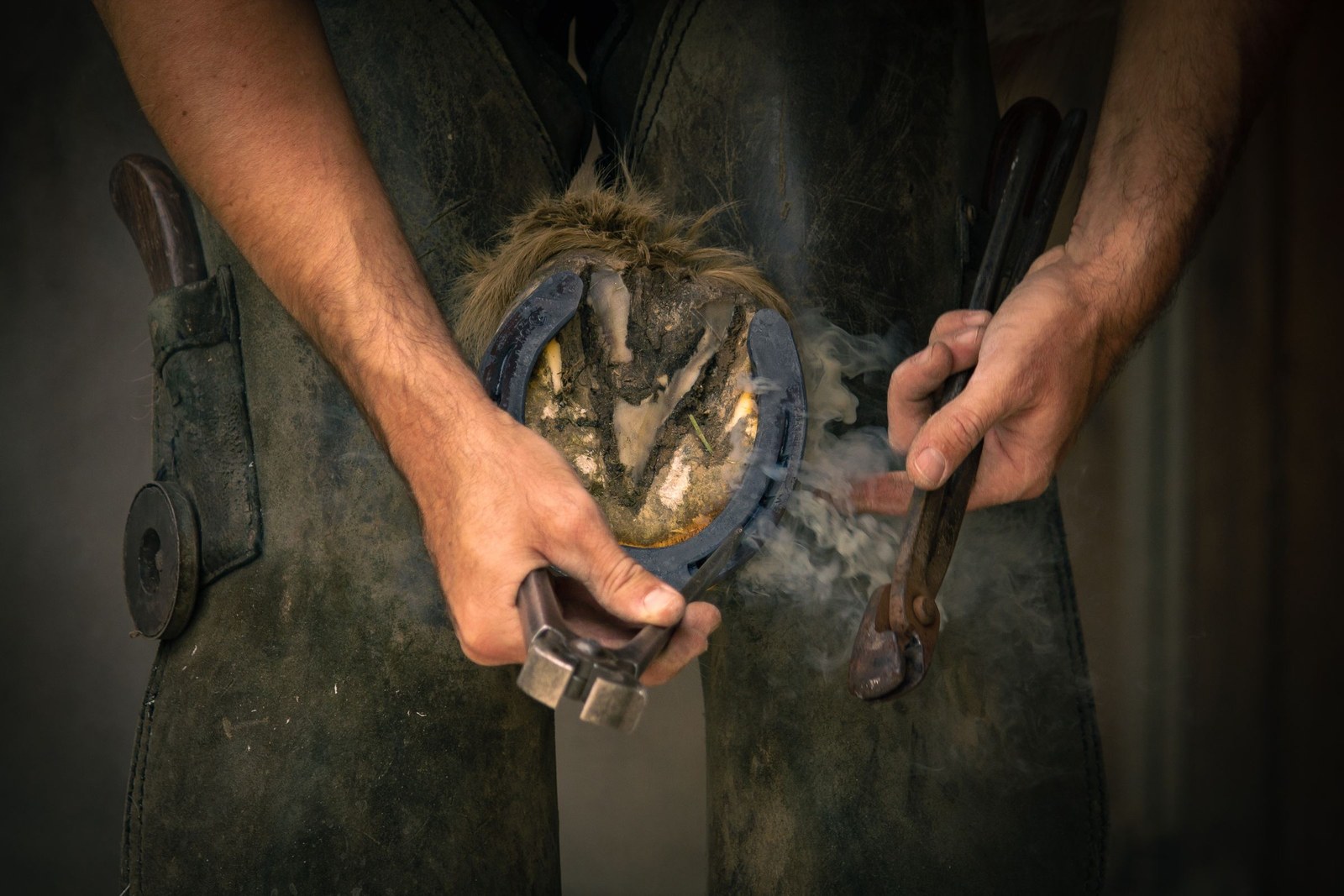
Most horses need farrier attention every six to eight weeks, whether shod or barefoot. That cycle matches average hoof growth — roughly a quarter to three-eighths of an inch per month — before length changes the angle of the foot and stresses legs and joints. Some horses need five-week cycles; a few easy-growing barefoot horses stretch to eight or nine. The calendar is set by the hoof, not the habit.
Why the cycle matters so much
Hooves do not stop growing, and an overgrown hoof is not just ugly — it changes breakover, loads joints unevenly, and invites cracks, chips, and flares. Long toes and underrun heels creep up silently between appointments, and by the time a horse is visibly sore, the mechanics have been wrong for weeks. Regular trimming keeps the foot balanced so the leg works as designed. Shod horses are on the same clock: shoes do not pause growth, and a shoe that has shifted or loosened is a pulled-shoe injury waiting to happen.
What changes your horse's schedule
Workload and terrain are the big variables. Horses working on abrasive ground wear hoof faster and may need shoeing or more frequent trims; horses on soft pasture grow long without wearing. Wet-dry cycles — dewy mornings, dry afternoons — make hooves expand and contract, loosening shoes and cracking walls. Nutrition, age, and individual genetics all play a role too. Your farrier is the authority here: ask at each visit whether the interval should tighten or stretch, and book the next appointment before the farrier leaves the barn.
Between visits: your job
Pick out hooves daily — it takes minutes and reveals thrush, stones, and loose shoes early. Learn what your horse's healthy hoof looks like so you notice flares or cracks developing. Keep the environment sane: chronic mud softens hooves, and standing in manure invites thrush. If a shoe is hanging by a nail, do not ride on it — pull it safely or call the farrier, because a sprung shoe tears hoof wall fast.
Safety notes
A suddenly lame horse with heat in the hoof needs prompt attention — do not just wait for the next cycle. Never attempt major trimming yourself without training; an unbalanced trim causes the very problems you are trying to prevent. And be present or reachable at farrier appointments so you hear the assessment of your horse's feet firsthand.
Find and keep the right farrier
Good farriers are worth their weight in gold — and worth keeping track of. KinsLe's Pet Services Directory helps you find local farriers alongside groomers, vets, sitters, and trainers, so quality hoof care is always within reach. The Pet Services Directory listings on KinsLe point you to farriers in your area, so the six-to-eight-week trim or shoeing cycle starts with a professional whose work fits your horse.