
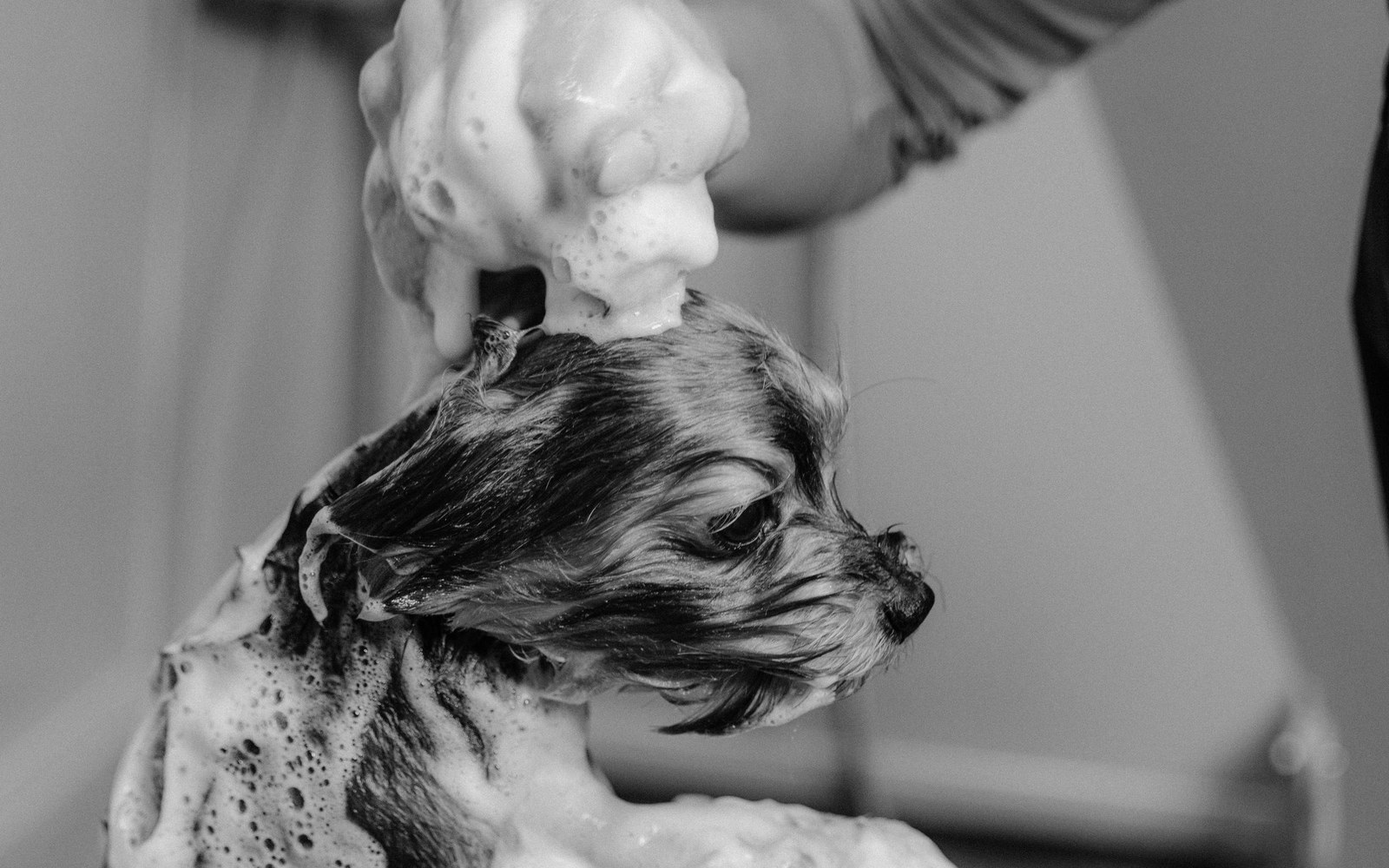
Most dogs do well with a bath every 4 to 6 weeks, and that rhythm is a good starting point for almost every household. A muddy trail dog, a beach-loving Labrador, or a dog who rolls in something questionable at the dog park may need one sooner, while a mostly indoor dog with a healthy, odor-free coat can often go a little longer. Let your eyes, nose, and hands be the real guide rather than a strict calendar date.
Why Bathing Too Often Backfires
Your dog's skin produces natural oils that keep the coat shiny and the skin barrier comfortable. Bath too frequently, especially with harsh products, and those oils get stripped away. The result is often the opposite of what you wanted: dry, flaky skin, more itching, and a coat that looks dull a day after bath day. Bath too rarely and dirt, loose hair, and odor build up, and minor skin irritation can hide under a grimy coat.
Coat type matters, too. Double-coated breeds like Golden Retrievers and German Shepherds hold onto dirt differently than curly-coated Poodles or Doodles, whose hair traps debris close to the skin. Dogs with skin folds, like Bulldogs and Pugs, may not need a full bath as often, but those folds need regular gentle cleaning and thorough drying between baths. Puppies and senior dogs also deserve a gentler schedule and extra warmth, since both chill more easily.
A Simple Way to Decide It's Time
Ask three quick questions. Does your dog smell like a dog in a way that lingers on your hands after petting? Is the coat visibly dirty, dusty, or greasy to the touch? Has your dog been swimming, hiking through mud, or playing somewhere dusty in the last few days? If you answered yes to one or more, it is probably bath time. If the coat is clean, soft, and neutral-smelling, waiting another week is usually fine.
Between full baths, you have options that stretch the interval comfortably. A thorough brush-out removes loose hair and surface dirt. A damp cloth wiped over paws, belly, and rear after walks keeps the worst of the outdoors outside. Dog-safe waterless foam can freshen a specific smelly spot without a full soak and scrub.
Make Bath Day Easier for Everyone
Brush before the bath, not after, so you are not washing tangles tighter. Use lukewarm water, a dog-specific shampoo, and a non-slip mat if your tub is slick. Keep water and suds away from inside the ears, rinse far longer than you think you need to — leftover shampoo is a top cause of post-bath itching — and dry thoroughly, especially thick double coats and skin folds. Pair the whole routine with treats and calm praise, and most dogs learn to tolerate, even enjoy, the ritual.
If your dog has persistent odor even right after a bath, ongoing itching, redness, bumps, or hair loss, do not just bathe more often. Those are reasons to check in with your veterinarian, who can tell whether something beyond dirt is going on with the skin.
When the Bath Interval Is Not Obvious
The 4-to-6-week rhythm answers the general question, but real dogs keep raising specific ones. Does a double coat that still smells clean at week five buy another week? Should a puppy's early baths come closer together? Does a week of rain and mud move the next bath up, or does a plain rinse cover it? Those are exactly the follow-up questions worth putting to Kimmy, the built-in AI assistant on KinsLe, as they come up, and working through how the interval should shift for this dog rather than dogs in general. Kimmy on KinsLe fields follow-up questions about how coat type, skin dryness, or a muddy week should shift your dog's bath interval, with replies drawn from the KinsLe Answers library.